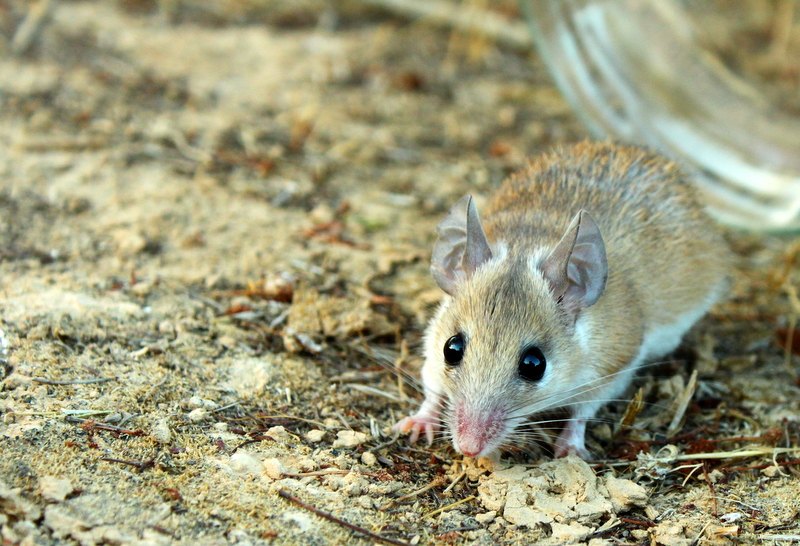
The spiny mouse is a social, desert-dwelling rodent with stiff guard hairs and a remarkable ability to regenerate skin. Kept in same-sex groups, it is a longer-lived, more interactive alternative to common mice but needs dry housing and gentle handling because its tail and skin tear easily.
ℹ️
Educational only. KinStation content is reviewed by licensed veterinarians but cannot replace an in-person exam. Always consult a licensed veterinarian or board-certified specialist for diagnosis, treatment, or any decision affecting your pet's health.
🩺 Need expert help with your spiny mouse?
Connect with a specialist near you or ask a licensed vet — never substitute online guidance for hands-on care in an emergency.
Small mouse: body 9-13 cm plus a 5-12 cm fragile tail; 30-90 g
Lifespan
3–7 years
Social needs
group
Native region
North Africa and the Middle East
Origin
Old World
Climate
🏜️ Arid
Family
Muridae
Genus
Acomys
Part of the Exotic Rodents
Small pet rodents kept for their charm and easy footprint, including hamsters, gerbils, and other little caged mammals. Most need species-appropriate enclosure size, deep bedding for burrowing, a correctly sized solid wheel, and an exotics-savvy vet; social needs vary sharply by species, so research whether a given animal should be kept alone or in groups.
From the minimum an animal needs to be kept humanely, up to the ideal setup. Bigger is almost always better — minimums are floors, not targets.
Photo coming soon
Minimum
Group vivarium
80 × 40 × 40 cm for a small group
Spiny mice are social desert/savanna rodents kept in same-sex groups. Need a secure glass or solid-sided enclosure (mesh chews their delicate skin) with deep dry substrate and hides.
Photo coming soon
Recommended
Larger arid setup
100 × 50 × 50 cm with sand zones
Larger enclosure with a sand/soil mix substrate, rock pile hides, a sand bath, branches, and a quiet wheel. Avoid handling by the tail — their skin and tail tear easily.
Photo coming soon
Ideal
Bioactive arid setup
120 cm+ semi-arid bioactive
Large bioactive enclosure with rock structures, hardy arid plants, and varied substrate depth for a stable group. Spiny mice are diurnal — front-opening glass keeps viewing low-stress.
Life & growth stages
How this animal changes through its life — each stage often has its own care, diet and space needs.
Photo coming soon
Newborn
Newborn mammals are nursed on their mother's milk. Many are born helpless — blind, deaf, and sparsely furred (altricial, as in dogs, cats, and rodents) — while others stand and follow within hours (precocial, as in hoofed livestock).
Photo coming soon
Juvenile
After weaning, juveniles grow quickly and become increasingly active, playful, and independent. Adult coat, proportions, and (in many species) the permanent teeth come in as they approach full size.
Photo coming soon
Adult
Adults reach full body size and sexual maturity, with the species' mature coat and build. Sexual dimorphism — differences in size, mane, horns, or markings — is pronounced in some mammals and subtle in others.
Senior
Senior animals show aging signs such as graying fur, reduced activity, and a greater need for veterinary monitoring of joints, teeth, and organ function. Lifespan and the onset of old age vary widely by species and size.
Habitat & enclosure
Spiny mice are social and active, so house them in same-sex groups in a tall, well-ventilated enclosure — a large glass tank with a secure mesh lid or a small-bar cage — with deep substrate for burrowing, climbing branches, hides, and a solid exercise wheel. They are arid-adapted, so prioritize dryness and good ventilation over humidity. Provide multiple hides to reduce conflict in groups.
Substrate
Dry, absorbent bedding such as aspen or paper-based substrate, deep enough for light burrowing, with shredded paper or hay in nest areas. Provide a sand bath for grooming. Avoid cedar and pine shavings and keep bedding dry.
Equipment & setup
Well-ventilated escape-proof enclosure with secure lid, solid-surface exercise wheel, multiple hides and nest boxes, climbing branches, sand bath, cuttlebone/mineral block, water bottle or dish, and insect-feeding supplies. Group housing furniture (extra hides/feeders) to minimize squabbling.
Diet
Feed a varied diet based on a quality rodent/mouse mix of seeds and grains, plus small amounts of fresh vegetables and occasional fruit, and insects (mealworms, crickets) for protein. As desert animals they handle dry diets well and need little water, though fresh water should be available. Avoid sugary, fatty foods and excessive moist produce. A cuttlebone or mineral block supports teeth.
Behavior & temperament
Diurnal-to-crepuscular and highly social, spiny mice live in groups, allogroom, and even show communal care of young. They are inquisitive and can become hand-tame with gentle, regular handling, more interactive than typical fancy mice. Crucially, their skin and tail are extremely fragile — the tail skin sloughs easily and tails can be lost — so never restrain by the tail. They are agile climbers and jumpers.
Health
Hardy and notably long-lived for a mouse (3-7 years), they are famous in research for regenerating skin and healing wounds with little scarring. Main concerns are injury from rough handling (degloved tails), obesity, and respiratory issues in damp or poorly ventilated housing. Keep dry and well-ventilated. An exotics vet handles serious issues; minor skin wounds often heal remarkably well.
Tips, DIY & hacks
Keep them in same-sex groups — they are social and lonely when solo. Never pick them up by the tail; scoop with cupped hands to avoid degloving injuries. Provide a dry, well-ventilated, desert-style setup and a solid wheel. Spiny mice tame nicely with daily gentle handling and are a rewarding, long-lived step up from common mice.