KinStation
Sign inSign up

Explore

What's trending across KinStation — popular and brand-new species, fresh color & pattern morphs, and the liveliest conversations in the community.

Educational only. KinStation content is reviewed by licensed veterinarians but cannot replace an in-person exam. Always consult a licensed veterinarian or board-certified specialist for diagnosis, treatment, or any decision affecting your pet's health.

🔥 Trending species 12

Zoanthids

Zoanthids

Zoanthus sp.

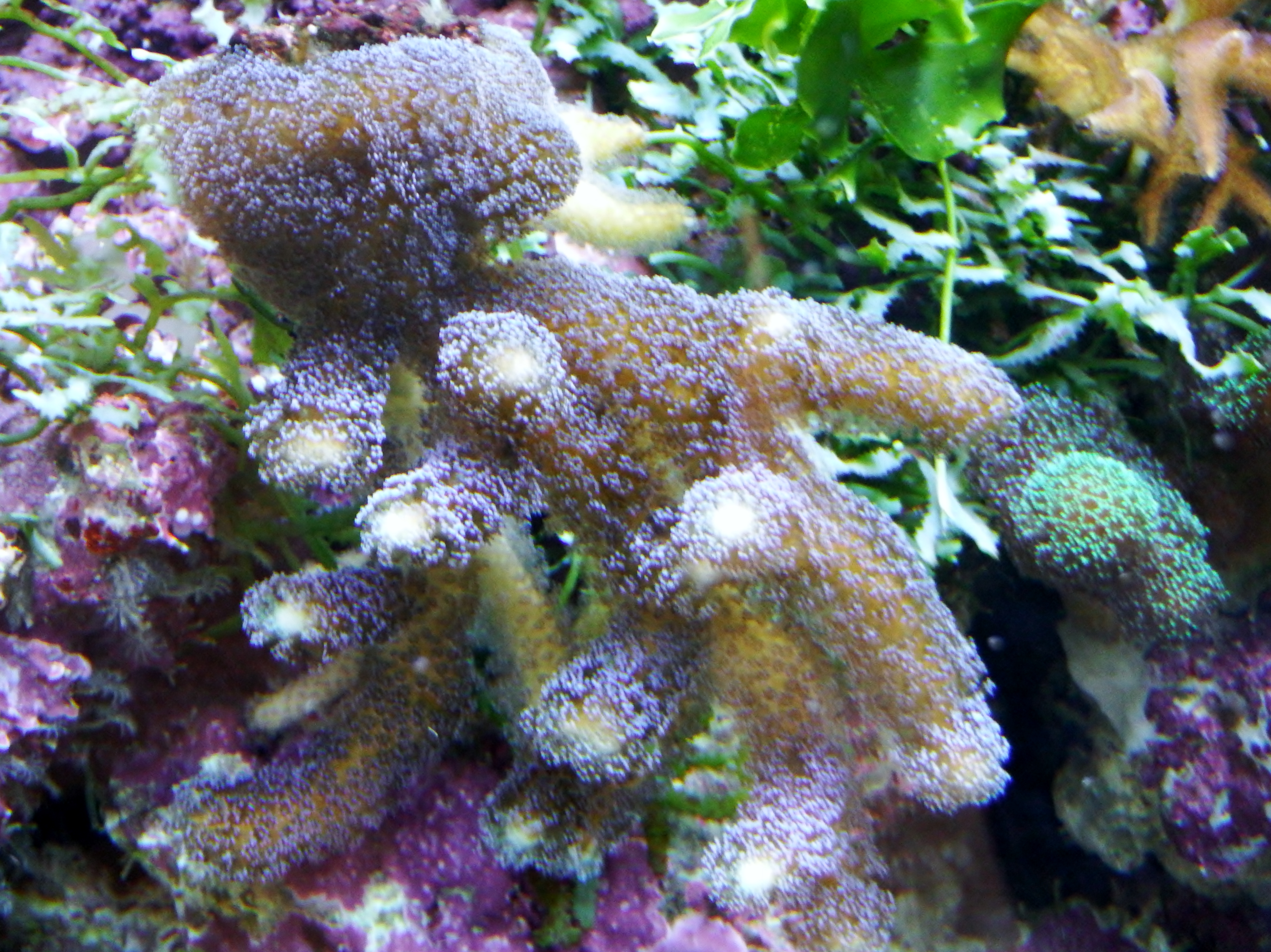
Zoanthids are colonial soft-bodied polyps prized for an almost unlimited range of fluorescent color morphs, making them one of the most popular beginner reef corals. They are hardy and fast-spreading, but their flesh contains palytoxin, a potent toxin demanding careful handling.

American Hairless Terrier

American Hairless Terrier

Canis lupus familiaris

A lively, curious terrier derived from the Rat Terrier, occurring in both hairless and coated varieties. The lack of coat makes it a notable option for some allergy sufferers, but bare skin needs sun and cold protection.

American Foxhound

American Foxhound

Canis lupus familiaris

A lean, leggy American scenthound bred for stamina in fox hunting, with a melodious voice and easygoing temperament. One of the most exercise-hungry and least common AKC breeds, best suited to very active rural homes.

Birman

Birman

Felis catus

A gentle, semi-longhaired pointed cat distinguished by deep blue eyes and pure white 'gloves' on all four feet. Known for being calm, affectionate, and people-oriented.

Balinese

Balinese

Felis catus

Essentially a long-haired Siamese — a naturally occurring long-coat mutation in Siamese litters, refined in the US. Slender, vocal, intensely social and intelligent, with a flowing single coat and plumed tail.

Akita

Akita

Canis lupus familiaris

A powerful, dignified spitz-type guardian from Japan, famed for loyalty (the Hachiko legend). Independent, reserved and protective, the Akita needs an experienced owner committed to socialization and training.

Airedale Terrier

Airedale Terrier

Canis lupus familiaris

The largest of the terriers, nicknamed the 'King of Terriers,' a versatile, athletic working dog with a dense wiry coat. Bold, clever and energetic, the Airedale excels as a companion, watchdog and all-around sporting dog.

Burmilla

Burmilla

Felis catus

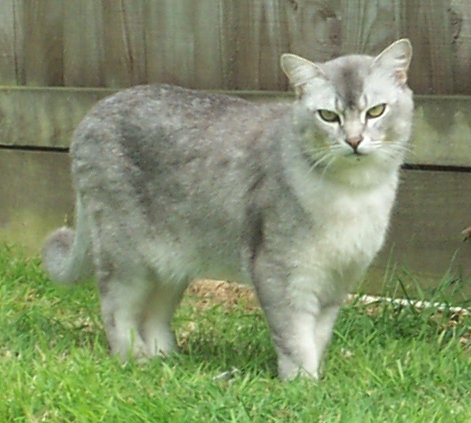
An accidental but charming cross of Burmese and Chinchilla Persian, known for its sparkling silver-shaded coat, dark eye 'makeup,' and a playful yet affectionate, easygoing nature.

Bambino

Bambino

Felis catus

A new and controversial breed crossing the hairless Sphynx with the short-legged Munchkin, producing a hairless, dwarf cat. Affectionate and striking, but its two defining traits both carry significant welfare concerns.

Australian Cattle Dog

Australian Cattle Dog

Canis lupus familiaris

A tough, tireless herding breed developed to drove cattle over harsh Australian terrain by nipping at their heels. Exceptionally intelligent, energetic, and devoted, it demands serious physical and mental work.

American Bobtail

American Bobtail

Felis catus

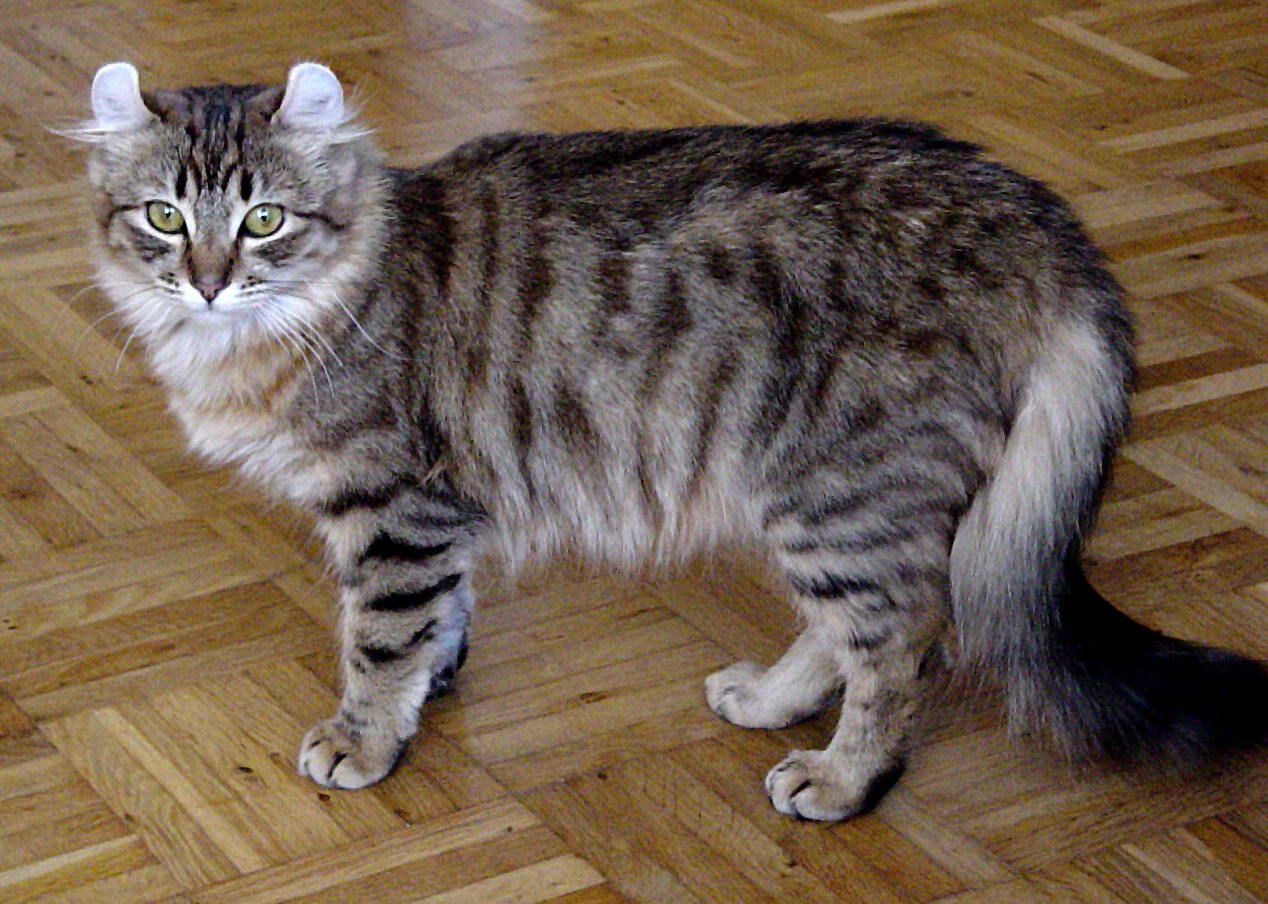
A naturally bob-tailed, sturdy cat with a wild, lynx-like look and an easygoing, dog-like temperament. The short tail arises from a dominant natural mutation, not a cross with wild cats.

Alaskan Malamute

Alaskan Malamute

Canis lupus familiaris

A powerful arctic sled dog built for hauling heavy freight over long distances. Strong, affectionate and pack-oriented, the Malamute is friendly but demanding in exercise, grooming and training.

🆕 Newest entries 12

Tiger Tail Sea Cucumber

Holothuria hilla

A long, mottled-brown detritivore and one of the most popular reef sand-cleaners — it works the substrate and rock, picking up sand and detritus with sticky oral tentacles, digesting the bacteria, algae and organic particles, and voiding clean sand. It is excellent natural sand-bed maintenance, but carries the classic sea-cucumber risk: if it dies or is shredded by a pump, it can release toxins that wipe out the tank (a 'cuke nuke').

Porcelain Crab

Neopetrolisthes maculatus

A small, charming crab that lives among the tentacles of host anemones much like a clownfish, sweeping the water for food with feathery, fan-like mouthparts. Reef-safe and peaceful, it is kept for its looks and behavior rather than as nuisance-algae crew: it is a FILTER FEEDER of plankton and suspended detritus, not a grazer, so it doesn't control algae and needs a fed, plankton-rich tank to thrive.

Mexican Red-Leg Hermit Crab

Clibanarius digueti

A small, peaceful hermit crab from the Gulf of California with rusty-red legs, sold as an inexpensive, hard-working algae-and-detritus scavenger. It grazes hair algae, leftover food and some cyanobacteria across rock and sand, and is calmer and less snail-aggressive than many hermits — though, like all hermits, it still appreciates spare shells.

Halloween Hermit Crab

Ciliopagurus strigatus

A showy, larger hermit crab in vivid Halloween orange-and-white banded legs, popular as both a colorful display invert and a hair-algae-eating scavenger. It cleans hair algae and mops up leftover food and detritus, but its size makes it more disruptive than dwarf hermits — it can topple frags and, when shells are scarce, kill snails for an upgrade.

Margarita Snail

Margarites pupillus

A small, eager algae grazer often sold as cheap cleanup crew — but with a major catch most buyers miss: the true Margarites is a COLD-WATER, temperate North Pacific snail, not a tropical reef animal. It grazes film and hair algae well, yet kept at reef temperatures it is chronically stressed and short-lived, which is why it has a reputation for 'mysteriously' dying off. Best understood as a temperate-tank snail mis-sold for tropical reefs.

Marine Nerite Snail

Nerita tessellata

The saltwater (marine) nerite — a small, rounded intertidal snail and one of the most effective algae cleaners for glass and rock, eating diatoms, cyanobacteria, film and hair algae alike. Distinct from the popular freshwater Neritina nerite, this is the Caribbean 'checkered' Nerita tessellata. Like all nerites it grazes tirelessly and, in a normal reef, will not breed out of control.

Trochus Snail

Trochus maculatus

A hardy, top-shaped Indo-Pacific grazer widely regarded as one of the best reef cleanup snails — it eats diatoms, cyanobacteria, film and hair algae off glass and rock, and, unlike the flat-shelled astraea, can usually right itself if it falls. It also breeds readily enough in mature reefs to sometimes reproduce in the tank, a bonus for keepers.

Astraea Snail

Lithopoma tectum

A classic reef glass-and-rock grazer with a distinctive low, star-edged conical shell — the 'astrea' or West Indian star snail. It is one of the best snails for film and hair algae on glass and live rock, but its near-flat shell makes it notoriously bad at righting itself if it falls onto the sand, where it can die stranded on its back.

Cerith Snail

Cerithium atratum

One of the most useful all-round cleanup snails in the reef hobby — a small, slender, pointed-shell gastropod (the trade's 'Florida cerith') that works both the sand bed and hard surfaces. It eats diatoms, film and hair algae, cyanobacteria and detritus on the substrate, rock and glass, and burrows through the top layer of sand to keep it stirred. Cheap, hardy and best bought in groups.

Malawa Shrimp

Caridina pareparensis parvidentata

A small, bold, translucent-amber dwarf shrimp from Sulawesi that — unlike the famous Sulawesi cardinal/lake shrimp — comes from flowing rivers and springs, not the hot, hard, alkaline crater lakes. That riverine origin makes it one of the hardiest and most beginner-friendly Caridina available, tolerating ordinary freshwater parameters and breeding readily without brackish larvae.

Red Nose Shrimp

Caridina gracilirostris

An eye-catching, nearly transparent dwarf shrimp distinguished by a long, upturned red 'horn' (rostrum) that gives it its rhino and red-nose names. Peaceful, active and a tireless grazer, it tolerates fresh water in the display but is naturally a brackish-water species whose larvae need brackish conditions to develop — so it does not breed easily in a standard freshwater tank.

Babaulti Shrimp

Caridina cf. babaulti

The babaulti is a slender, color-shifting Indian dwarf shrimp best known for its green form, the 'green neon' or 'green babaulti.' Hardy and prolific once established, it can change shade with mood, diet and surroundings, and unlike many Caridina its young develop directly in freshwater with no brackish-larval stage — making it far easier to breed than crystal or tiger shrimp.

✨ Fresh morphs 12

Armor of God (AOG)

Armor of God (AOG)

Zoanthids

Wildflower

Wildflower

Zoanthids

Bob Marley

Bob Marley

Zoanthids

Lunar Eclipse

Lunar Eclipse

Zoanthids

Pink Diamonds

Pink Diamonds

Zoanthids

Goblins on Fire

Goblins on Fire

Zoanthids

My Clementine

My Clementine

Zoanthids

King Midas

King Midas

Zoanthids

Daisy Duke

Daisy Duke

Zoanthids

Bam Bam

Bam Bam

Zoanthids

Whammin Watermelon

Whammin Watermelon

Zoanthids

Grand Master Krakatoa (GMK)

Grand Master Krakatoa (GMK)

Zoanthids

💬 Hot in the community 8

📌 Welcome to Reef Keeping — start here

0 replieslast activity 6d ago

📌 Welcome to Corals — start here

0 replieslast activity 6d ago

📌 Welcome to Saltwater Fish — start here

0 replieslast activity 6d ago

📌 Welcome to Anemones & Inverts — start here

0 replieslast activity 6d ago

📌 Welcome to Equipment & DIY — start here

0 replieslast activity 6d ago

📌 Welcome to Freshwater — start here

0 replieslast activity 6d ago

📌 Welcome to Cichlids — start here

0 replieslast activity 6d ago

📌 Welcome to Planted Tanks — start here

0 replieslast activity 6d ago