KinStation
Sign inSign up
🐾 Animals🪴 Plants

Plants

142 entries — common to exotic houseplants. Care guides, problem→solution, and pet-toxicity flags. Browse by category or search by name.

Educational only. KinStation content is reviewed by licensed veterinarians but cannot replace an in-person exam. Always consult a licensed veterinarian or board-certified specialist for diagnosis, treatment, or any decision affecting your pet's health.
Sort:

25

Leafy houseplants — pothos, monstera, snake plant
Show1–24 of 25
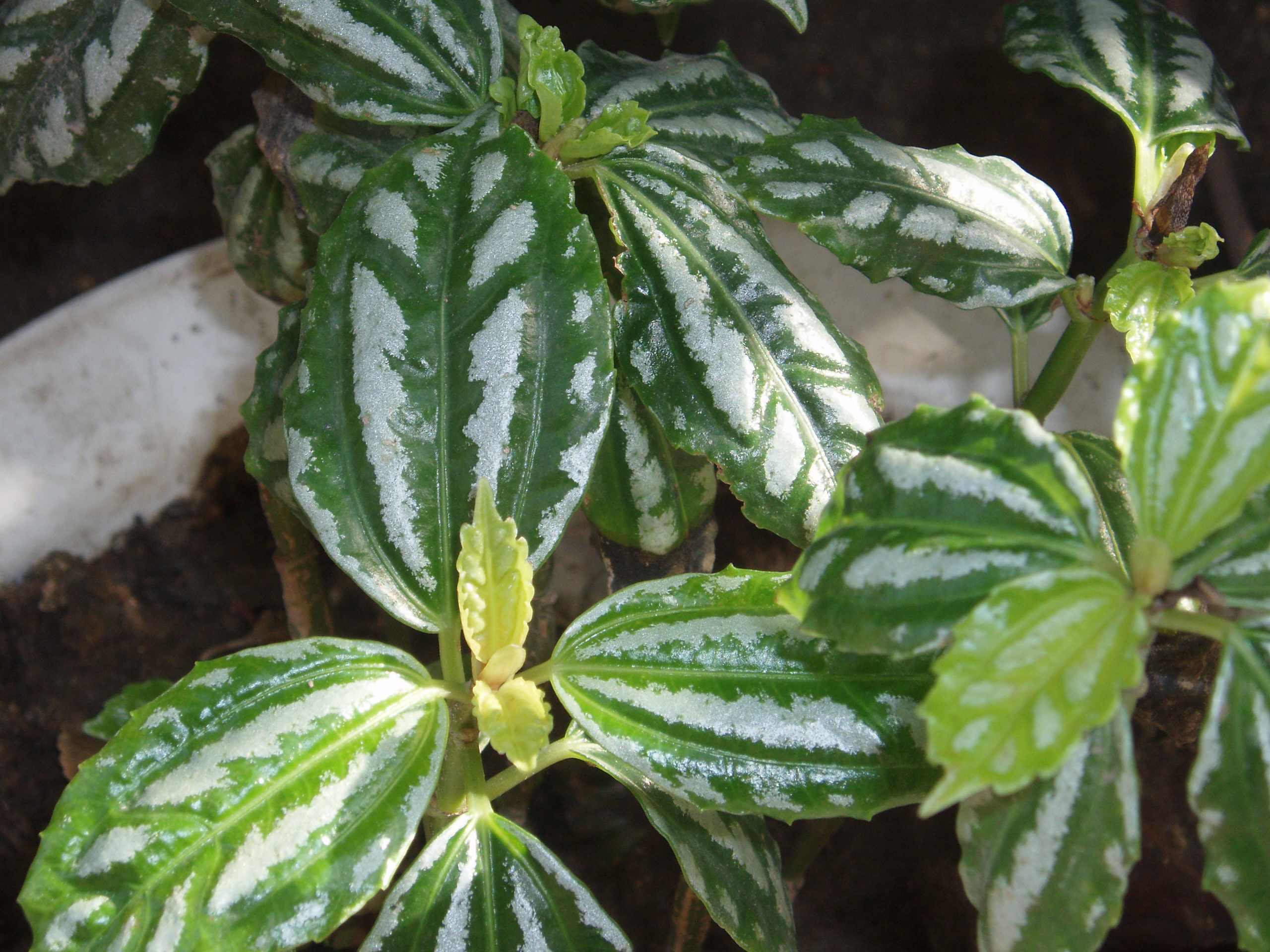
Aluminum Plant
Beginner🐾 Pet-safe

Aluminum Plant

Pilea cadierei

A neat, bushy foliage plant whose quilted green leaves are splashed with raised, metallic silver patches that look like brushed aluminum. Compact and easygoing, it stays tidy with occasional pinching and is a pet-safe pick for a bright shelf or windowsill.

Arrowhead Plant
Beginner⚠ Toxic to pets

Arrowhead Plant

Syngonium podophyllum

A versatile, fast-growing aroid whose leaves change shape as it matures, from arrowhead-shaped in youth to deeply lobed when climbing. Available in green, white, and pink-tinged cultivars, it works as a bushy tabletop plant, a trailer, or a climber.

Baby Rubber Plant (Peperomia)
Beginner🐾 Pet-safe

Baby Rubber Plant (Peperomia)

Peperomia obtusifolia

A compact, easygoing houseplant with thick, glossy, spoon-shaped leaves on upright stems, available in solid green and creamy variegated forms. Its semi-succulent leaves store water, making it forgiving of occasional neglect and ideal for small spaces and pet households.

Calathea Orbifolia
Advanced🐾 Pet-safe

Calathea Orbifolia

Goeppertia orbifolia
A statement foliage plant grown for its large, rounded leaves striped in alternating silvery-green and deeper green bands. Like other marantas it gently raises and lowers its leaves with the day, and it demands steady humidity and clean water to look its best.

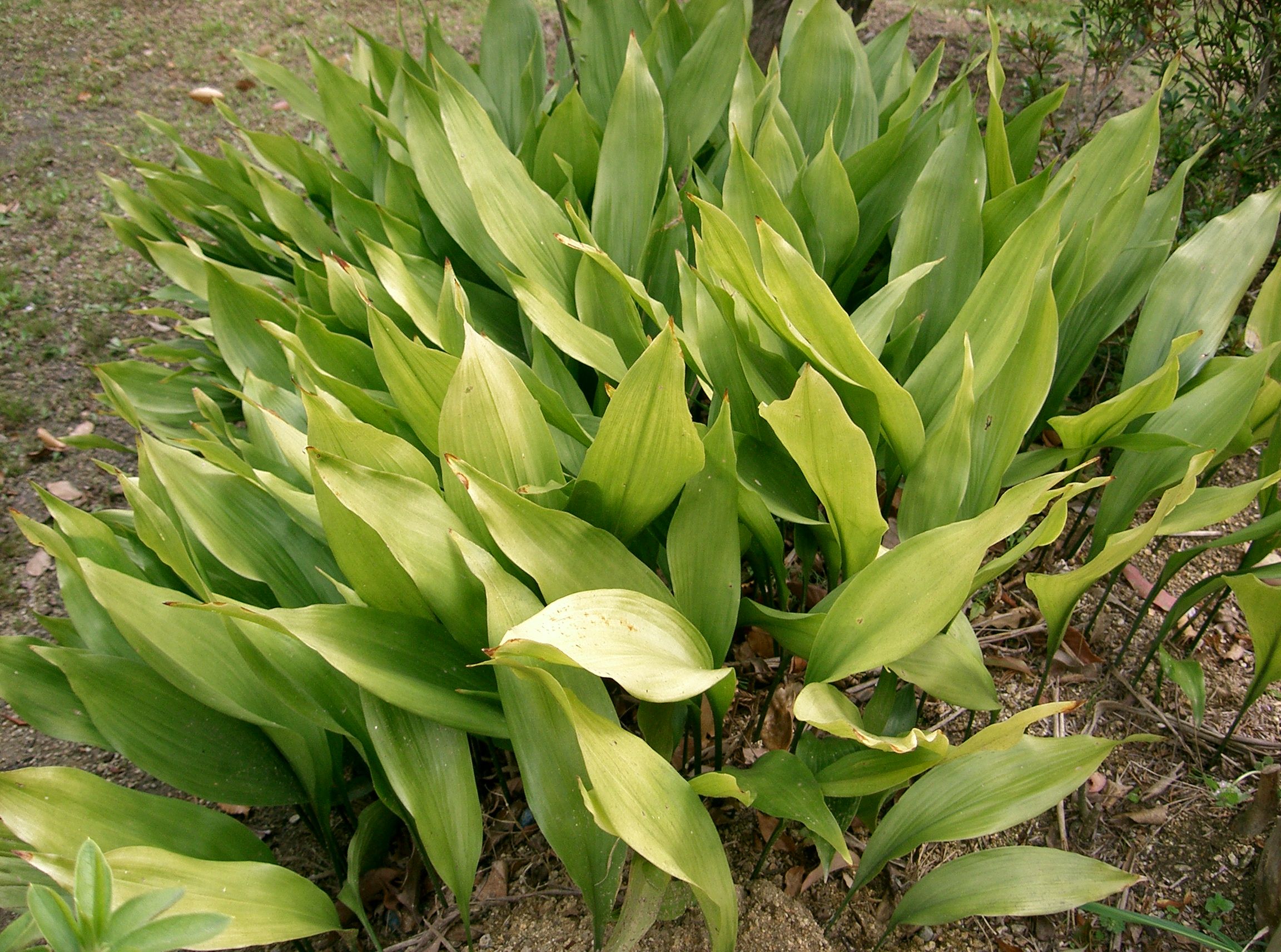
Cast Iron Plant
Beginner🐾 Pet-safe

Cast Iron Plant

Aspidistra elatior

True to its name, the cast iron plant is nearly indestructible, with broad, glossy, dark-green leaves that thrive in deep shade and tolerate neglect, dust, and irregular care. Slow-growing and undemanding, it is also safely pet-friendly.

Chinese Evergreen
Beginner⚠ Toxic to pets

Chinese Evergreen

Aglaonema commutatum

A handsome, low-light-tolerant aroid grown for its patterned leaves, which range from silvery-green to striking pinks and reds in modern cultivars. Compact and undemanding, it is a long-favored plant for offices and shady rooms.

Chinese Money Plant
Beginner🐾 Pet-safe

Chinese Money Plant

Pilea peperomioides
A charming, easy houseplant with round, coin-shaped leaves held aloft on slender stalks like little green pancakes. It readily produces offsets ('pups') around its base, which is why it earned the name 'friendship plant' — keepers love sharing the babies.

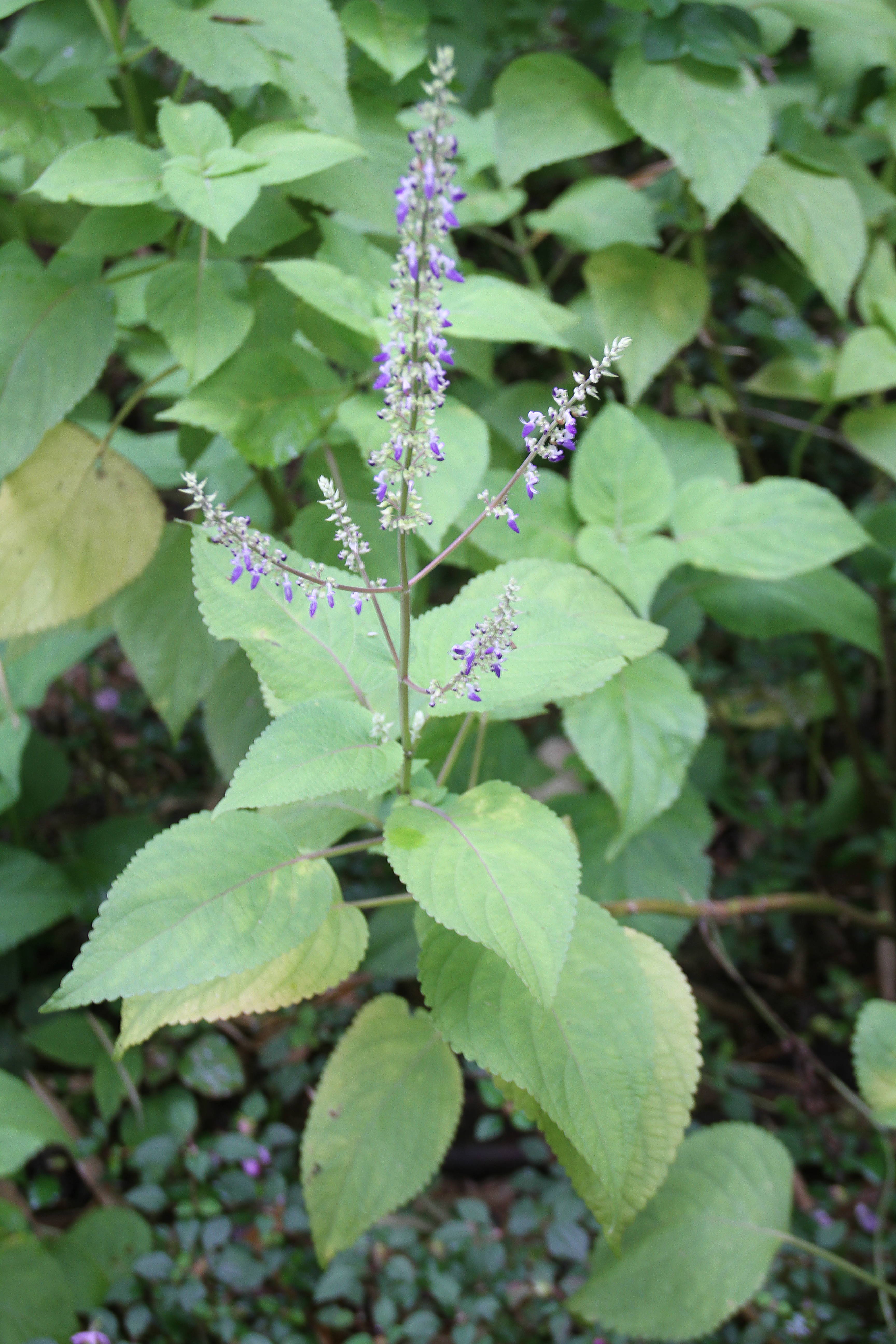
Coleus
Beginner⚠ Mildly toxic

Coleus

Coleus scutellarioides

Grown almost entirely for its electric foliage — leaves in clashing combinations of lime, burgundy, pink, orange, and near-black, often edged or veined in contrasting color. A member of the mint family, it is fast, easy, and endlessly variable, but its sap is mildly toxic to pets.

Croton
Intermediate⚠ Toxic to pets

Croton

Codiaeum variegatum

A bold tropical shrub grown for leathery leaves splashed in green, yellow, orange, red, and near-black, often on the same plant. It needs bright light to keep those fiery colors and resents being moved, dropping leaves when conditions change abruptly.

Dumb Cane
Beginner⚠ Toxic to pets

Dumb Cane

Dieffenbachia seguine

A bold tropical aroid grown for its large, paddle-shaped leaves splashed and speckled in cream and green. Easy and fast-growing, it makes a dramatic statement, but its sap is notably irritating — the source of the unsettling name 'dumb cane.'

English Ivy
Beginner⚠ Toxic to pets

English Ivy

Hedera helix

A vigorous trailing and climbing evergreen vine with lobed leaves, popular for hanging baskets, topiaries, and as a cascading shelf plant. Tough and fast-growing indoors, it is genuinely invasive outdoors in many regions and is toxic to pets, so it warrants a careful placement.

Fiddle Leaf Fig
Intermediate⚠ Mildly toxic

Fiddle Leaf Fig

Ficus lyrata

A dramatic, designer-favorite tree with huge, violin-shaped, glossy leaves held on an upright trunk. Beautiful but famously fussy, it rewards stable, bright conditions and punishes neglect or sudden change with dropped leaves.

Golden Pothos
Beginner⚠ Toxic to pets

Golden Pothos

Epipremnum aureum

Among the most forgiving of all houseplants, golden pothos is a trailing aroid with glossy, heart-shaped leaves marbled in gold. It tolerates neglect and low light, earning the nickname 'devil's ivy' for being nearly impossible to kill.

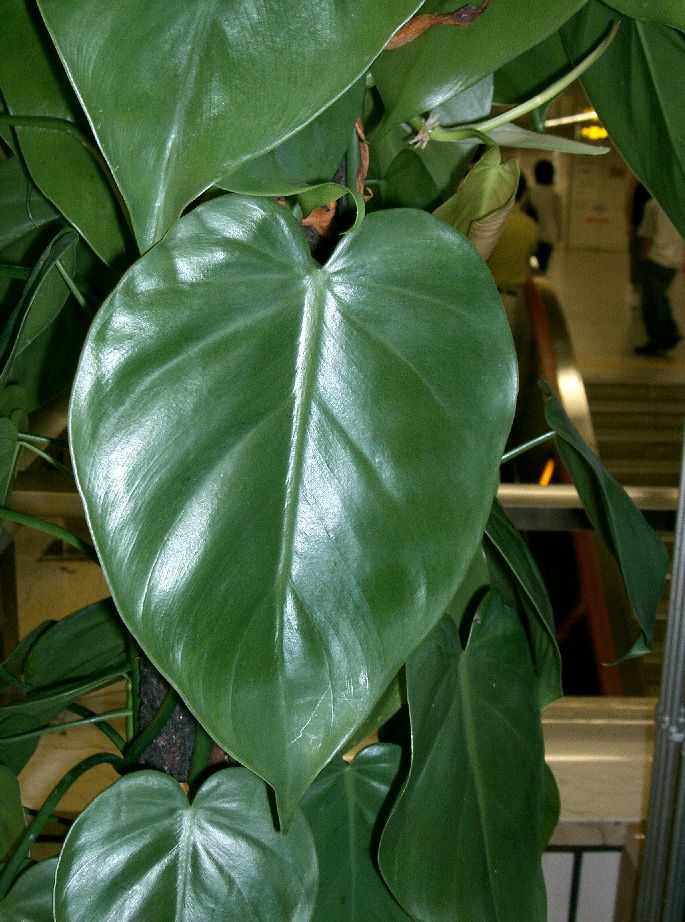
Heartleaf Philodendron
Beginner⚠ Toxic to pets

Heartleaf Philodendron

Philodendron hederaceum

A classic trailing aroid with soft, glossy, heart-shaped leaves on slender vines. Tolerant of low light and easy to grow, it is one of the most popular and forgiving hanging or climbing houseplants, often confused with pothos.

Inch Plant
Beginner⚠ Mildly toxic

Inch Plant

Tradescantia zebrina

A fast, trailing plant with striking zebra-striped leaves — silver and green above, rich purple beneath. Nearly foolproof and quick to root from any snippet, it is a favorite for hanging baskets, though its sap can irritate pets and skin, so it rates as mildly toxic.

Madagascar Dragon Tree
Beginner⚠ Toxic to pets

Madagascar Dragon Tree

Dracaena marginata
A striking, slow-growing tree with slender canes topped by spiky rosettes of narrow, arching leaves edged in red. Architectural and drought-tolerant, it is an easy, forgiving floor plant that adds a sculptural accent to any room.

Nerve Plant
Intermediate🐾 Pet-safe

Nerve Plant

Fittonia albivenis

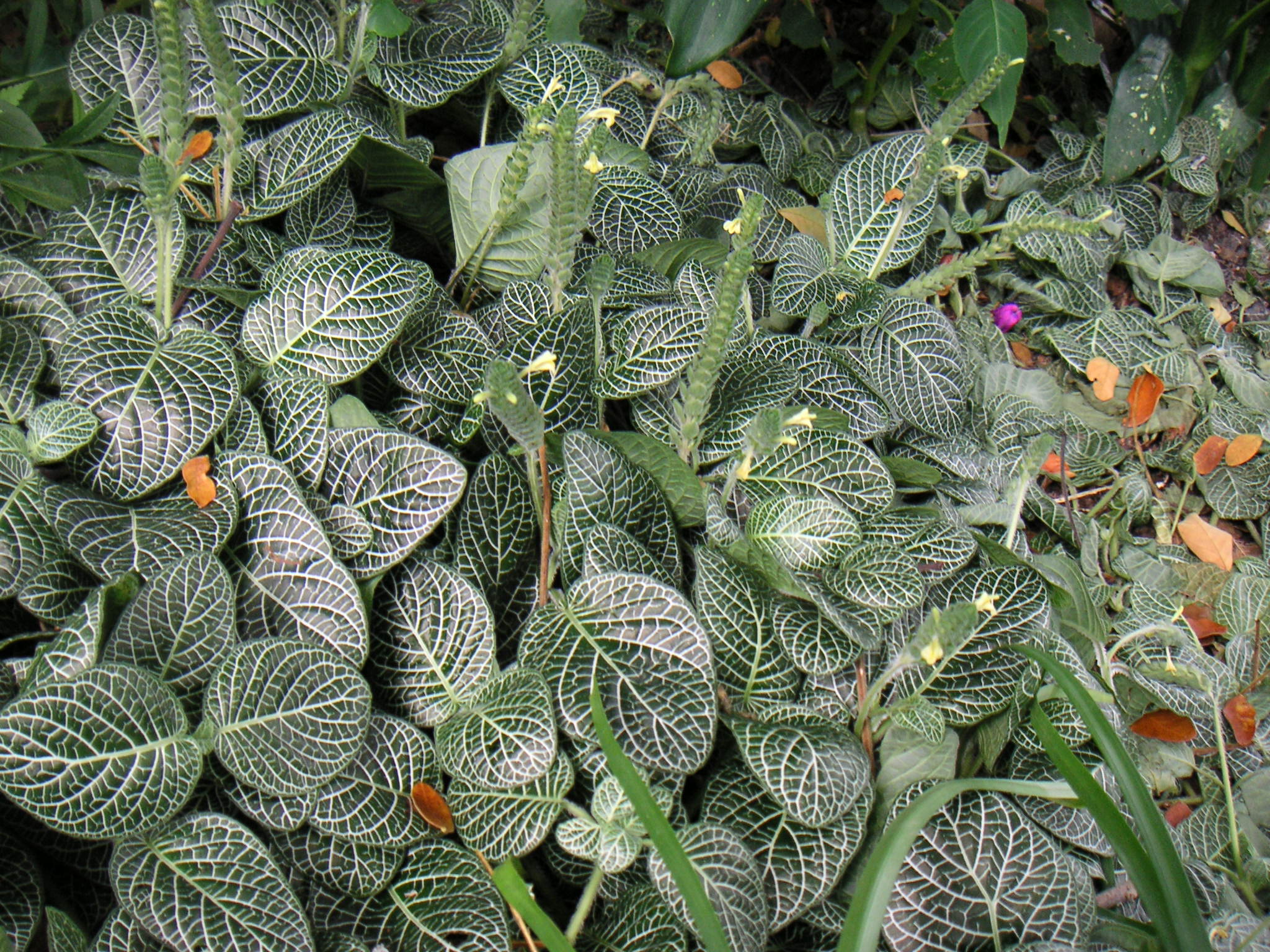
A low, spreading rainforest groundcover prized for olive-green leaves laced with a fine network of white, pink, or red veins. It is famously dramatic — wilting flat when thirsty and reviving within hours of a drink — and rewards steady humidity, making it a classic terrarium plant.

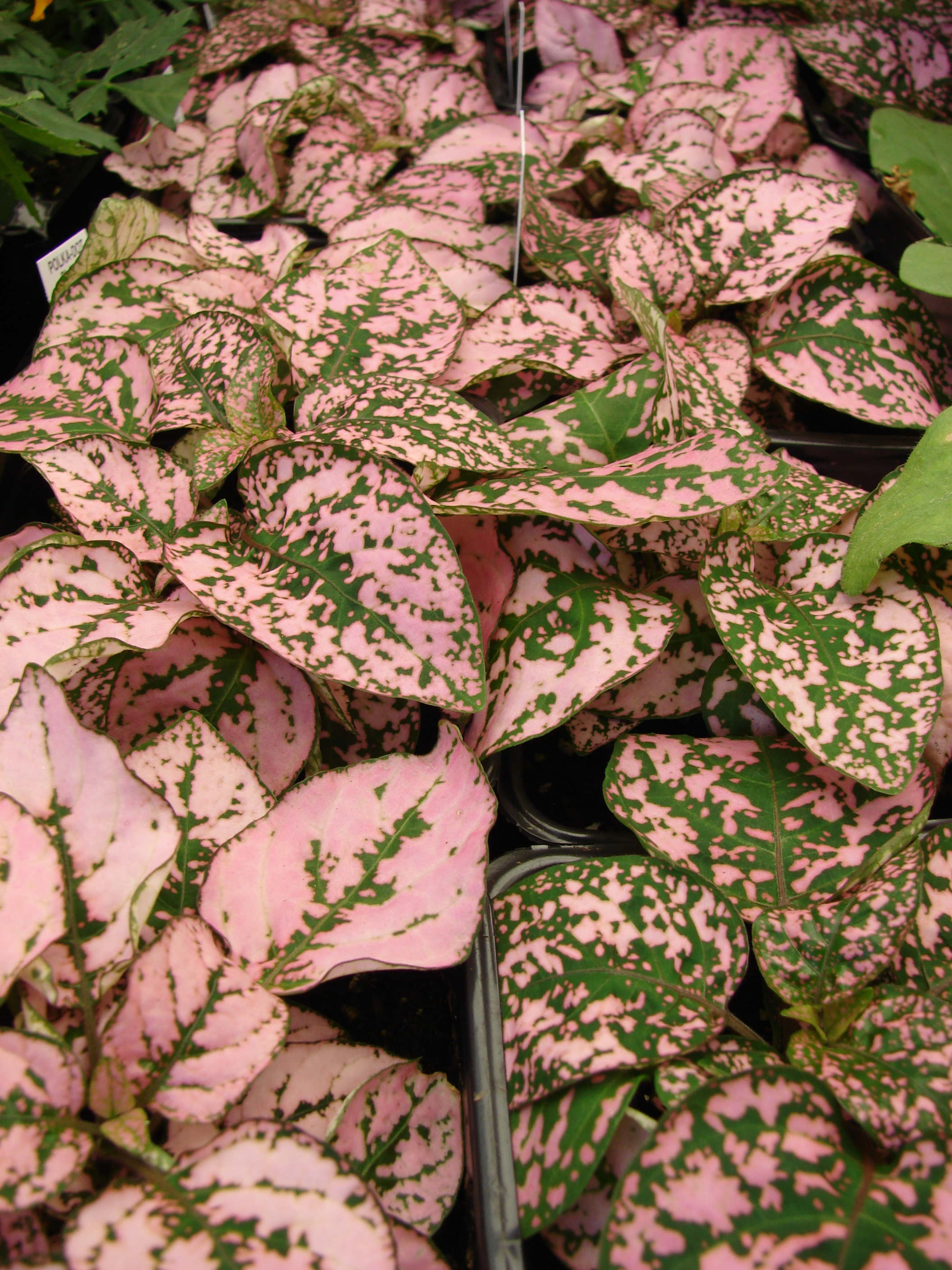
Polka Dot Plant
Beginner🐾 Pet-safe

Polka Dot Plant

Hypoestes phyllostachya
A small, cheerful foliage plant whose green leaves are heavily spattered with pink, white, or red speckles like flung paint. Bright light keeps the spots bold, and regular pinching keeps the otherwise leggy plant compact and colorful.

Prayer Plant
Intermediate🐾 Pet-safe

Prayer Plant

Maranta leuconeura

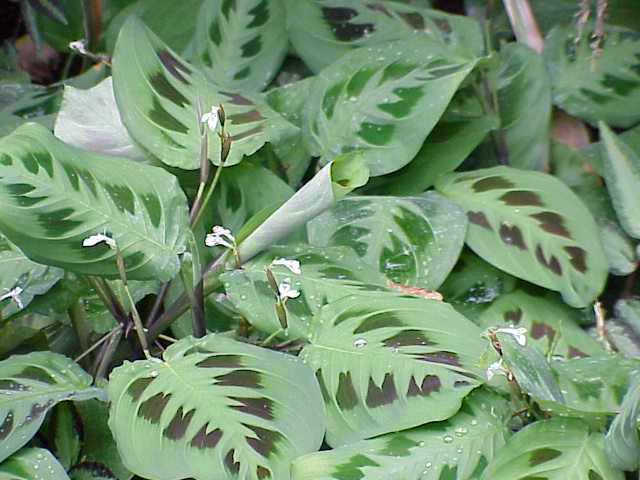
A spreading tropical foliage plant famous for nyctinasty — its boldly patterned leaves fold upward at night like praying hands and open again by day. Varieties show red veins ('Erythroneura') or dark herringbone blotches, all on velvety oval leaves.

Rubber Plant
Beginner⚠ Mildly toxic

Rubber Plant

Ficus elastica

A handsome, upright tree-form houseplant with large, thick, glossy leaves in deep green or burgundy. Tougher and more forgiving than its cousin the fiddle-leaf fig, it makes an easy, striking floor plant.

Snake Plant
Beginner⚠ Toxic to pets

Snake Plant

Dracaena trifasciata

A nearly indestructible succulent-leaved plant with stiff, upright, sword-shaped leaves banded in green and often edged in yellow. It tolerates deep neglect, low light, and irregular watering, making it a top beginner choice.

Spider Plant
Beginner🐾 Pet-safe

Spider Plant

Chlorophytum comosum

A cheerful, fast-growing plant with arching, grass-like leaves (often striped cream-and-green) that sends out cascading runners tipped with baby plantlets. It is famously easy, adaptable, and one of the best pet-safe houseplants.

Swiss Cheese Plant
Beginner⚠ Toxic to pets

Swiss Cheese Plant

Monstera deliciosa

An iconic climbing aroid famous for its enormous glossy leaves that develop dramatic holes and splits (fenestrations) as the plant matures. In the wild it scrambles up rainforest trees and can bear an edible fruit.

Swiss Cheese Vine
Beginner⚠ Toxic to pets

Swiss Cheese Vine

Monstera adansonii

A fast-growing trailing and climbing aroid whose leaves are riddled with oval holes (fenestrations), giving it its 'Swiss cheese' name. Easier and more compact than its giant cousin Monstera deliciosa, it makes a lush hanging basket or climbs a moss pole indoors.

Page 1 of 2

14

Drought-tolerant, water-storing

Show1–14 of 14
African Milk Tree
Beginner⚠ Toxic to pets

African Milk Tree

Euphorbia trigona

A fast-growing, upright succulent euphorbia with three- or four-sided green stems, ridges of paired thorns, and small teardrop leaves, Euphorbia trigona looks like a cactus but is not one. It is an easy, architectural houseplant whose milky sap is a genuine irritant to pets and people.

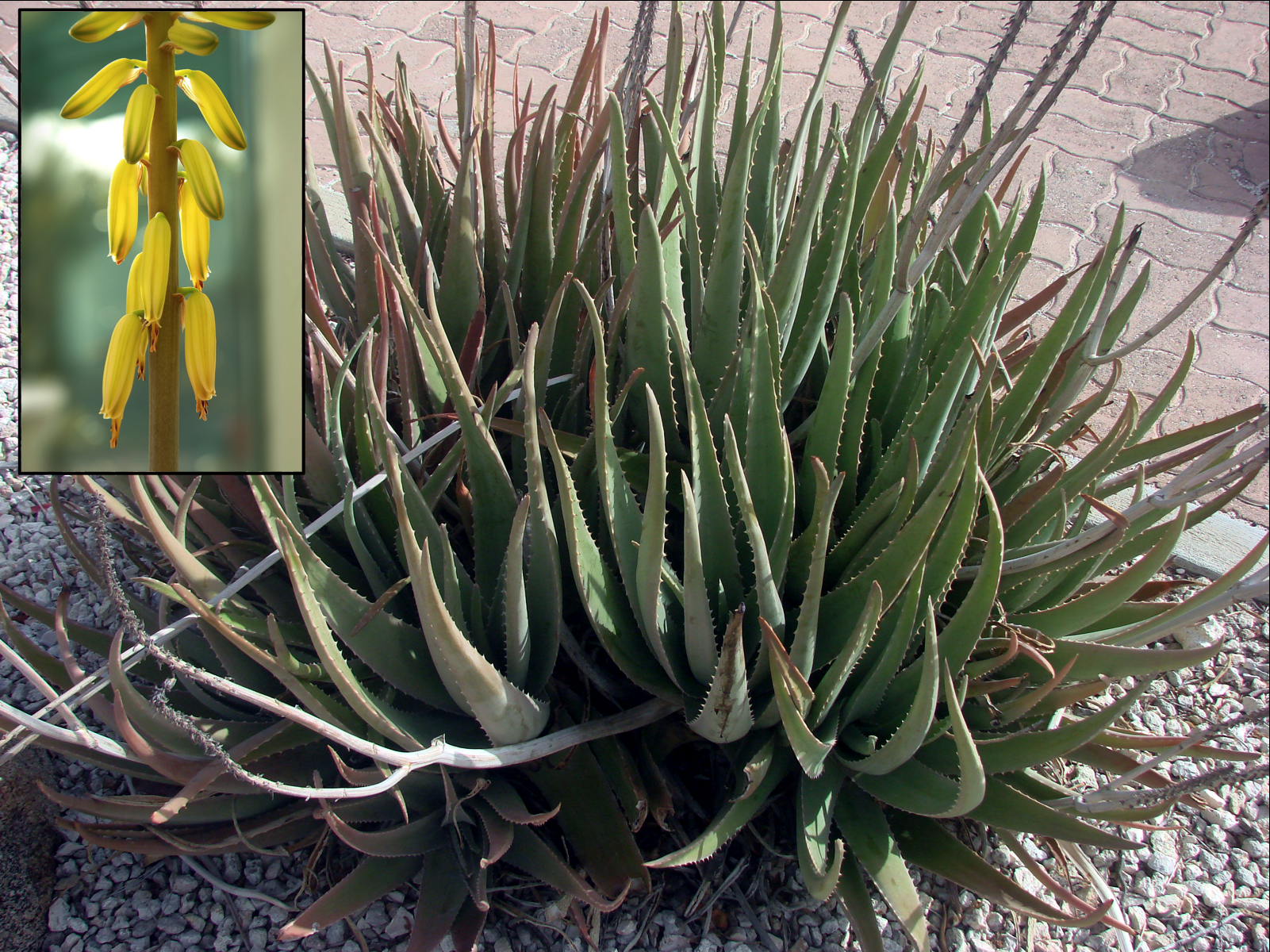
Aloe Vera
Beginner⚠ Toxic to pets

Aloe Vera

Aloe vera

A rosette of thick, gel-filled, toothed leaves, aloe vera is one of the most forgiving succulents and a fixture of sunny windowsills. It thrives on neglect and a gritty, fast-draining pot, and is far more often killed by kindness (overwatering) than by drought.

Bunny Ear Cactus
Beginner🐾 Pet-safe

Bunny Ear Cactus

Opuntia microdasys

A charming desert prickly pear whose flat, oval pads sprout in pairs like rabbit ears, dotted with tufts of tiny barbed bristles (glochids). Opuntia microdasys is an easy, pet-safe sun-lover whose only real hazard is its hair-fine spines, which detach and embed in skin.

Burro's Tail
Intermediate🐾 Pet-safe

Burro's Tail

Sedum morganianum

A trailing succulent whose long stems are packed with plump, overlapping, blue-green leaves like a braided tail, Sedum morganianum is a spectacular hanging-basket plant. It is pet-safe and easy in principle, but its leaves are famously fragile and knock off at the slightest bump.

Christmas Cactus
Beginner🐾 Pet-safe

Christmas Cactus

Schlumbergera bridgesii
Unlike desert cacti, the Christmas cactus is a Brazilian forest epiphyte with flat, segmented stems and showy tubular winter flowers in pink, red, white, or purple. It wants more water and shade than a typical cactus, and its bloom is triggered by long autumn nights and cool temperatures.

Crown of Thorns
Beginner⚠ Toxic to pets

Crown of Thorns

Euphorbia milii

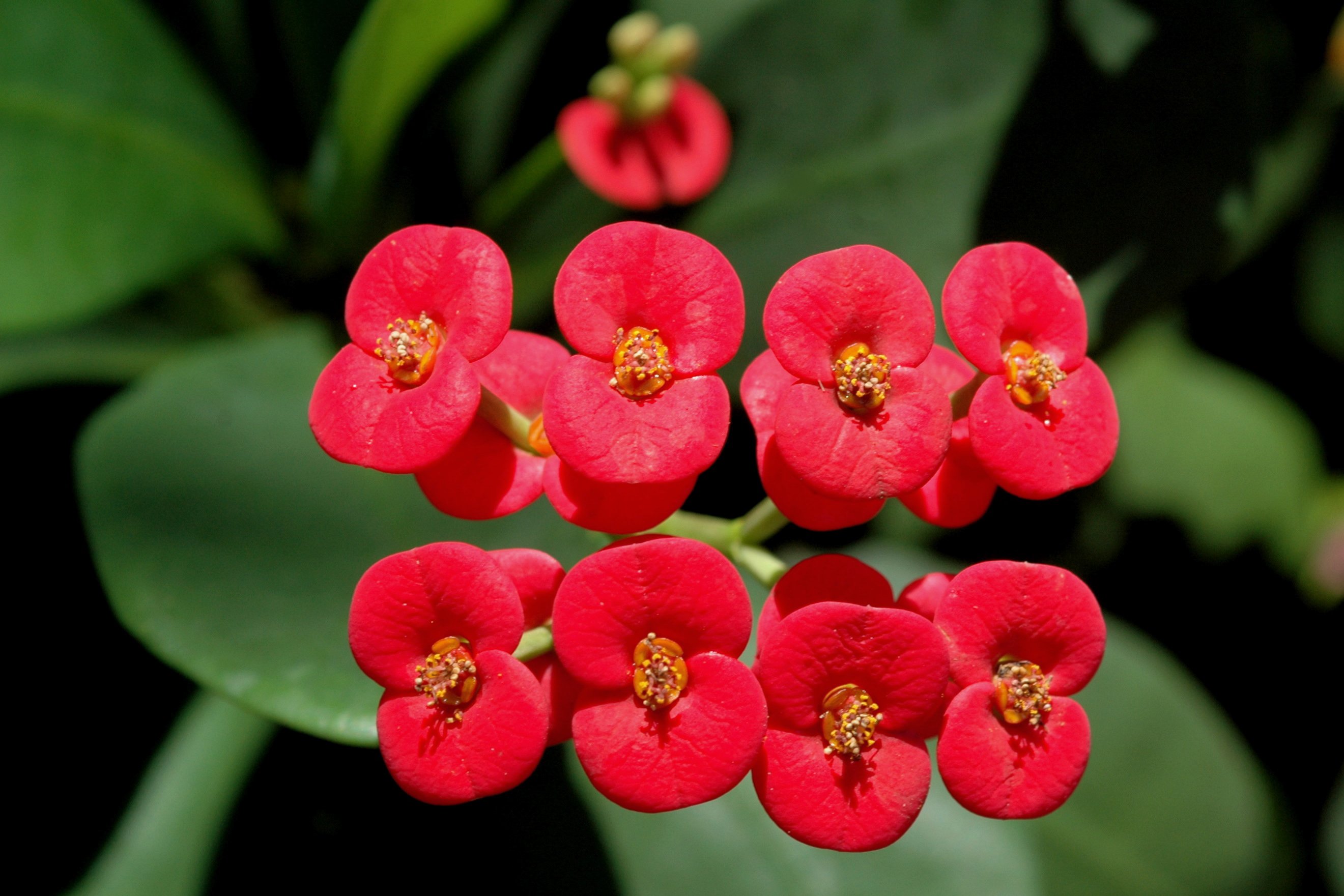
A thorny, woody-stemmed succulent euphorbia that can flower nearly year-round, Euphorbia milii bears small but vivid bracts in red, pink, yellow, or white above dense spines. It is one of the few succulents that blooms heavily indoors, but its sharp thorns and irritant milky sap make it toxic to pets.

Echeveria
Beginner🐾 Pet-safe

Echeveria

Echeveria elegans

The classic 'rosette succulent,' echeverias form tight, symmetrical whorls of plump leaves in colors from pale blue-green to pink, lavender, and silver. Easy and pet-safe, they reward bright light with compact rosettes and tidy clusters of offsets.

Hens and Chicks
Beginner🐾 Pet-safe

Hens and Chicks

Sempervivum tectorum

A tough, cold-hardy alpine succulent forming a 'hen' rosette ringed by clustering 'chick' offsets, Sempervivum tectorum is pet-safe and famously durable. Unlike most succulents it shrugs off frost, and its name 'sempervivum' means 'always alive.'

Jade Plant
Beginner⚠ Toxic to pets

Jade Plant

Crassula ovata

A long-lived, tree-like succulent with thick woody stems and glossy, oval, jade-green leaves, Crassula ovata is among the most popular and durable houseplants. Given bright light and lean watering it can become a heirloom specimen lasting decades.

Living Stones
Advanced🐾 Pet-safe

Living Stones

Lithops spp.

Masters of camouflage, Lithops are tiny succulents that mimic the pebbles around them, each plant a pair of fused, water-filled leaves with a patterned top 'window.' Pet-safe but demanding, they live or die by a strict seasonal watering rhythm tied to their leaf-renewal cycle.

Panda Plant
Beginner⚠ Toxic to pets

Panda Plant

Kalanchoe tomentosa

Grown for its irresistibly fuzzy, silvery-green leaves edged with chocolate-brown 'panda' markings, Kalanchoe tomentosa is a soft-looking but tough succulent. It is easy and forgiving in bright light, but like other kalanchoes it is toxic to cats and dogs.

String of Hearts
Beginner🐾 Pet-safe

String of Hearts

Ceropegia woodii

A delicate trailing semi-succulent with cascading strands of small, heart-shaped, silver-marbled leaves, Ceropegia woodii is an easy and pet-safe hanging plant. It forms little tubers ('beads') along the stems that make propagation almost foolproof.

String of Pearls
Intermediate⚠ Toxic to pets

String of Pearls

Curio rowleyanus

A striking trailing succulent whose thread-like stems are strung with round, pea-sized 'pearls,' Curio rowleyanus is a coveted hanging plant. The spherical leaves are an adaptation to reduce water loss while letting light in through a translucent window — and it is mildly toxic to pets.

Zebra Haworthia
Beginner🐾 Pet-safe

Zebra Haworthia

Haworthiopsis attenuata

A small, slow-growing rosette of stiff, dark-green leaves banded with raised white 'zebra' stripes, Haworthiopsis attenuata is a pet-safe, low-light-tolerant succulent ideal for desks and windowsills. It stays compact and rarely outgrows its pot.

14

Orchids, peace lilies, anthuriums

Show1–14 of 14
African Violet
Beginner🐾 Pet-safe

African Violet

Saintpaulia ionantha

A compact, velvety-leaved windowsill classic, the African violet can bloom nearly year-round in the right light and is famously easy to propagate from a single leaf. It is unrelated to true violets.

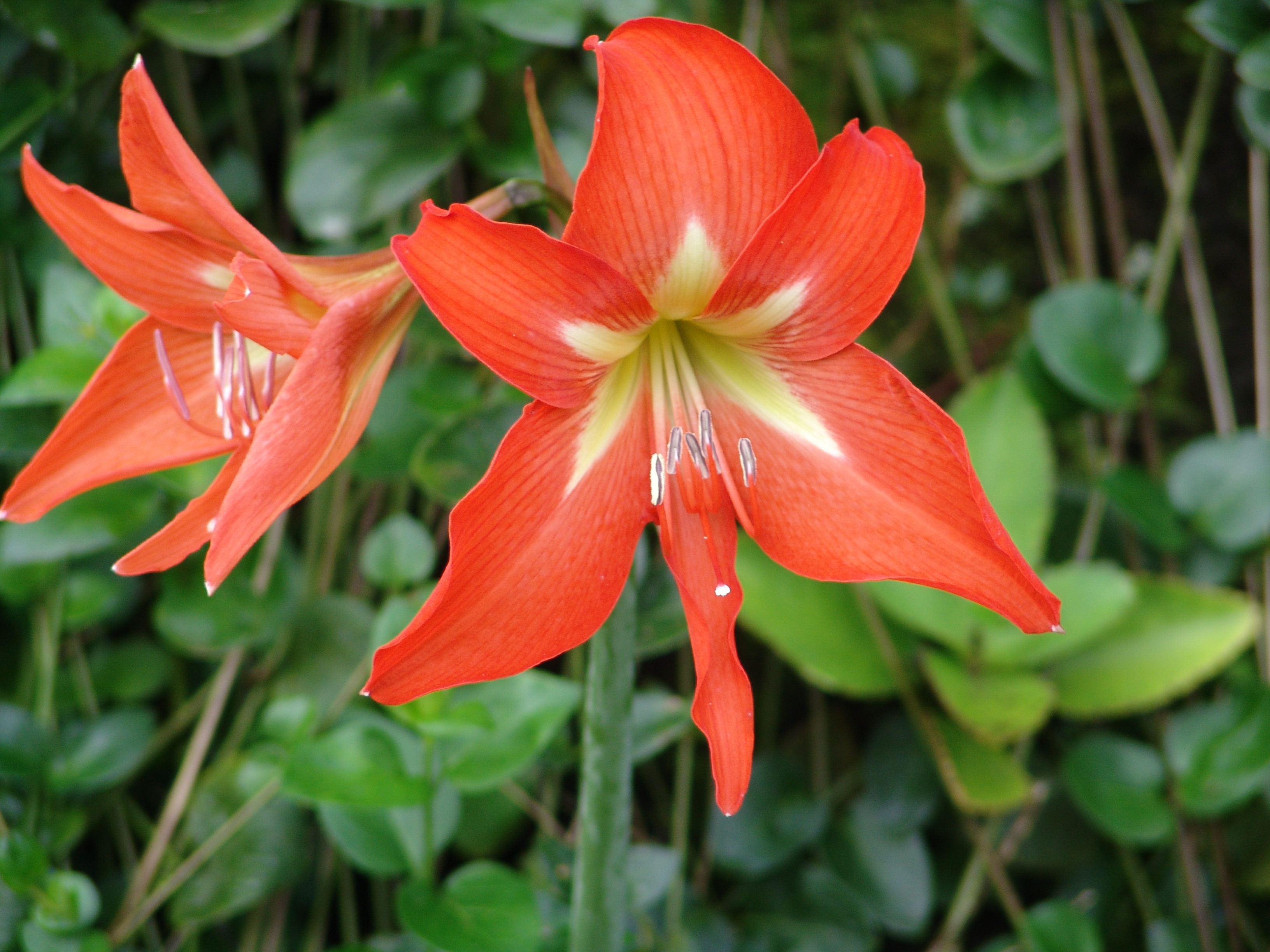
Amaryllis
Beginner⚠ Toxic to pets

Amaryllis

Hippeastrum spp.

Grown from a large bulb, the amaryllis throws up tall stalks topped with huge trumpet flowers, famous as a winter holiday forcing bulb. With a proper rest period it can rebloom for many years.

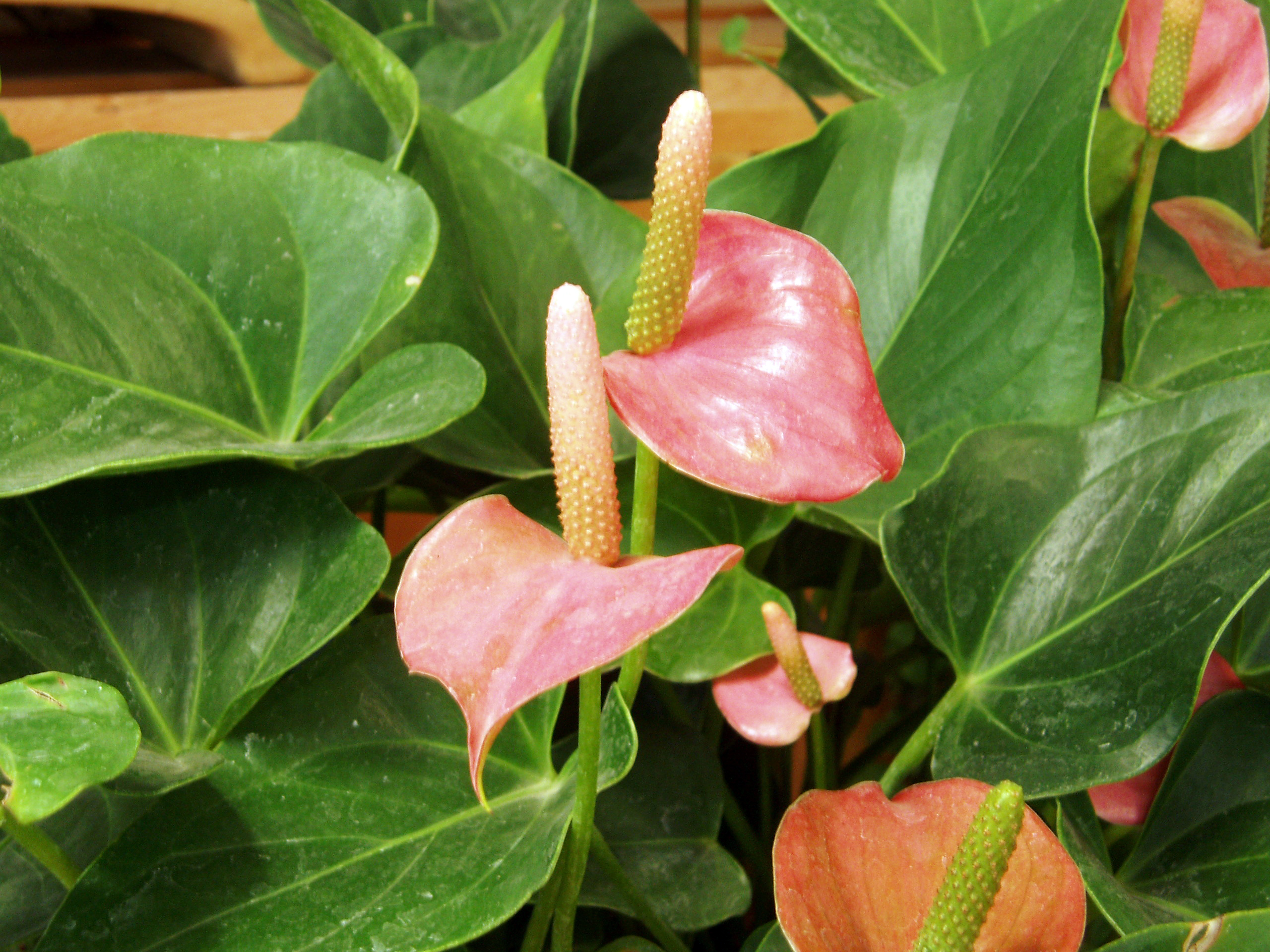
Anthurium / Flamingo Flower
Intermediate⚠ Toxic to pets

Anthurium / Flamingo Flower

Anthurium andraeanum

Grown for its glossy, heart-shaped, lacquer-red (or pink/white) spathes that can last for weeks, the anthurium is a long-blooming tropical aroid. Its 'flower' is a colorful bract around a slender spadix.

Cyclamen
Intermediate⚠ Toxic to pets

Cyclamen

Cyclamen persicum

A cool-season bloomer with swept-back, butterfly-like flowers above marbled heart-shaped leaves, cyclamen flowers through winter and then goes dormant. It is a tuberous plant with very particular temperature needs.

Florist Kalanchoe
Beginner⚠ Toxic to pets

Florist Kalanchoe

Kalanchoe blossfeldiana

A compact succulent topped with dense clusters of long-lasting little flowers in hot colors, the florist kalanchoe is a short-day bloomer often sold around the holidays. It thrives on bright light and lean watering.

Gardenia
Advanced⚠ Toxic to pets

Gardenia

Gardenia jasminoides

Famed for intensely fragrant, creamy-white double flowers against glossy dark evergreen leaves, the gardenia is a rewarding but demanding houseplant with exacting humidity, light, and soil-acidity needs.

Geranium
Beginner⚠ Toxic to pets

Geranium

Pelargonium x hortorum

The classic windowsill and balcony 'geranium' is actually a Pelargonium, grown for rounded clusters of bright flowers above scalloped, often zone-marked leaves. It blooms generously given lots of sun and lean care.

Guzmania Bromeliad
Beginner🐾 Pet-safe

Guzmania Bromeliad

Guzmania lingulata

Topped by a long-lasting rosette of vivid red, orange, or yellow bracts, the guzmania is an easy epiphytic bromeliad. The colorful 'flower' is actually showy bracts that persist for months.

Lipstick Plant
Intermediate🐾 Pet-safe

Lipstick Plant

Aeschynanthus radicans

A trailing epiphytic vine perfect for hanging baskets, the lipstick plant produces clusters of tubular red flowers emerging from dark, lipstick-tube-like buds against waxy green leaves. Bright light and a slightly snug pot encourage blooming.

Moth Orchid
Beginner🐾 Pet-safe

Moth Orchid

Phalaenopsis spp.

The most beginner-friendly orchid, the moth orchid produces arching sprays of long-lasting flat blooms and can be coaxed to rebloom from the same spike. It grows in bark, not soil, because it is an epiphyte.

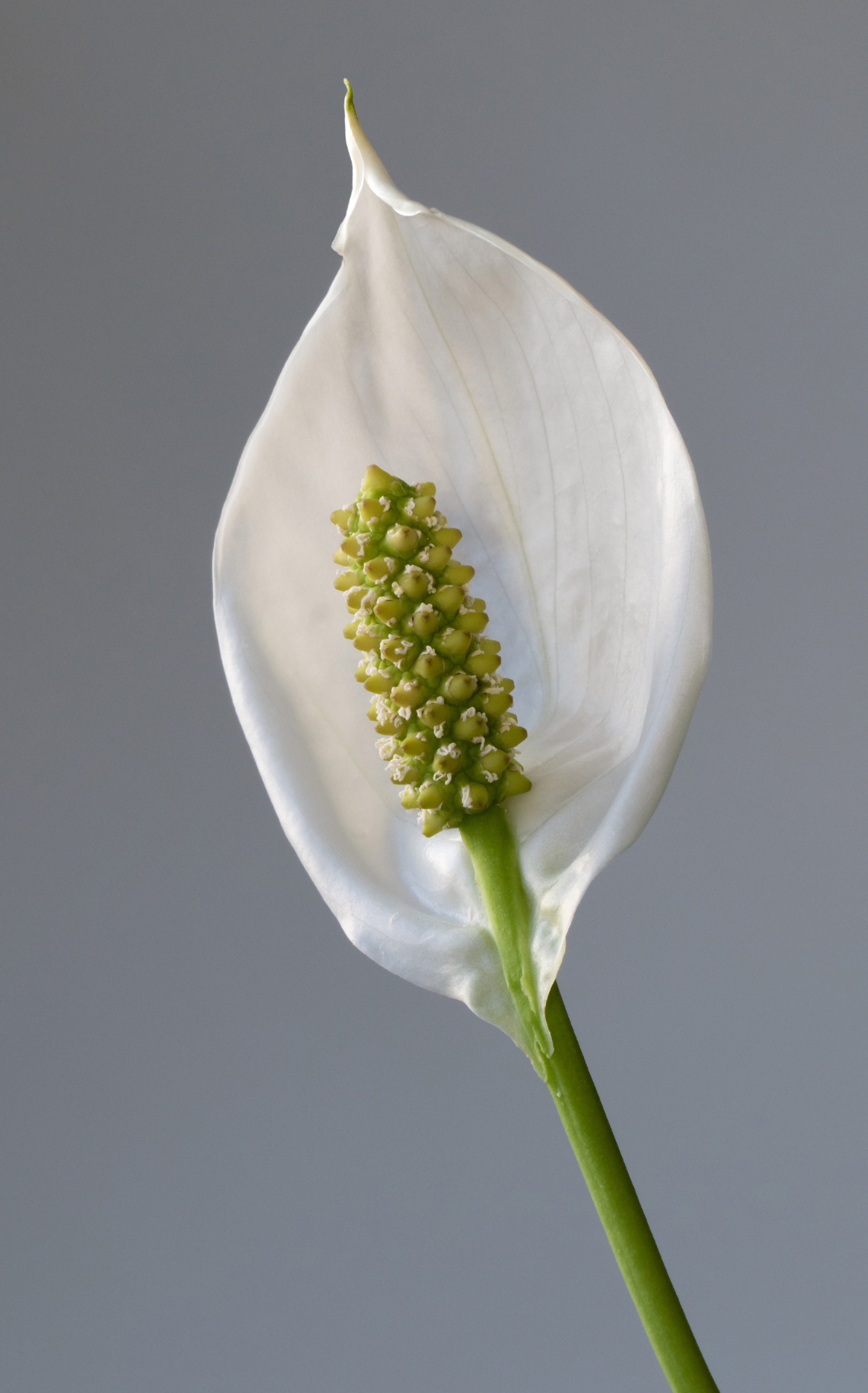
Peace Lily
Beginner⚠ Toxic to pets

Peace Lily

Spathiphyllum wallisii

A forgiving aroid prized for glossy foliage and pure-white spathes, the peace lily blooms in modest light and famously droops dramatically when thirsty. Despite the name it is not a true lily.

Pink Jasmine
Intermediate🐾 Pet-safe

Pink Jasmine

Jasminum polyanthum

A vigorous twining vine that erupts in late winter into masses of intensely fragrant pink-budded white flowers, pink jasmine is a popular indoor (and mild-climate outdoor) bloomer. Cool nights help trigger its bud set.

Wax Begonia
Beginner⚠ Toxic to pets

Wax Begonia

Begonia semperflorens

A near-constantly blooming begonia with glossy, waxy leaves and clusters of small flowers, grown as a houseplant or bedding annual. It flowers freely with little fuss given decent light.

Wax Plant / Hoya
Beginner🐾 Pet-safe

Wax Plant / Hoya

Hoya carnosa

A long-lived trailing or climbing vine with thick, waxy leaves, the hoya rewards patience with rounded clusters of star-shaped, often fragrant, almost porcelain-looking flowers. It blooms from persistent spurs that must not be removed.

4

Humidity-loving statement plants

Bird of Paradise
Intermediate⚠ Mildly toxic

Bird of Paradise

Strelitzia reginae

A dramatic clumping tropical grown for its paddle-shaped leaves and, in maturity, its unmistakable orange-and-blue crane-like flower. Indoors it is mostly a bold foliage plant that flowers only with abundant light and age.

Caladium
Intermediate⚠ Toxic to pets

Caladium

Caladium bicolor

Grown for paper-thin, heart-shaped leaves splashed in pink, red, white, and green, the caladium is a tuberous tropical that puts on a spectacular foliage show in the warm season and then dies back to a dormant tuber.

Dwarf Umbrella Tree
Beginner⚠ Toxic to pets

Dwarf Umbrella Tree

Schefflera arboricola

An easygoing, fast-growing foliage shrub whose glossy leaflets radiate like the spokes of an umbrella, the dwarf schefflera tolerates a range of conditions and takes well to pruning, making it a popular floor plant and bonsai subject.

Elephant Ear (Alocasia)
Advanced⚠ Toxic to pets

Elephant Ear (Alocasia)

Alocasia x amazonica

Prized for dramatic arrow-shaped leaves with bold pale veining, Alocasia is a striking but demanding tropical aroid that wants warmth, humidity, and steady moisture. It commonly goes dormant in winter, which alarms new owners.

4

Soft, shade + moisture lovers

Bird's Nest Fern
Beginner🐾 Pet-safe

Bird's Nest Fern

Asplenium nidus

Unlike feathery ferns, the bird's nest fern forms a rosette of broad, undivided, apple-green fronds that unfurl from a fuzzy central 'nest.' An easygoing epiphyte, it is one of the more forgiving ferns for indoor growing.

Boston Fern
Intermediate🐾 Pet-safe

Boston Fern

Nephrolepis exaltata

The classic arching, feathery fern of porches and hanging baskets, the Boston fern is lush and graceful but famous for shedding leaflets when the air is too dry. Given humidity and steady moisture it is a generous, easy grower.

Maidenhair Fern
Advanced🐾 Pet-safe

Maidenhair Fern

Adiantum raddianum

Delicate, lacy fronds of tiny fan-shaped leaflets on wiry black stems give the maidenhair fern its airy beauty — and its reputation as a diva that crisps at the first hint of dry air or a missed watering.

Staghorn Fern
Intermediate🐾 Pet-safe

Staghorn Fern

Platycerium bifurcatum

An epiphytic fern that grows on trees rather than in soil, the staghorn produces two kinds of fronds: flat, shield-like 'basal' fronds that hug its mount and antler-shaped fertile fronds that arch outward. It is famously grown mounted on a board or in moss.

7

Indoor palms

Areca Palm
Intermediate🐾 Pet-safe

Areca Palm

Dypsis lutescens

A clumping feather palm with arching, bamboo-like yellow-green canes, the areca is one of the most popular indoor palms for its lush, airy look. It is pet-safe but particular about light, water quality, and not being overwatered.

Kentia Palm
Beginner🐾 Pet-safe

Kentia Palm

Howea forsteriana

An elegant, slow-growing feather palm with dark green arching fronds, the kentia has been the quintessential 'indoor palm' since Victorian times. It is pet-safe, tolerant of low light and neglect, and prized for its graceful, undemanding nature.

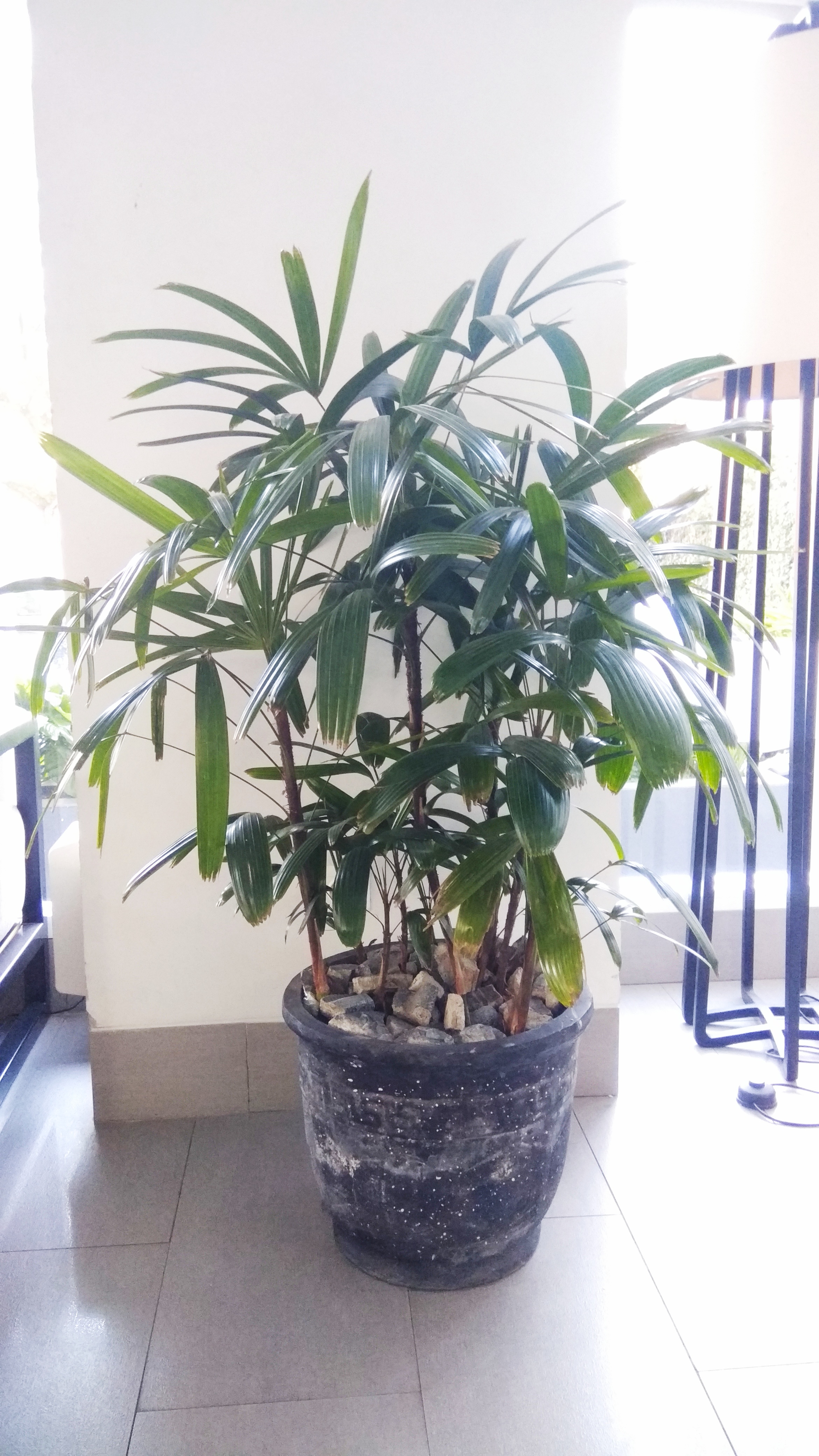
Lady Palm
Beginner🐾 Pet-safe

Lady Palm

Rhapis excelsa

A clumping fan palm with glossy, deeply divided fronds on slender bamboo-like canes, the lady palm is one of the toughest and most refined indoor palms. It is pet-safe, tolerates lower light, and forms a dense, elegant multi-stemmed clump.

Majesty Palm
Advanced🐾 Pet-safe

Majesty Palm

Ravenea rivularis

A tall feather palm with graceful arching fronds, the majesty palm is widely sold as an inexpensive indoor plant but is notoriously tricky to keep happy indoors, since it craves the bright light, warmth, humidity, and steady moisture of its native Madagascan riverbanks.

Parlor Palm
Beginner🐾 Pet-safe

Parlor Palm

Chamaedorea elegans

A compact, slow-growing palm that tolerates low light and neglect, the parlor palm has been a beloved indoor plant since Victorian times. It is pet-safe, undemanding, and ideal for spots where flashier plants would sulk.

Ponytail Palm
Beginner🐾 Pet-safe

Ponytail Palm

Beaucarnea recurvata

Despite the name, the ponytail palm is not a true palm but a succulent relative of agaves and yuccas, storing water in a swollen, bulb-like trunk topped by a fountain of curling strap-like leaves. It is drought-tolerant and very easy to grow.

Sago Palm
Intermediate⚠ Severely toxic

Sago Palm

Cycas revoluta

An ancient, palm-like cycad with a stout trunk and a stiff whorl of glossy, feather-like fronds, the sago is a striking, slow-growing houseplant. CRITICAL: every part is severely poisonous to pets and people, and seeds especially can cause fatal liver failure in dogs.

6

Kitchen-window growers

Cat Grass
Beginner🐾 Pet-safe

Cat Grass

Dactylis glomerata

Cat grass is a quick, easy crop of cereal-type grasses (often orchard grass, wheat, oat, or barley) grown indoors for cats to nibble. It is a pet-positive, fast-from-seed plant rather than a long-lived houseplant.

Catnip
Beginner🐾 Pet-safe

Catnip

Nepeta cataria

A hardy, easygoing mint-family perennial best known for the euphoric reaction it triggers in many cats. It is undemanding, sun-loving, and a genuinely pet-positive herb to grow.

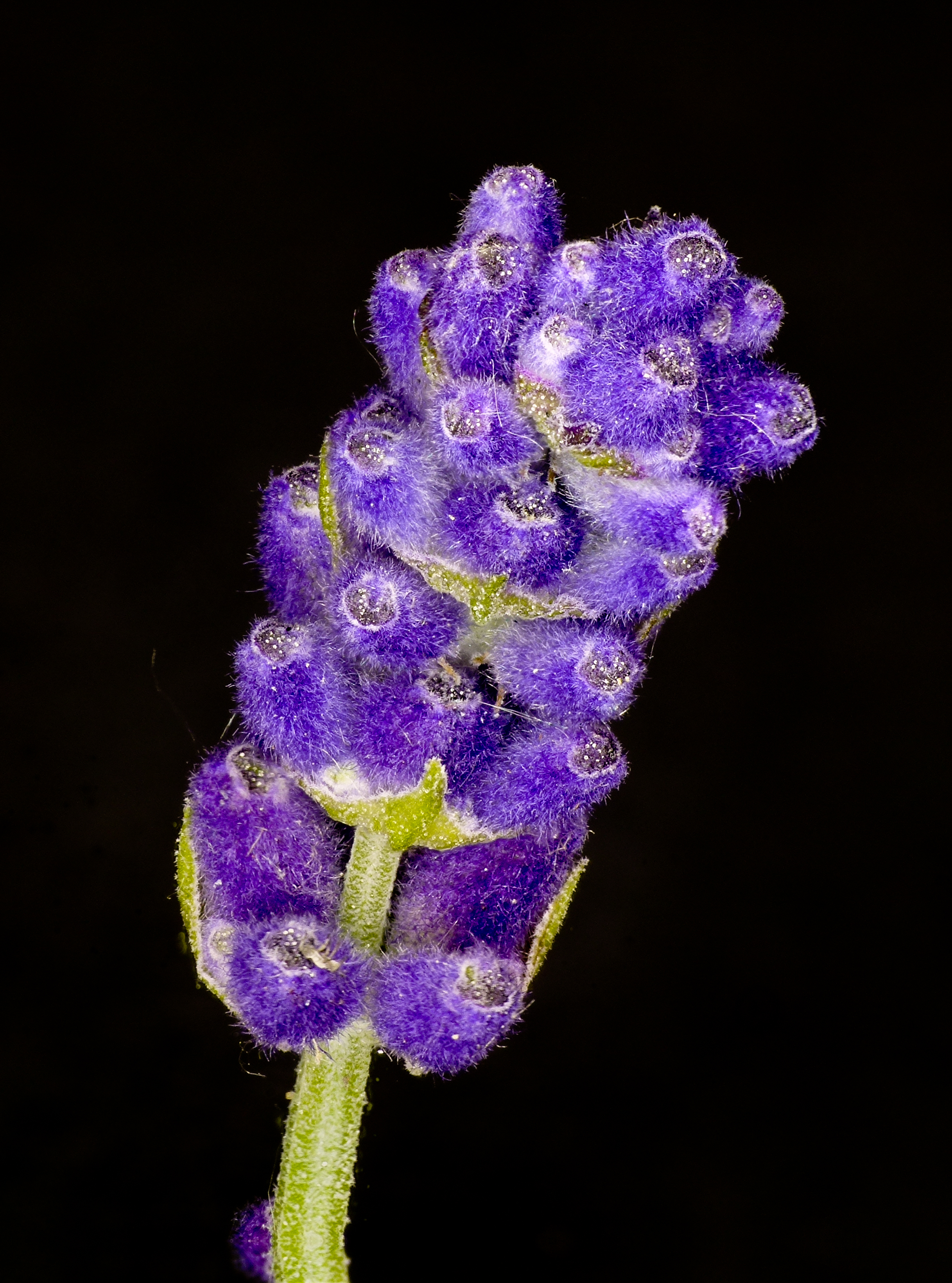
English Lavender
Intermediate⚠ Toxic to pets

English Lavender

Lavandula angustifolia

A woody, gray-leaved Mediterranean shrub prized for its fragrant purple flower spikes, English lavender demands full sun and lean, sharply drained soil. It is a sun-and-dryness plant that hates wet, rich conditions.

Mint
Beginner⚠ Toxic to pets

Mint

Mentha spp.

Vigorous, aromatic, and almost unkillable, mint is a spreading perennial herb best grown in a contained pot because its runners colonize everything. It tolerates part shade better than most herbs.

Rosemary
Intermediate🐾 Pet-safe

Rosemary

Salvia rosmarinus

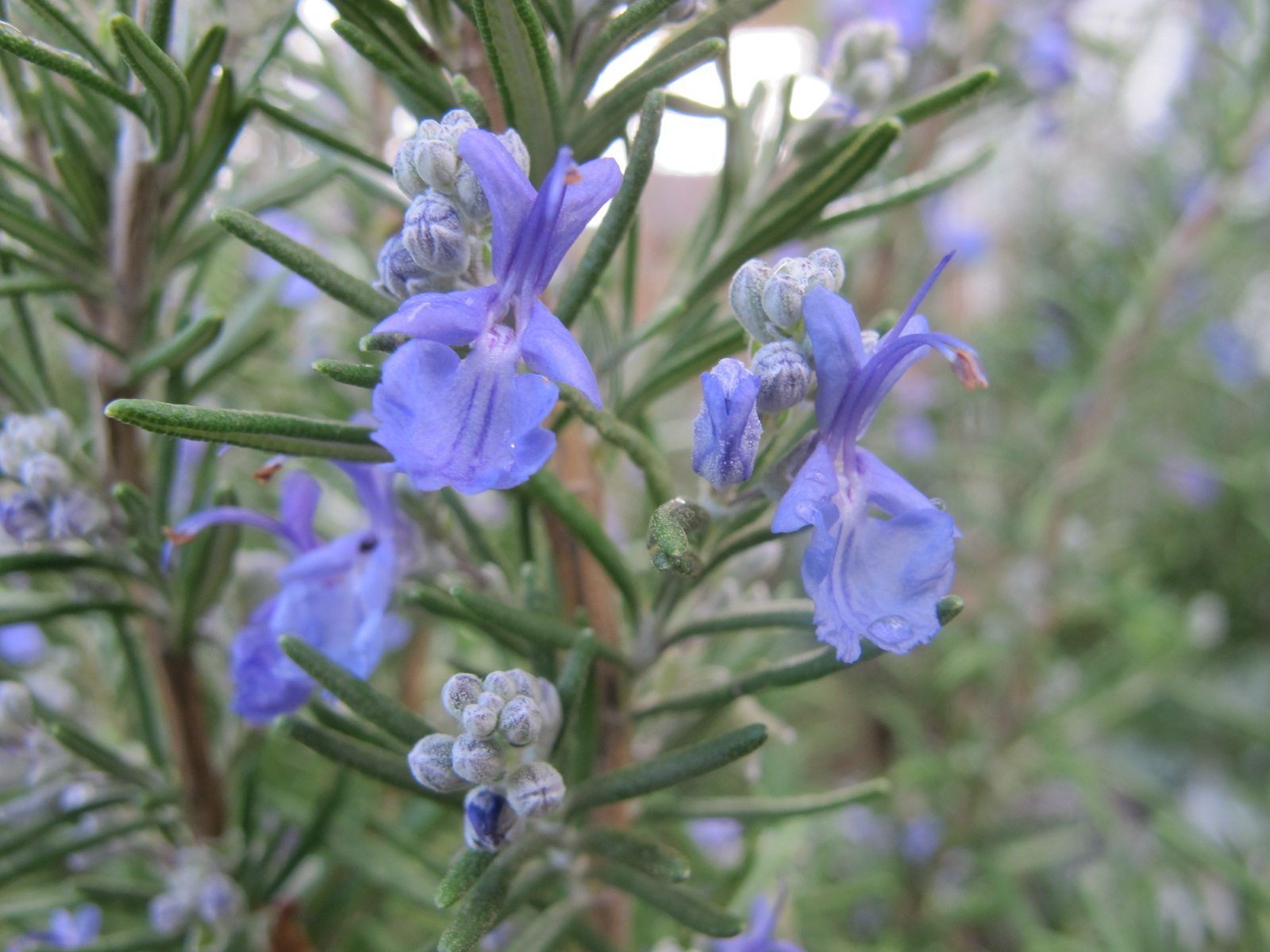
A woody, drought-tolerant Mediterranean shrub grown for its needle-like, piney leaves, rosemary wants all the sun it can get and dislikes wet feet. It is harder to keep alive indoors than most herbs, mainly because of overwatering.

Sweet Basil
Beginner🐾 Pet-safe

Sweet Basil

Ocimum basilicum

The classic culinary basil is a fast, sun-loving annual herb grown for its fragrant leaves. Pinch it often and keep flower spikes cut to keep it leafy, tender, and productive all season.

4

Venus flytraps, pitchers, sundews
Cape Sundew
Intermediate🐾 Pet-safe

Cape Sundew

Drosera capensis

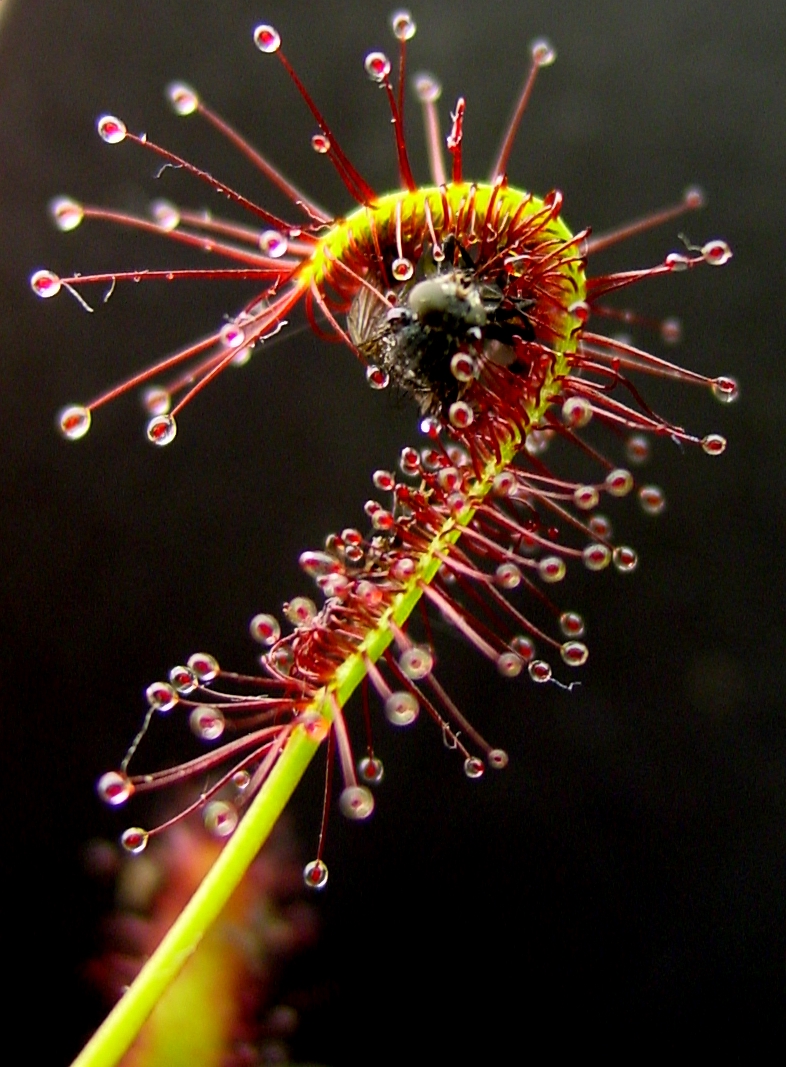
The Cape sundew is widely considered the best beginner sundew: strappy leaves studded with glittering, sticky 'dew' droplets curl around trapped insects. It is vigorous and forgiving by carnivorous-plant standards, but still needs pure water and lean media.

Tropical Pitcher Plant
Advanced🐾 Pet-safe

Tropical Pitcher Plant

Nepenthes spp.

Nepenthes are vining tropical carnivores that dangle fluid-filled 'pitchers' from their leaf tips to drown and digest insects. Unlike temperate carnivores they need no winter dormancy, but they do demand pure water, airy media, warmth, and humidity.

Trumpet Pitcher
Advanced🐾 Pet-safe

Trumpet Pitcher

Sarracenia spp.

North American trumpet pitchers form tall, upright tubular leaves that lure and drown insects, often beautifully veined in red and white. They are bog plants that demand full sun, pure water, lean media, and — crucially — a real winter dormancy.

Venus Flytrap
Advanced🐾 Pet-safe

Venus Flytrap

Dionaea muscipula

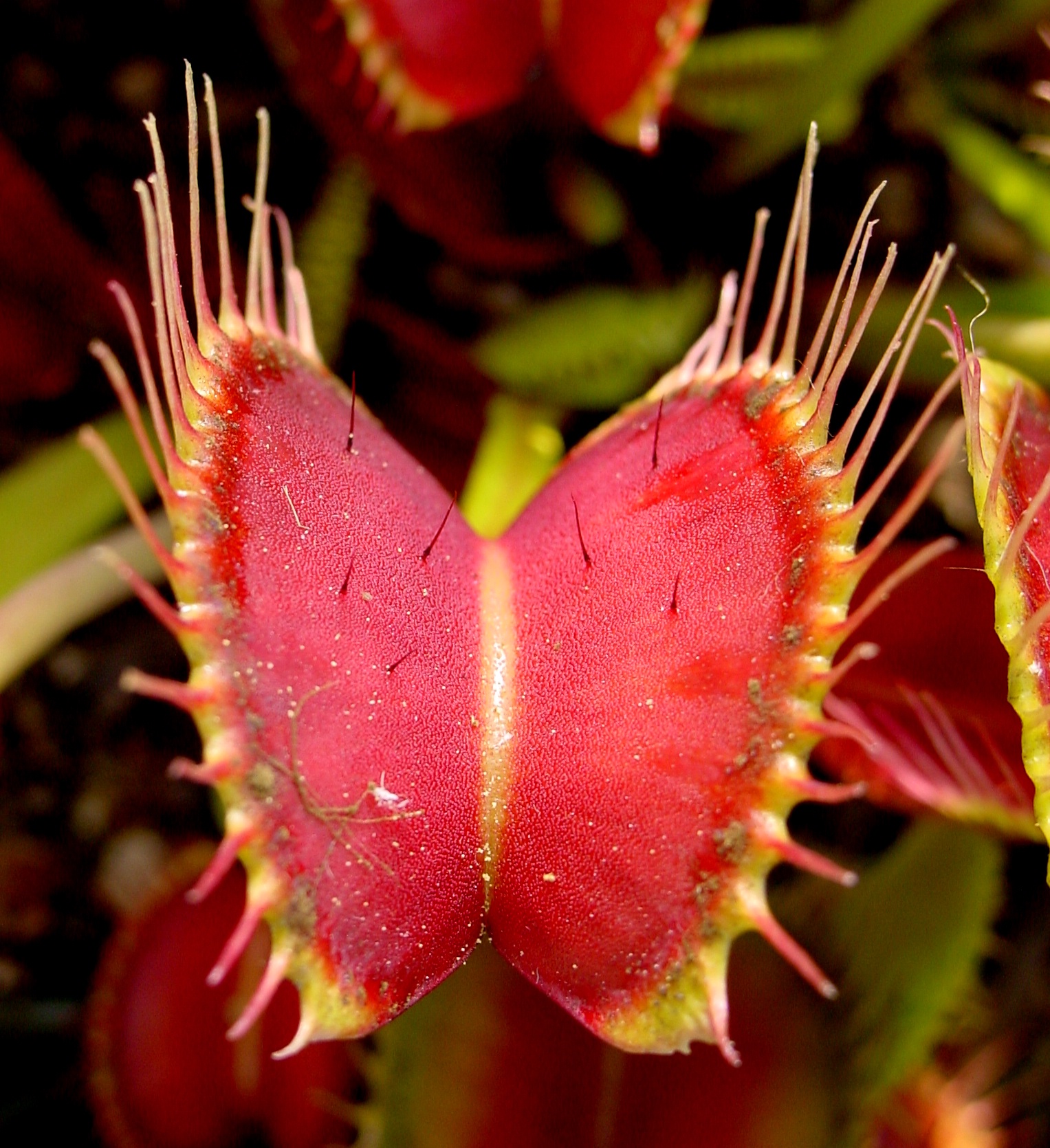
The iconic snap-trap carnivore, the Venus flytrap catches insects in hinged, trigger-haired leaves. It is demanding in very specific ways: pure water, nutrient-poor media, bright sun, and an essential winter dormancy.

1

Soil-free tillandsias

42

Freshwater aquarium plants — Java fern, Anubias, swords, mosses, carpets

Show1–24 of 42
African water fern
Intermediate🐾 Pet-safe

African water fern

Bolbitis heudelotii

Bolbitis heudelotii is a striking rhizome fern with translucent, finely divided dark-green fronds that attaches to wood and rock. It grows slowly and favours soft, slightly acidic, well-oxygenated water with good flow. Under the modern PPG I classification it is placed in Dryopteridaceae (it was formerly assigned to Lomariopsidaceae).

Alternanthera reineckii
Intermediate🐾 Pet-safe

Alternanthera reineckii

Alternanthera reineckii

One of the most popular red/pink aquarium plants, with lance-shaped leaves that are green-to-olive on top and vivid pink-to-purple underneath. A striking color accent in planted layouts.

Amazon frogbit
Beginner🐾 Pet-safe

Amazon frogbit

Limnobium laevigatum

Amazon frogbit is a fast-growing floating plant with rounded, glossy leaves and long, trailing roots that provide cover and shade for surface-dwelling and shy fish. It is an excellent nutrient exporter, helping to outcompete nuisance algae in low-tech tanks.

Amazon Sword
Beginner🐾 Pet-safe

Amazon Sword

Echinodorus grisebachii

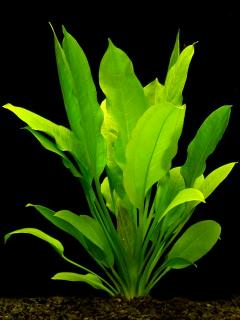
A large, robust rosette plant that produces broad, lance-shaped green leaves and makes an excellent centerpiece or background plant in larger aquariums. Forgiving and fast-growing once its heavy root feeding is satisfied.

Ambulia
Beginner🐾 Pet-safe

Ambulia

Limnophila sessiliflora

A fast-growing, feathery stem plant with whorls of finely divided, fern-like bright-green leaves, resembling Cabomba but far hardier and easier to grow.

Anubias barteri
Beginner🐾 Pet-safe

Anubias barteri

Anubias barteri

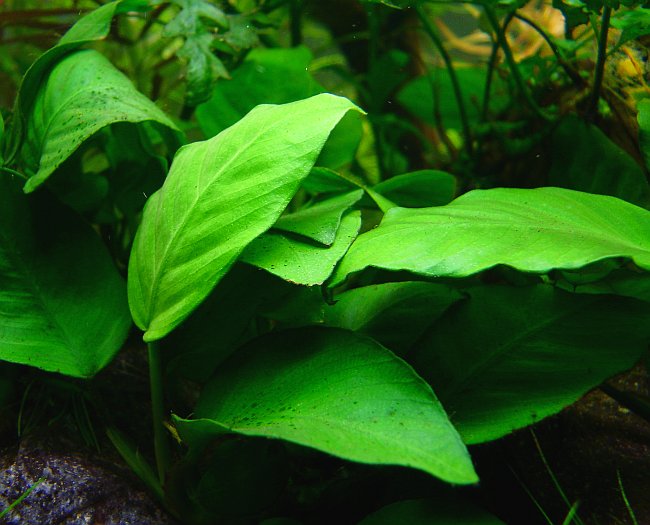
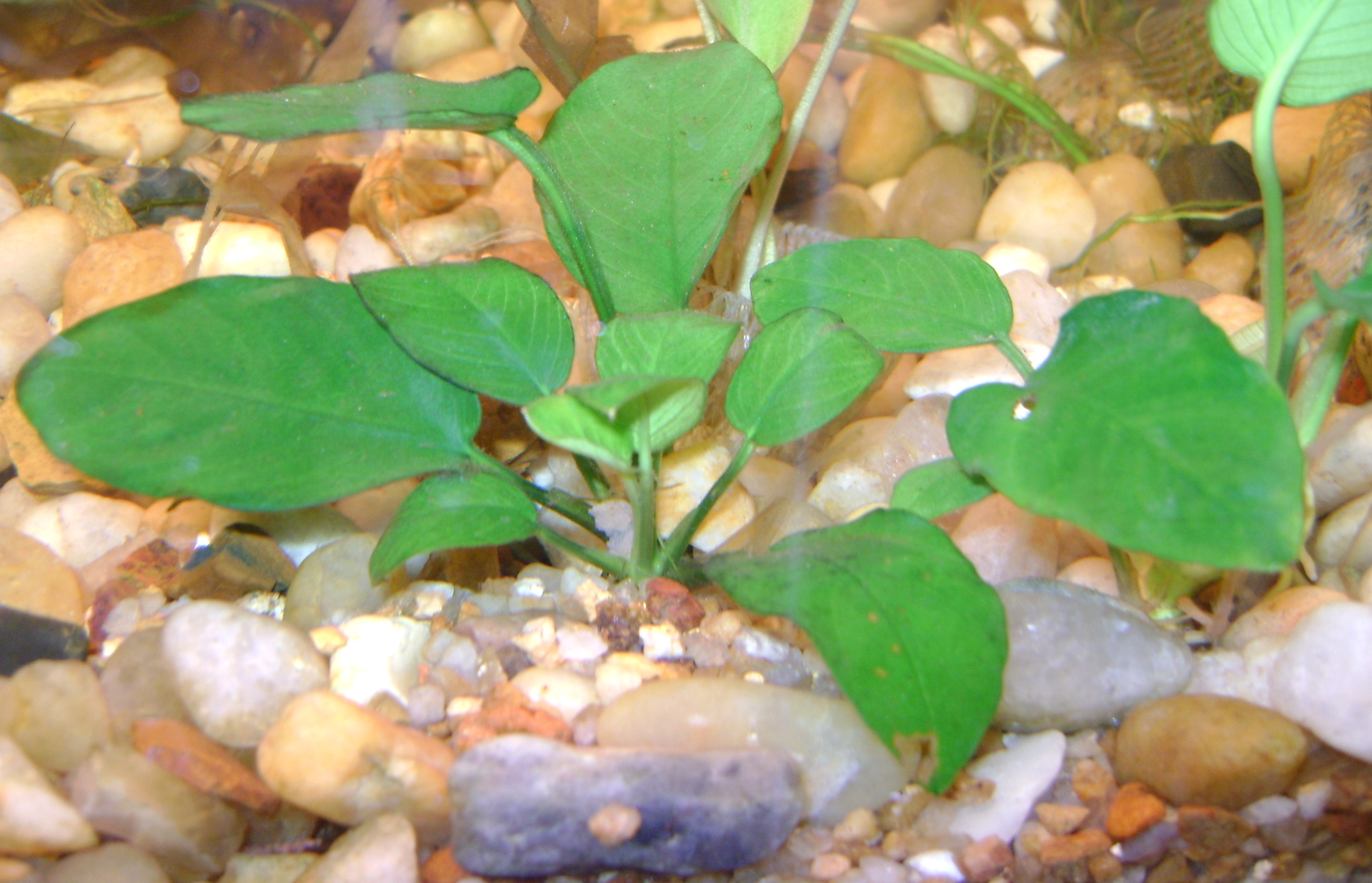
Anubias barteri is a robust, slow-growing rhizome plant with thick, dark-green leathery leaves that attaches to wood and rock. Nearly indestructible and tolerant of low light, it is a cornerstone of low-tech and beginner aquascapes.

Anubias nana
Beginner🐾 Pet-safe

Anubias nana

Anubias barteri var. nana
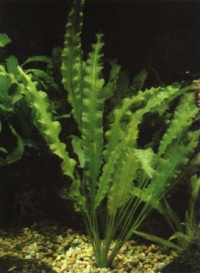
Anubias nana is a compact dwarf variety of Anubias barteri, prized for its small, rounded dark-green leaves and tiny footprint. It attaches to hardscape, tolerates very low light, and is one of the easiest aquarium plants to grow.

Aponogeton
Beginner🐾 Pet-safe

Aponogeton

Aponogeton crispus

A bulb plant that erupts into a rosette of long, translucent, crinkly-edged leaves, making a fast and dramatic background centerpiece. Easy to grow and known for occasional dormancy periods.

Bacopa
Beginner🐾 Pet-safe

Bacopa

Bacopa caroliniana

A hardy, slow-but-steady stem plant with thick succulent oval leaves arranged in pairs, releasing a faint lemon scent when crushed. Extremely forgiving and ideal for beginners.

Banana Plant
Beginner🐾 Pet-safe

Banana Plant

Nymphoides aquatica

A novelty rosette plant named for its cluster of banana-shaped tubers at the base, from which round, heart-shaped leaves grow. Easy and unusual, popular for small and nano tanks.

Bucephalandra
Beginner🐾 Pet-safe

Bucephalandra

Bucephalandra sp.

Bucephalandra is a diverse genus of slow-growing rhizome plants endemic to Borneo, prized for thick, often iridescent leaves in countless varieties. Like Anubias it attaches to hardscape by its rhizome and is hardy and undemanding.

Cabomba
Intermediate🐾 Pet-safe

Cabomba

Cabomba caroliniana

A classic feathery oxygenating stem plant with delicate, fan-shaped finely divided leaves arranged in opposite pairs. Beautiful but more demanding of light than many beginner stems.

Christmas moss
Beginner🐾 Pet-safe

Christmas moss

Vesicularia montagnei

Christmas moss is prized for its triangular, frond-like shoots that overlap like the branches of a fir tree, giving a tidy, decorative look on hardscape. It is slightly slower-growing and more light- and CO2-responsive than Java moss but still beginner-friendly. Note that 'Christmas moss' in the trade may cover more than one Vesicularia/Taxiphyllum form, and submersed V. montagnei is hard to tell from V. dubyana.

Intermediate🐾 Pet-safe

Cryptocoryne parva

Cryptocoryne parva

The smallest Cryptocoryne, forming tidy clumps of narrow 3-6 cm leaves that make it one of the few true rosette foreground crypts. Very hardy but notoriously slow-growing.

Cryptocoryne wendtii
Beginner🐾 Pet-safe

Cryptocoryne wendtii

Cryptocoryne wendtii

An extremely hardy, variable rosette crypt available in green, brown, and red forms, ideal for low-tech midgrounds. Famous for 'crypt melt' after a move, after which it regrows reliably from the rootstock.

Duckweed
Beginner🐾 Pet-safe

Duckweed

Lemna minor

Duckweed is a tiny, free-floating plant consisting of one to a few oval fronds with a single dangling root, forming dense green carpets on still water. It is one of the fastest-growing and most efficient nutrient-absorbing plants, but it spreads aggressively and is notoriously hard to remove.

Dwarf baby tears
Advanced🐾 Pet-safe

Dwarf baby tears

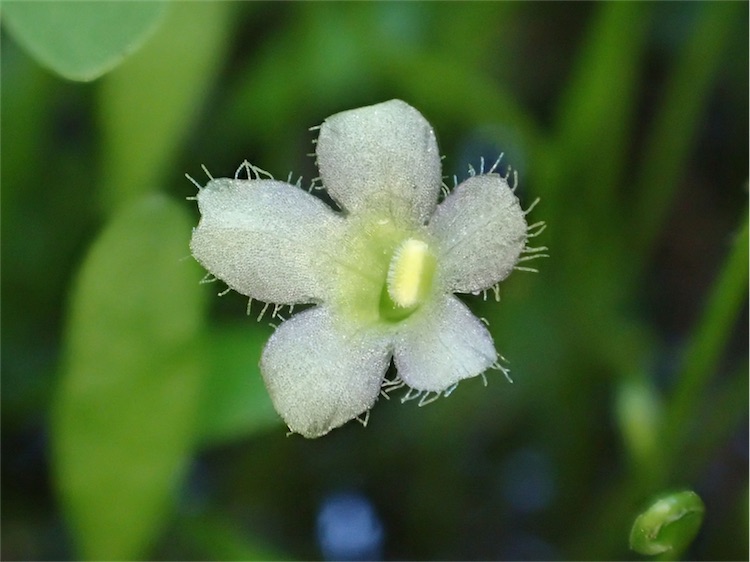
Hemianthus callitrichoides

The smallest aquarium carpeting plant, with tiny tear-shaped leaves forming an exceptionally fine, dense lawn. Prized for high-tech aquascapes but demanding of light and CO2. Now often treated taxonomically as Micranthemum callitrichoides, though the trade name Hemianthus callitrichoides persists.

Dwarf four-leaf clover
Beginner🐾 Pet-safe

Dwarf four-leaf clover

Marsilea hirsuta

A hardy carpeting fern that produces varied leaf forms, from single rounded blades to four-leaf clover shapes. Slow but very forgiving, it is an excellent low-tech foreground option.

Dwarf hairgrass
Intermediate🐾 Pet-safe

Dwarf hairgrass

Eleocharis parvula

A fine grass-like carpeting sedge that spreads by runners to form a lush, lawn-like foreground. With strong light and CO2 it carpets densely and stays short; under lower light it grows taller and thinner. Note that E. parvula is a distinct, shorter species from the taller, needle-like E. acicularis, though both are sold as 'dwarf hairgrass'.

Dwarf Sagittaria
Beginner🐾 Pet-safe

Dwarf Sagittaria

Sagittaria subulata

A grass-like rosette plant resembling a miniature Vallisneria, prized for forming a low foreground-to-midground carpet via runners. Hardy and beginner-friendly in low-tech tanks.

Beginner🐾 Pet-safe

Flame moss

Taxiphyllum sp. 'Flame'

Flame moss is a distinctive, as-yet-undescribed Taxiphyllum whose shoots grow vertically upward in twisting, flame-like columns rather than spreading flat. This unusual upward habit makes it a striking accent on rocks and wood in aquascapes.

Glossostigma
Advanced🐾 Pet-safe

Glossostigma

Glossostigma elatinoides

A classic, fast-growing carpeting plant with tiny paired spoon-shaped leaves on creeping stems. Forms a beautiful low lawn but is famously light-hungry and grows upward if under-lit. Formerly placed in Scrophulariaceae, now classified in Phrymaceae.

Hornwort
Beginner🐾 Pet-safe

Hornwort

Ceratophyllum demersum

An extremely hardy, rootless floating or anchored plant with whorls of stiff, forked needle-like leaves. A prolific nutrient absorber and oxygenator that thrives in almost any condition.

Java fern
Beginner🐾 Pet-safe

Java fern

Microsorum pteropus

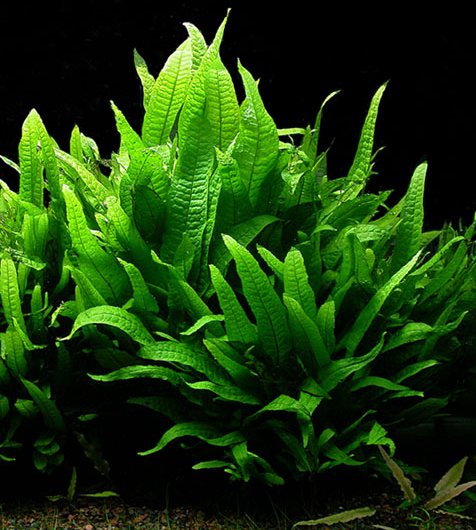
Java fern is one of the hardiest, most beginner-friendly aquarium plants, an epiphyte that attaches to wood and rock by its rhizome and tolerates a wide range of conditions. Its tough, leathery leaves are unpalatable to most fish, making it a staple of low-tech planted tanks. Note: the currently accepted botanical name is Leptochilus pteropus, though Microsorum pteropus remains the standard name in the aquarium trade.

Page 1 of 2

17

Saltwater macroalgae & plants — chaeto, caulerpa, mangroves, seagrass

Show1–17 of 17
Caulerpa
Intermediate⚠ Mildly toxic

Caulerpa

Caulerpa prolifera

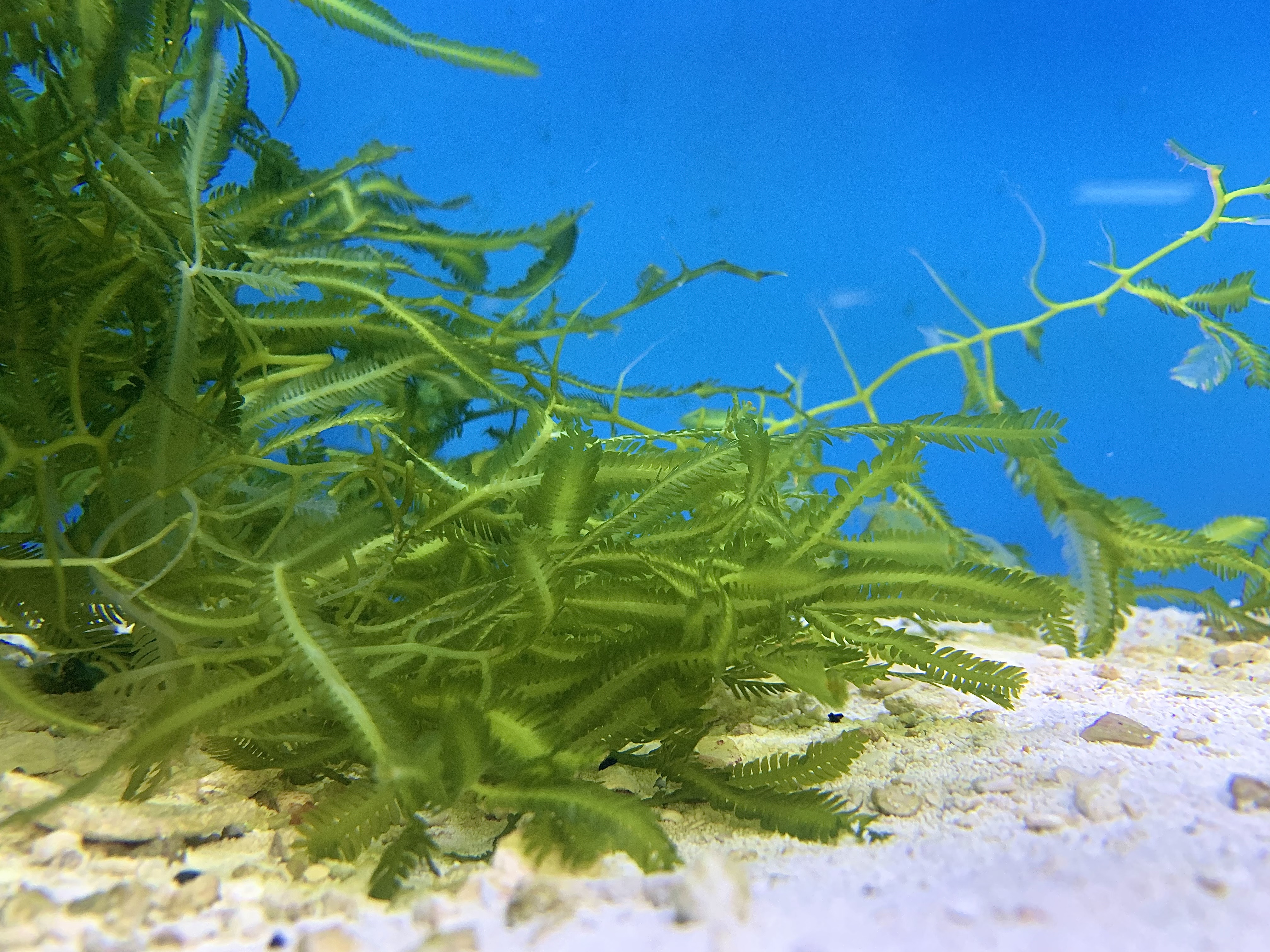
Caulerpa is a fast-growing nutrient-export macroalgae with attractive flat blade-like fronds, popular in refugiums and macro display tanks. It is effective but riskier than chaeto because it can "go sexual" and release reproductive cells that crash water quality. It is also a regulated/invasive genus in many jurisdictions.

Advanced⚠ Mildly toxic

Caulerpa taxifolia (RESTRICTED — 'killer algae')

Caulerpa taxifolia

LISTED AS A WARNING, NOT A CARE RECOMMENDATION. Caulerpa taxifolia is the fern-frond Caulerpa nicknamed 'killer algae.' A cold-tolerant aquarium clone escaped into the Mediterranean in the 1980s and spread uncontrollably, smothering native seabeds. In the United States it is a FEDERALLY PROHIBITED noxious weed and is BANNED to possess, sell, transport, or release in California. Do NOT acquire it; reputable macro vendors (including MosaicMacros) do not sell it. This entry exists so keepers can identify and avoid it.

Chaetomorpha (chaeto)
Beginner🐾 Pet-safe

Chaetomorpha (chaeto)

Chaetomorpha linum

Chaetomorpha is the go-to refugium macroalgae for saltwater aquariums, forming a coarse, springy ball of stiff green filaments that strips nitrate and phosphate from the water. It is hardy, fast-growing, and does not go sexual (crash) the way Caulerpa can.

Intermediate🐾 Pet-safe

Codium (dead man's fingers)

Codium fragile

Codium is a green macroalgae that grows as soft, dark-green, dichotomously forking finger-like fronds with a distinctive spongy, velvety texture — hence "dead man's fingers." It is an attractive, slow-to-moderate display macro for refugiums and macro tanks. Note the wild species (especially the subspecies C. fragile ssp. tomentosoides) is a notorious invasive on Atlantic coasts.

Intermediate🐾 Pet-safe

Dragon's breath algae

Halymenia sp.

Halymenia, sold as "Dragon's Breath," is a striking fiery red, branching, flame-like macroalgae popular as a centerpiece in macro display tanks. It is one of the more decorative red macros but appreciates good light and stable conditions to keep its vivid color.

Intermediate🐾 Pet-safe

Golden scroll algae (peacock's tail)

Padina sanctae-crucis

Padina is an unusual brown macroalgae that grows as a thin, fan-shaped, concentrically banded frond whose margin rolls under into a scroll — hence 'golden scroll' and 'peacock's tail.' It is one of only two lightly calcified brown-algae genera, giving the fan a pale, dusted, off-white-to-tan sheen. A graceful, sculptural display macro.

Gracilaria (red macroalgae)
Beginner🐾 Pet-safe

Gracilaria (red macroalgae)

Gracilaria sp.

Gracilaria is a branching red/maroon macroalgae prized both as a nutrient-export macro and as a nutritious live food for herbivorous fish like tangs (sold as "Tang Heaven"). It is hardy and grows in display tanks, refugiums, or tumble culture.

Intermediate⚠ Mildly toxic

Grape caulerpa (sea grapes)

Caulerpa racemosa
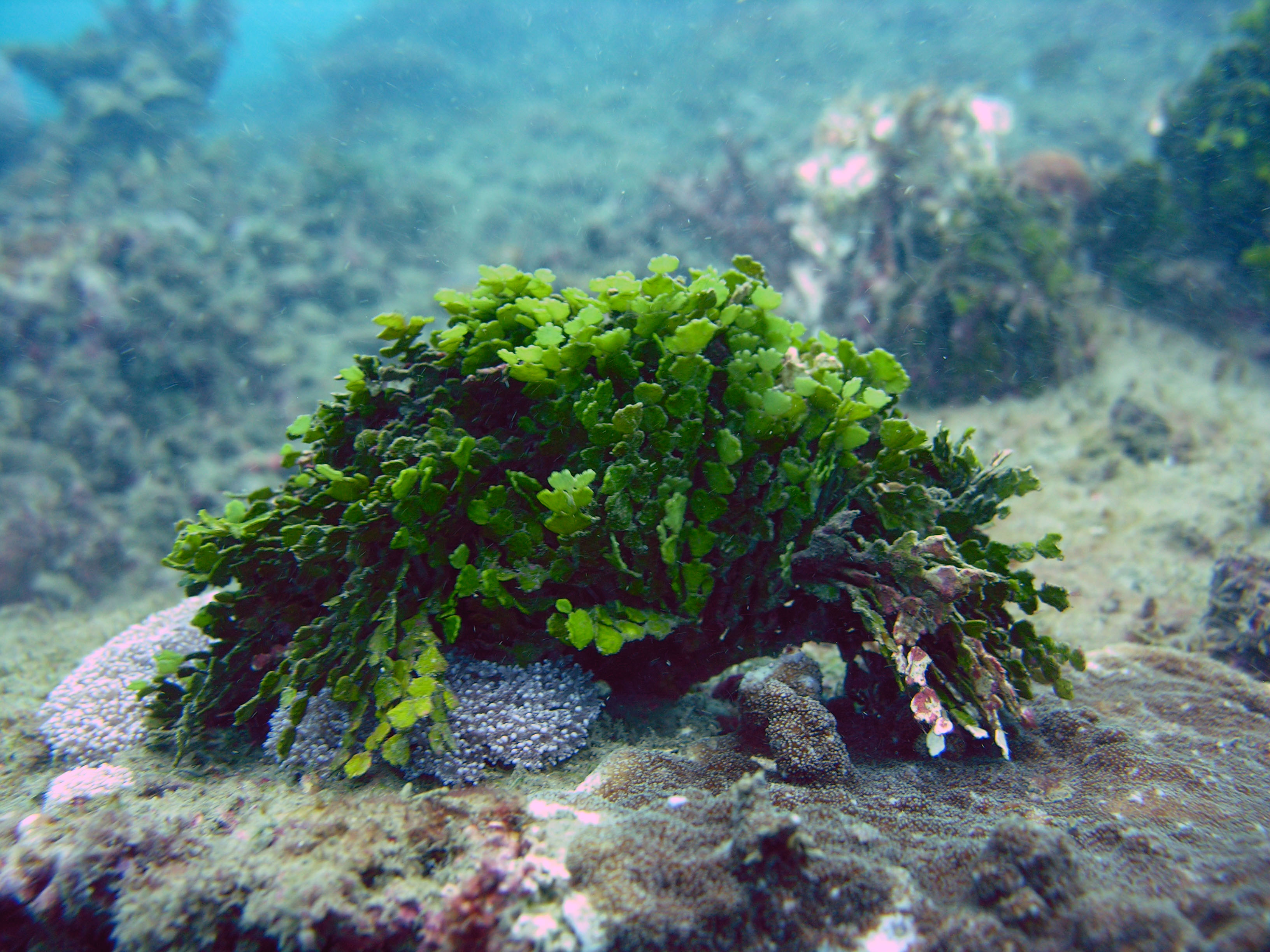
Caulerpa racemosa is the grape-bunch Caulerpa, with rounded vesicles ('grapes') borne on creeping stolons. Like the feather Caulerpa (C. prolifera) it is a fast nutrient-export macro and an edible green ('sea grapes' / 'green caviar'), but it shares the genus's two big risks: it can 'go sexual' and crash a tank, and the genus is regulated/invasive in many places.

Halimeda (money plant)
Intermediate🐾 Pet-safe

Halimeda (money plant)

Halimeda sp.

Halimeda is a calcified green macroalgae made of stacked coin-shaped segments (hence "money plant") that grows like a small green cactus. It deposits calcium carbonate, so it draws down calcium and alkalinity, and looks attractive in both display and refugium settings.

Advanced🐾 Pet-safe

Jointed tuft algae

Cymopolia barbata

Cymopolia is a heavily calcified green macroalgae that grows as segmented, bead-like jointed stems, each cylinder topped with a small fuzzy green tuft of filaments — like a string of calcified beads with green pom-poms. It is a distinctive sculptural display macro, but like other calcified macros it demands stable calcium/alkalinity and a mature system.

Advanced⚠ Mildly toxic

Maiden's hair / turtle weed

Chlorodesmis fastigiata

Chlorodesmis grows as dense, vivid-green tufts of fine, soft, hair-like filaments, sold in the hobby as 'maiden's hair' (and known scientifically as turtle weed). It is a beautiful turf/display macro and a great microfauna refuge — BUT, unlike most macros, it is chemically defended and is NOT fully coral-safe: its tissue carries a toxic diterpene that can damage corals on contact.

Advanced🐾 Pet-safe

Mermaid fan

Udotea sp.

Udotea is a calcified green macroalgae that grows as a single fan-shaped blade on a stalk rooted in sand, resembling a small mermaid's fan. It is decorative but more demanding, needing a mature deep sand bed and stable calcium/alkalinity.

Intermediate🐾 Pet-safe

Red grape algae

Botryocladia occidentalis

Botryocladia is a striking red macroalgae that grows as clusters of hollow, fluid-filled, grape-like vesicles on short branches, giving it the trade name "red grape." It is a decorative display macro for refugiums and macro tanks. Despite the nickname "red grape caulerpa" it is NOT a Caulerpa (it is a red alga, Rhodophyta) and so is not subject to the Caulerpa sale bans — it can legally ship to states like California.

Red mangrove
Intermediate🐾 Pet-safe

Red mangrove

Rhizophora mangle

The red mangrove is a true vascular tree, not an alga, grown from a torpedo-shaped propagule in marine and brackish aquariums and refugiums for natural nutrient export and a unique emersed display. It removes nitrate and phosphate slowly through its roots while its leaves grow above the waterline.

Intermediate🐾 Pet-safe

Sargassum (pseudo-kelp)

Sargassum sp.

Sargassum is a brown macroalgae (Phaeophyceae) that mimics the look of true kelp, with leathery blades and small spherical gas-filled bladders (pneumatocysts) that keep its fronds buoyant. It makes a tall, kelp-like display macro and provides excellent shelter and pod/amphipod habitat. There are attached reef forms and free-floating ocean forms.

Beginner🐾 Pet-safe

Sea lettuce

Ulva lactuca

Ulva, or sea lettuce, is a bright-green macroalgae that grows as thin, translucent, ruffled leaf-like sheets (a thallus only two cells thick). It is a fast-growing nutrient exporter for refugiums AND an excellent live vegetable food for herbivorous fish such as tangs and angelfish. Easy and hardy, but its speed means it can sheet over a tank if nutrients run high.

Advanced🐾 Pet-safe

Shaving brush plant

Penicillus sp.

Penicillus is a calcified green macroalgae that grows as a single stalk topped with a brush-like tuft of filaments, exactly like a shaving brush, rooted into sand. It is decorative but, like other Caribbean calcified algae, it needs a mature deep sand bed and stable mineral chemistry.

4

Everything else

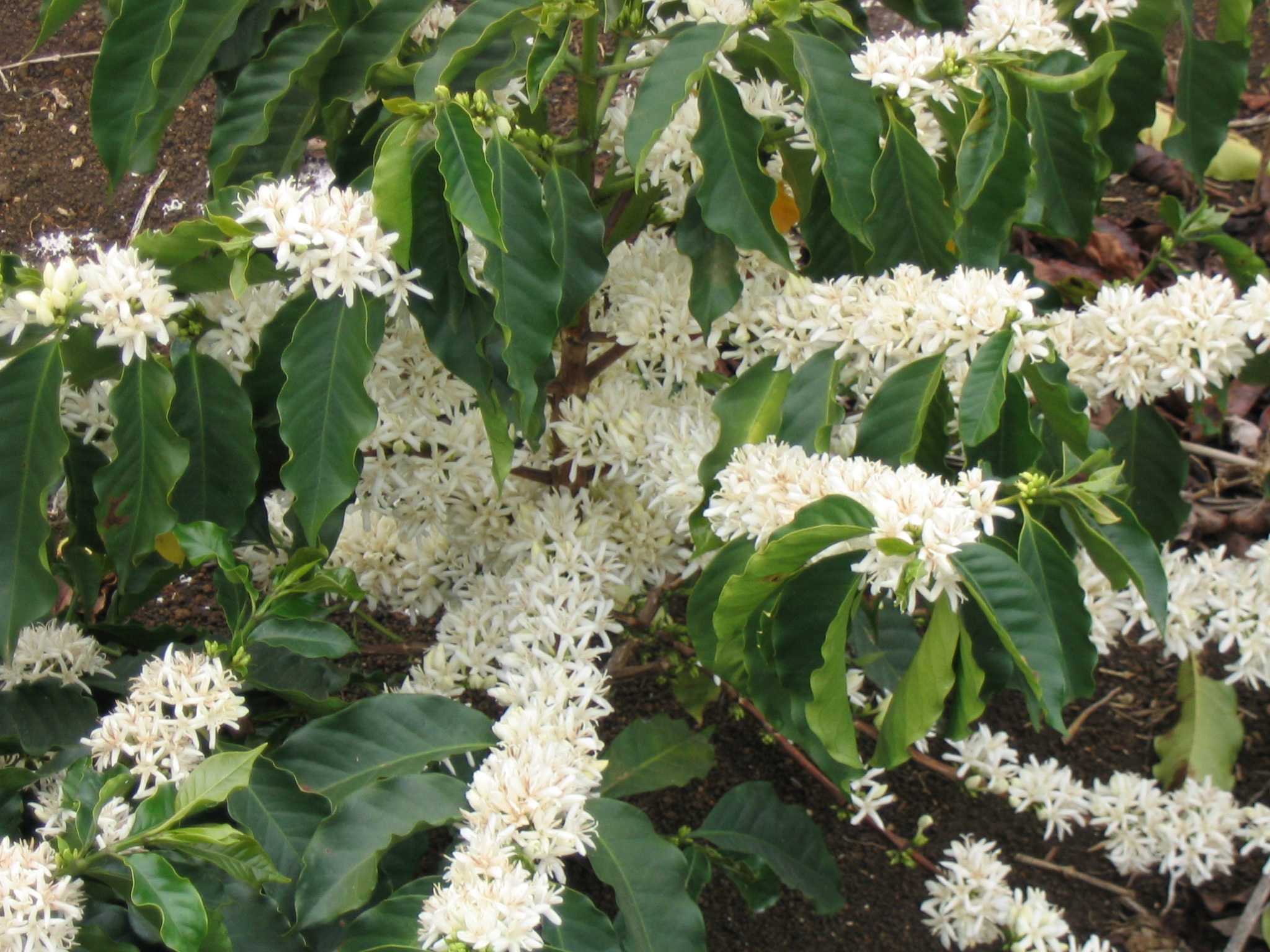
Coffee Plant
Intermediate⚠ Toxic to pets

Coffee Plant

Coffea arabica

The same plant that produces coffee beans makes a handsome glossy-leaved houseplant, growing as a small shrub indoors. Mature plants can flower and even fruit, but the whole plant is toxic to pets because of caffeine.

Lucky Bamboo
Beginner⚠ Toxic to pets

Lucky Bamboo

Dracaena sanderiana

Despite its name and look, lucky bamboo is not a bamboo at all but a Dracaena, often grown in water with decorative pebbles. It is famously easy and a fixture of feng shui gifts — but it is toxic to cats and dogs.

Money Tree
Beginner🐾 Pet-safe

Money Tree

Pachira aquatica

The money tree is a glossy, palmate-leaved tropical often sold with its trunks braided together, popular as a feng shui good-fortune plant. It is forgiving, attractive, and pet-safe.

Norfolk Island Pine
Intermediate⚠ Mildly toxic

Norfolk Island Pine

Araucaria heterophylla

Not a true pine but an ancient Southern-Hemisphere conifer, the Norfolk Island pine is grown indoors for its tiered, symmetrical, soft-needled branches — often as a living Christmas tree. It wants bright light and steady humidity.