Aquatic PlantsAdvancedBright indirect
Glossostigma
Glossostigma elatinoides · also called Glosso, Small mud-mat, Mud mat
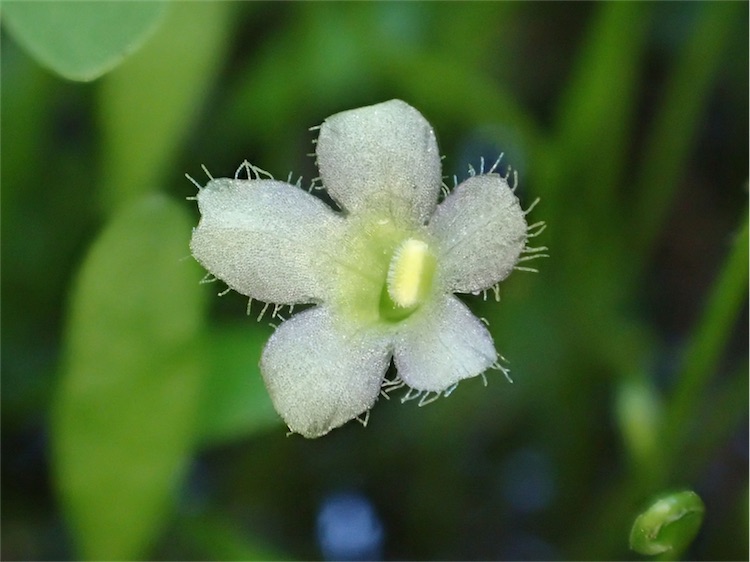
Photo: Murray Fagg · CC BY-SA 3.0
Generally non-toxic to cats and dogs.
A classic, fast-growing carpeting plant with tiny paired spoon-shaped leaves on creeping stems. Forms a beautiful low lawn but is famously light-hungry and grows upward if under-lit. Formerly placed in Scrophulariaceae, now classified in Phrymaceae.
Educational only. KinStation content is reviewed by licensed veterinarians but cannot replace an in-person exam. Always consult a licensed veterinarian or board-certified specialist for diagnosis, treatment, or any decision affecting your pet's health.
Quick facts
| Category | Aquatic Plants |
| Family | Phrymaceae |
| Native origin | New Zealand and Australia (including Tasmania) |
| Care difficulty | Advanced |
| Light | Bright indirect |
| Pet toxicity | Pet-safe |
Light
High light (around 50-80+ PAR at substrate) is essential. This is one of the most light-demanding carpet plants; under inadequate light it grows tall and vertical instead of creeping flat, ruining the carpet effect. The 'bright_indirect' value here is used as the closest high-light option.
Water
Temperature 15-26 C, pH 5.5-7.5, soft to moderately hard water (low-to-moderate GH/KH preferred). Needs steady water-column fertilisation, especially iron and macros, to fuel its rapid growth.
Soil & potting
Plant in nutrient-rich aquasoil for best results; root tabs are important in inert substrates because it is a heavy root feeder. Plant in small pinches pressed into the substrate. It can lift the substrate over time as it builds layers and may need periodic thinning/replanting to stay flat. It is substrate-rooted, not an epiphyte.
Environment — humidity, temperature, placement
Pressurised CO2 is strongly recommended (practically required) for a flat, dense, healthy carpet. Good flow and high light keep growth horizontal. Foreground placement. Grows emersed in nature and in nurseries; converts to submersed form after planting.
Propagation
Spreads aggressively via creeping runners/stems that root at the nodes. Propagate by trimming and replanting cuttings or dividing the mat. Frequent trimming is needed to keep it low and prevent the lower layers from rotting and detaching.
Toxicity detail
Non-toxic and safe for fish and shrimp. Not specifically restricted in the mainstream aquarium hobby, but as a vigorous wetland creeper (and a noted introduced/weedy species outside its native range) it should never be released into natural waterways; dispose of excess in the trash.
Growth stages
How this plant changes through its life — each stage often has its own care, diet and space needs.
Sources
- Tropica - Glossostigma elatinoides plant database (care guide)
- Wikipedia - Glossostigma elatinoides (encyclopedia)