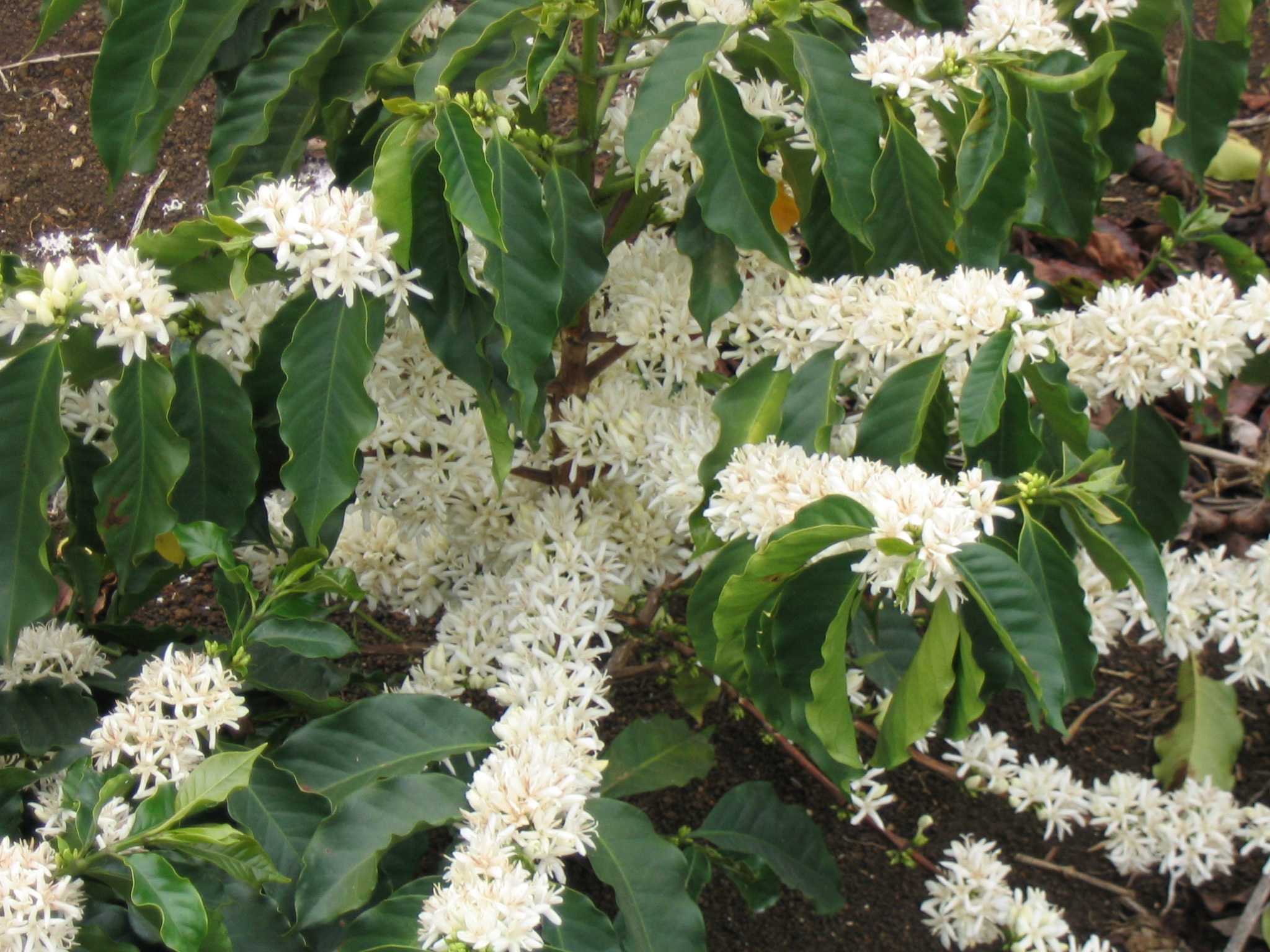
Coffea arabica · also called Arabica coffee, Arabian coffee, Coffee tree, Coffea
Photo: Marcelo Corrêa · CC BY-SA 3.0
Toxic to pets
Toxic to cats and/or dogs — keep out of reach.
The same plant that produces coffee beans makes a handsome glossy-leaved houseplant, growing as a small shrub indoors. Mature plants can flower and even fruit, but the whole plant is toxic to pets because of caffeine.
ℹ️
Educational only. KinStation content is reviewed by licensed veterinarians but cannot replace an in-person exam. Always consult a licensed veterinarian or board-certified specialist for diagnosis, treatment, or any decision affecting your pet's health.
Quick facts
Category
Other
Family
Rubiaceae
Native origin
Highland forests of Ethiopia (and South Sudan / Kenya region)
Care difficulty
Intermediate
Light
Bright indirect
Pet toxicity
Toxic to pets
Light
Coffee plants want bright, indirect light, mimicking their native life as understory shrubs beneath taller forest trees. Avoid harsh direct sun, which scorches and bleaches the glossy leaves, but too little light slows growth and prevents flowering. An east window or a bright spot out of direct rays is ideal.
Water
Keep the soil consistently lightly moist during active growth, watering when the top inch begins to dry — coffee dislikes both drying out completely (which browns the leaf edges) and sitting waterlogged (which rots the roots). It is somewhat fussy about consistency. Reduce watering modestly in winter, and use water low in salts if leaf tips brown.
Soil & potting
Use a rich, well-draining, slightly acidic potting mix with plenty of organic matter and added perlite for drainage. Coffee prefers an acidic root zone, reflecting its forest-floor origins, and resents heavy, soggy, or alkaline soil. Repot every couple of years as it grows, and feed during the growing season for healthy foliage.
Environment — humidity, temperature, placement
As a tropical highland plant, coffee likes warmth, moderate-to-high humidity, and protection from cold; it is frost-tender and suffers below the mid-50s F. Dry indoor air browns the leaf tips, so a humid room, pebble tray, or humidifier helps. Keep it warm, away from cold drafts, and in stable conditions for best growth and any chance of flowering.
Propagation
Coffee is grown from fresh seed (the green 'bean'), which must be sown soon after harvest as it loses viability quickly, and from semi-hardwood stem cuttings, which root slowly in warm, humid conditions. Indoors a plant may take several years to mature enough to produce its fragrant white flowers and red 'cherry' fruits. Seed from your own plant, if it fruits, is the most common home method.
Toxicity detail
Toxic to cats and dogs. The ASPCA lists the Coffee Tree (Coffea arabica) as toxic to both cats and dogs because of caffeine; ingestion can cause vomiting, diarrhea, and with larger amounts the effects of caffeine toxicity such as a racing heart, restlessness, tremors, and in serious cases more dangerous cardiac and neurological signs. The beans and any brewed coffee are an additional caffeine hazard. Keep the plant and all coffee products away from pets and contact a veterinarian or animal poison control promptly if ingested. Source: ASPCA Animal Poison Control toxic-plant database.
Origin & history
Coffea arabica originated in the highland forests of Ethiopia, where the stimulating effect of its seeds was discovered centuries ago, before cultivation spread through the Arabian Peninsula — Yemen's port of Mocha lent its name to the drink — and then around the tropical world. It accounts for the majority of the world's coffee and is the source of most specialty coffee. As a houseplant it is a relatively recent novelty, letting growers raise the famous crop on a windowsill.
Growth stages
How this plant changes through its life — each stage often has its own care, diet and space needs.
Photo coming soon
Seed
Most plants begin as a seed (or spore in ferns) — a dormant package holding the embryo and a food reserve within a protective coat. Given moisture, warmth, and sometimes light, the seed breaks dormancy and germinates.
Photo coming soon
Seedling
The seedling emerges with a root and its first leaves (cotyledons), then true leaves. It is tender and shallow-rooted, dependent on steady moisture and light as it establishes the beginnings of stem and root systems.
Photo coming soon
Vegetative growth
In the vegetative phase the plant focuses on growing roots, stems, and foliage, building the size and structure it needs before flowering. This is the main period of leafing out and, for many houseplants, the stage at which they are grown and propagated.
Mature / Flowering
A mature plant reaches its full habit and, when conditions and age allow, flowers and sets seed (or, for foliage plants, simply attains its full adult size and form). This is the stage shown in most reference photos.
Problems & solutions
Each problem lists a proven fix (horticulture / extension-backed) and, where useful, an anecdotal remedy from the grower community — clearly labeled so you can judge for yourself.
Brown leaf edges and tips
mild
Symptoms:The margins and tips of the glossy leaves turn brown and crispy.
Likely cause:Low humidity, dry air, inconsistent watering (especially letting the plant dry out), or salt buildup from tap water or fertilizer.
✓ Proven fix
Keep the soil evenly lightly moist, raise humidity with a pebble tray or humidifier, and use low-salt or filtered water, flushing the pot periodically. Trim damaged edges for appearance; they will not regreen.
◇ Anecdotal remedy — grower lore, unverified
Growers in dry homes often cluster coffee with other humidity-loving tropicals or run a humidifier nearby, reporting cleaner leaf margins.
Leaf scorch from direct sun
mild
Symptoms:Pale, bleached, or brown scorched patches appear on leaves exposed to strong direct sunlight.
Likely cause:Too much harsh direct sun. Coffee is an understory plant adapted to filtered light and burns in intense, unfiltered sun, especially behind glass.
✓ Proven fix
Move the plant to bright indirect light, out of direct midday sun, or filter the light with a sheer curtain. New growth will come in healthy once the light is right; scorched leaves can be removed.
◇ Anecdotal remedy — grower lore, unverified
Owners often find a spot a few feet back from a bright window keeps the foliage its deepest glossy green without scorching.
Yellowing leaves and root rot (overwatering)
moderate
Symptoms:Leaves yellow and drop, the plant looks tired, and roots may be brown and mushy.
Likely cause:Overwatering or heavy, poorly draining soil keeping the roots wet. Coffee wants consistent light moisture, not sogginess.
✓ Proven fix
Water when the top inch begins to dry, grow in a rich but well-draining, slightly acidic mix in a pot with drainage, and never leave it standing in water. Trim soft roots and repot into fresh mix if rot has begun.
◇ Anecdotal remedy — grower lore, unverified
Many growers let the surface dry slightly between waterings and report steadier growth than with a rigid watering schedule.
Anecdotes & grower lore
Community experience and cultural notes — not horticultural guarantees. Conditions vary by home; treat these as colour, not prescriptions.
Coffee lovers are charmed by the idea of growing their own beans, and a common (mostly tongue-in-cheek) ambition is to harvest enough cherries from a windowsill plant to brew a single home-grown cup — which, given how few beans a small indoor plant yields, can take years and a lot of patience. Owners delight when a mature plant finally produces its jasmine-scented white blossoms, followed by green berries that ripen to bright red 'cherries.' The plant's link to the morning ritual gives it a special place among houseplants, even though most are grown purely for their handsome glossy foliage.
Reviewed and signed off by: KinStation Editorial — pre-launch draft (pending horticulture review) on 2026-05-28