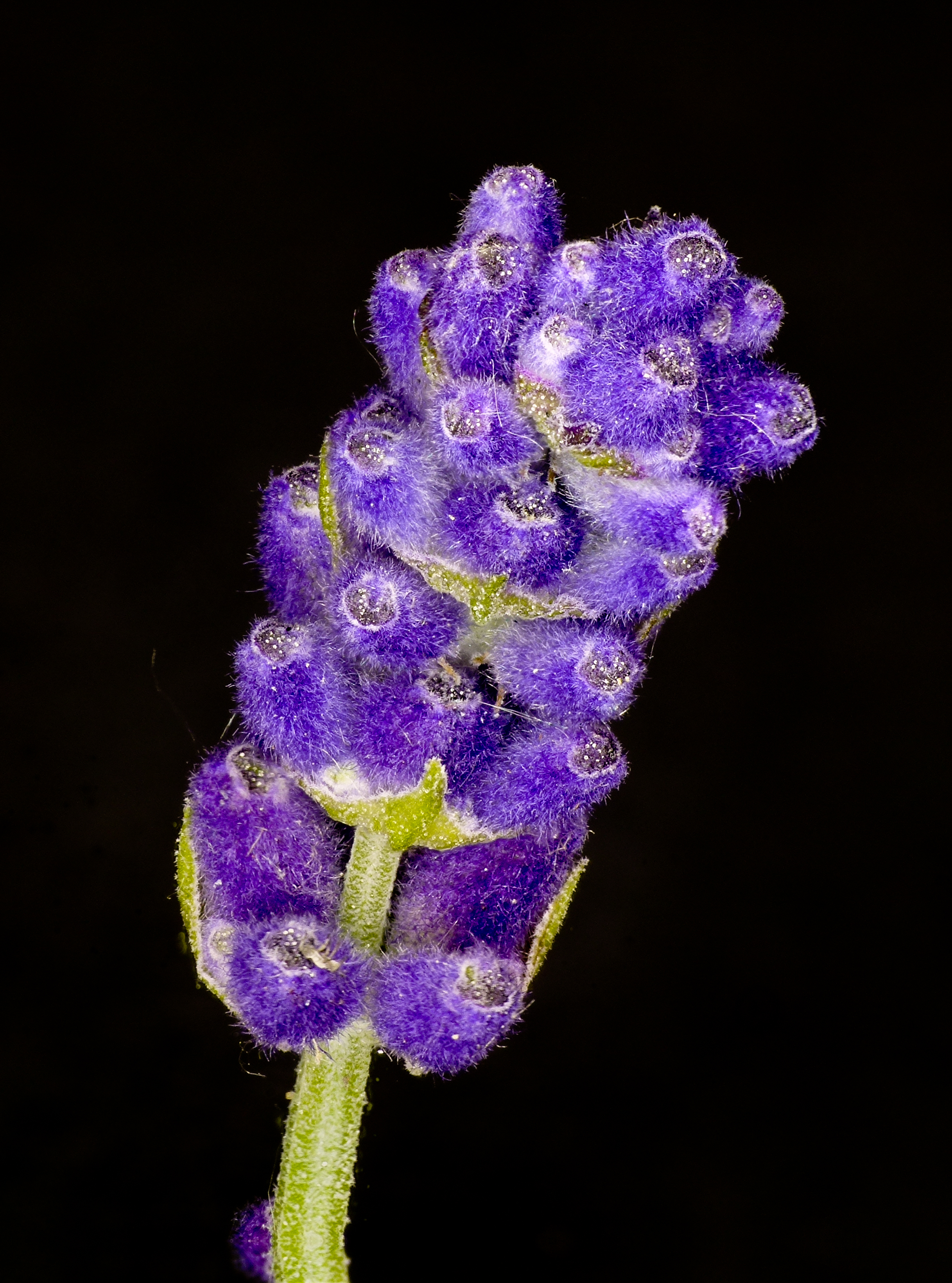
Lavandula angustifolia · also called Common lavender, True lavender, Garden lavender, Lavandula
Toxic to pets
Toxic to cats and/or dogs — keep out of reach.
A woody, gray-leaved Mediterranean shrub prized for its fragrant purple flower spikes, English lavender demands full sun and lean, sharply drained soil. It is a sun-and-dryness plant that hates wet, rich conditions.
ℹ️
Educational only. KinStation content is reviewed by licensed veterinarians but cannot replace an in-person exam. Always consult a licensed veterinarian or board-certified specialist for diagnosis, treatment, or any decision affecting your pet's health.
Quick facts
Category
Herbs & Edible
Family
Lamiaceae
Native origin
Mediterranean Basin (highlands of southern Europe)
Care difficulty
Intermediate
Light
Full sun
Pet toxicity
Toxic to pets
Light
Lavender needs full, blazing sun — at least six to eight hours daily — to flower well and stay compact; it is a poor choice for a dim windowsill. In too little light it grows leggy, floppy, and reluctant to bloom. Outdoors, give it the hottest, brightest, most open position you have.
Water
Water established lavender deeply but infrequently, letting the soil dry well between drinks — it is highly drought-tolerant and is far more often killed by overwatering and damp roots than by dryness. Young plants need some regular water to establish, after which less is more. Soggy soil, especially in winter, is fatal.
Soil & potting
Lavender demands lean, gritty, sharply draining soil and even tolerates poor, alkaline ground; rich, heavy, water-retentive soil leads to weak growth and rot. Mix plenty of grit, sand, or perlite into containers and ensure excellent drainage. Avoid heavy mulches against the stems, which trap moisture.
Environment — humidity, temperature, placement
As a Mediterranean shrub, lavender thrives in hot, dry, sunny, breezy conditions and dislikes humid, stagnant air, which encourages fungal disease. English lavender (L. angustifolia) is the most cold-hardy lavender and overwinters outdoors in many temperate gardens, unlike the tenderer French and Spanish types. Good airflow is as important to its health as sun.
Propagation
Lavender is most reliably grown from softwood or semi-ripe cuttings: take a non-flowering shoot, strip the lower leaves, and root it in a gritty, barely moist mix. Seed is slow and the seedlings vary, so named cultivars are cloned from cuttings. Cuttings also let you replace the woody, sparse plants that lavender becomes after several years.
Toxicity detail
Toxic to cats and dogs. The ASPCA lists Lavender (Lavandula angustifolia) as toxic to both cats and dogs because of the compounds linalool and linalyl acetate; ingestion can cause nausea, vomiting, and reduced appetite. The fresh plant is much less concentrated than lavender essential oil, which is more dangerous and should never be applied to or ingested by pets. Keep plants and especially oils away from pets and consult a veterinarian if a significant amount is eaten. Source: ASPCA Animal Poison Control toxic-plant database.
Origin & history
Lavender has been cultivated since antiquity around the Mediterranean for its fragrance, oils, and reputed calming properties; the name comes from the Latin 'lavare,' to wash, reflecting its long use in soaps and baths. English lavender (Lavandula angustifolia) became the classic source of fine lavender oil and the backbone of perfumery and cottage gardens. The famous purple fields of Provence are largely lavandin, a hybrid, but L. angustifolia remains the prized 'true' lavender.
Growth stages
How this plant changes through its life — each stage often has its own care, diet and space needs.
Photo coming soon
Seed
Most plants begin as a seed (or spore in ferns) — a dormant package holding the embryo and a food reserve within a protective coat. Given moisture, warmth, and sometimes light, the seed breaks dormancy and germinates.
Photo coming soon
Seedling
The seedling emerges with a root and its first leaves (cotyledons), then true leaves. It is tender and shallow-rooted, dependent on steady moisture and light as it establishes the beginnings of stem and root systems.
Photo coming soon
Vegetative growth
In the vegetative phase the plant focuses on growing roots, stems, and foliage, building the size and structure it needs before flowering. This is the main period of leafing out and, for many houseplants, the stage at which they are grown and propagated.
Mature / Flowering
A mature plant reaches its full habit and, when conditions and age allow, flowers and sets seed (or, for foliage plants, simply attains its full adult size and form). This is the stage shown in most reference photos.
Problems & solutions
Each problem lists a proven fix (horticulture / extension-backed) and, where useful, an anecdotal remedy from the grower community — clearly labeled so you can judge for yourself.
Root rot and dieback from wet feet
severe
Symptoms:Sections of the plant grey out, brown, and die back; the base may turn soft and the whole plant can collapse.
Likely cause:Overwatering or heavy, poorly drained soil keeping the roots wet, especially over winter. Lavender's Mediterranean roots cannot tolerate constant moisture.
✓ Proven fix
Plant in lean, gritty, sharply drained soil, water sparingly and only once the soil has dried, and avoid winter wet by improving drainage or growing in raised beds or pots. Do not mulch heavily against the stems.
◇ Anecdotal remedy — grower lore, unverified
Many gardeners top-dress around lavender with gravel or coarse grit, claiming the dry collar keeps the base from rotting in damp weather.
Woody, bare, sparse center
mild
Symptoms:Older plants become woody and leggy with bare stems at the base and flowering pushed out to the tips.
Likely cause:Lavender naturally turns woody with age, especially if never pruned; once stems are bare and brown they rarely resprout.
✓ Proven fix
Prune lightly each year after flowering, cutting back into the soft growth but never into bare old wood, to keep the plant compact for longer. When a plant becomes too woody, replace it from cuttings.
◇ Anecdotal remedy — grower lore, unverified
Experienced growers treat lavender as a relatively short-lived shrub and routinely root cuttings every few years to have replacements ready before the old plant gives out.
Few flowers and floppy growth
mild
Symptoms:The plant grows lax and leafy but produces few of its signature fragrant flower spikes.
Likely cause:Too little sun, or soil that is too rich and moist, which pushes soft leafy growth at the expense of flowers.
✓ Proven fix
Give the plant full, direct sun all day and grow it lean — poor, gritty soil with minimal feeding actually improves flowering. Move container plants to the hottest, brightest spot available.
◇ Anecdotal remedy — grower lore, unverified
Gardeners often say lavender 'blooms best where nothing else will grow,' deliberately siting it in hot, poor, dry corners for the most flowers and fragrance.
Anecdotes & grower lore
Community experience and cultural notes — not horticultural guarantees. Conditions vary by home; treat these as colour, not prescriptions.
Lavender is steeped in soothing folklore — sachets tucked among linens to scent them and deter moths, sprigs under pillows said to bring restful sleep, and bundles hung by doors for calm and good fortune. Beekeepers prize it as a magnet for bees and butterflies, and gardeners trade the satisfying ritual of harvesting and drying the spikes just as the buds color but before they fully open. A common refrain among growers is that lavender 'wants to be neglected,' punishing kindness in the form of rich soil and extra water.
Reviewed and signed off by: KinStation Editorial — pre-launch draft (pending horticulture review) on 2026-05-28