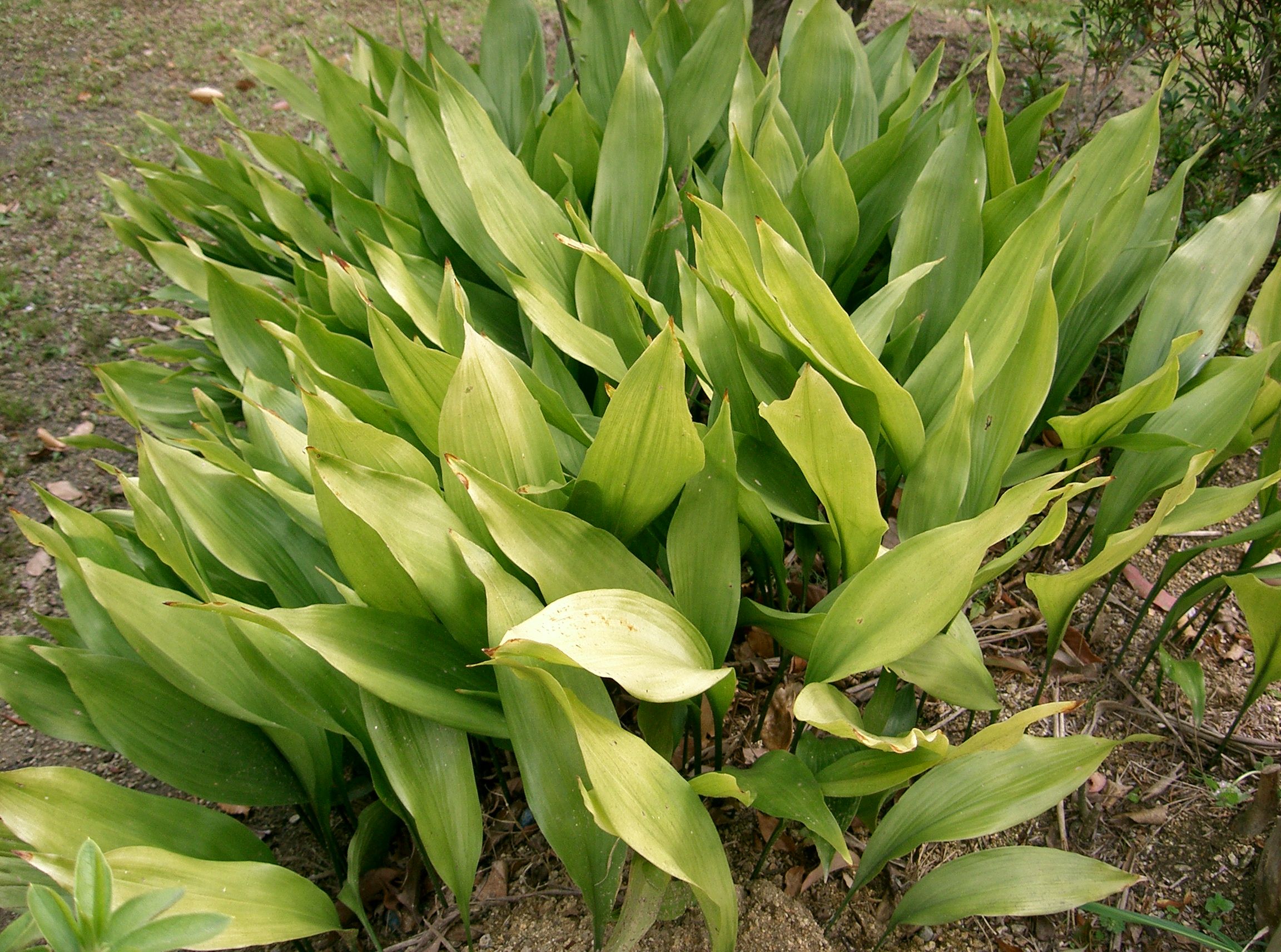
Aspidistra elatior · also called Bar room plant, Iron plant, Variegated cast iron plant
Photo: KENPEI · CC BY-SA 3.0
Pet-safe
Generally non-toxic to cats and dogs.
True to its name, the cast iron plant is nearly indestructible, with broad, glossy, dark-green leaves that thrive in deep shade and tolerate neglect, dust, and irregular care. Slow-growing and undemanding, it is also safely pet-friendly.
ℹ️
Educational only. KinStation content is reviewed by licensed veterinarians but cannot replace an in-person exam. Always consult a licensed veterinarian or board-certified specialist for diagnosis, treatment, or any decision affecting your pet's health.
Quick facts
Category
Foliage
Family
Asparagaceae
Native origin
Islands of southern Japan and Taiwan
Care difficulty
Beginner
Light
Low light
Pet toxicity
Pet-safe
Light
The cast iron plant is one of the most shade-tolerant houseplants, growing happily in low light where few others survive, which made it a Victorian parlor staple. It does best in low to medium indirect light and should be kept out of direct sun, which scorches and bleaches its leaves. Variegated forms need a little more (but still indirect) light to hold their stripes.
Water
Water when the top inch or two of soil dries, then water thoroughly and drain; it tolerates occasional dryness well and dislikes being kept soggy. Slow-growing and drought-tolerant, it is far more easily harmed by overwatering than by neglect, needing much less water in winter. Let the soil approach dryness rather than keeping it constantly moist.
Soil & potting
Use a standard, well-draining potting mix. The plant is undemanding about soil and is content being pot-bound, growing slowly from thick rhizomes. Repot only every few years when it has clearly outgrown its container, as it resents frequent disturbance.
Environment — humidity, temperature, placement
Exceptionally tolerant, the cast iron plant copes with a wide range of ordinary household temperatures and humidity, fluctuations, drafts, and even neglect, preferring to stay above freezing and out of intense heat. Wiping the broad leaves with a damp cloth keeps them glossy and free of the dust they readily collect. It is among the easiest plants for difficult, dim spots.
Propagation
Propagate by division: at repotting, separate the rhizome clump into sections, each with several leaves and a portion of root, and pot them individually. Because the plant grows slowly, division is the practical method and gives instant, established new plants. Keep divisions lightly watered while they settle.
Toxicity detail
Safe (non-toxic) to cats and dogs. The ASPCA lists Aspidistra elatior (cast iron plant) as non-toxic, making it an excellent choice for homes with pets. It contains no known toxins; as with any plant, a pet that eats a large quantity could experience mild, temporary digestive upset, but it poses no significant poisoning risk. Source: ASPCA Animal Poison Control toxic-plant database.
Origin & history
Aspidistra elatior is native to the shaded forest floors of southern Japan and Taiwan, an origin that explains its remarkable low-light tolerance. It became wildly popular in Victorian and Edwardian Britain, where it endured the gas fumes, dim light, and dust of parlors so reliably that it became a symbol of middle-class respectability — immortalized in the title of George Orwell's novel 'Keep the Aspidistra Flying.' Its toughness earned it the enduring 'cast iron' name.
Growth stages
How this plant changes through its life — each stage often has its own care, diet and space needs.
Photo coming soon
Seed
Most plants begin as a seed (or spore in ferns) — a dormant package holding the embryo and a food reserve within a protective coat. Given moisture, warmth, and sometimes light, the seed breaks dormancy and germinates.
Photo coming soon
Seedling
The seedling emerges with a root and its first leaves (cotyledons), then true leaves. It is tender and shallow-rooted, dependent on steady moisture and light as it establishes the beginnings of stem and root systems.
Photo coming soon
Vegetative growth
In the vegetative phase the plant focuses on growing roots, stems, and foliage, building the size and structure it needs before flowering. This is the main period of leafing out and, for many houseplants, the stage at which they are grown and propagated.
Mature / Flowering
A mature plant reaches its full habit and, when conditions and age allow, flowers and sets seed (or, for foliage plants, simply attains its full adult size and form). This is the stage shown in most reference photos.
Problems & solutions
Each problem lists a proven fix (horticulture / extension-backed) and, where useful, an anecdotal remedy from the grower community — clearly labeled so you can judge for yourself.
Brown, scorched leaves
mild
Symptoms:Leaves develop bleached, pale, or brown scorched patches, often after exposure to bright light.
Likely cause:Direct sunlight, to which this deep-shade plant is highly sensitive; the leaves bleach and burn in strong light. Cold drafts can also damage the foliage.
✓ Proven fix
Move the plant out of direct sun into low or medium indirect light. Damaged leaves will not recover and can be removed at the base; new growth will be healthy in appropriate shade.
◇ Anecdotal remedy — grower lore, unverified
Growers who move a cast iron plant outdoors for summer often report it scorches badly unless kept in full shade, and bring it back to a dim indoor corner where it thrives.
Brown leaf tips
mild
Symptoms:The tips of the leaves turn brown and dry.
Likely cause:Salt and mineral buildup from fertilizer or tap water, underwatering, or low humidity. Over-fertilizing this slow grower is a common contributor.
✓ Proven fix
Flush the soil occasionally to clear salts, fertilize sparingly (this slow plant needs little), and keep watering consistent. Trim browned tips for appearance.
◇ Anecdotal remedy — grower lore, unverified
Many keepers find that easing off fertilizer almost entirely, given how slowly the plant grows, stops recurring tip browning.
Yellowing leaves / soft base (overwatering)
moderate
Symptoms:Leaves yellow and the base of the plant becomes soft, with a sour-smelling soil.
Likely cause:Overwatering and poor drainage causing root and rhizome rot — the main way this otherwise indestructible plant can be killed.
✓ Proven fix
Let the soil dry out more between waterings, ensure the pot drains freely, and water sparingly especially in winter. If rot has set in, unpot, remove soft tissue, and repot firm rhizome sections in fresh mix.
◇ Anecdotal remedy — grower lore, unverified
Long-time growers say the only real way to harm a cast iron plant is 'kindness with the watering can,' and recommend erring well on the dry side.
Anecdotes & grower lore
Community experience and cultural notes — not horticultural guarantees. Conditions vary by home; treat these as colour, not prescriptions.
The cast iron plant is the patron saint of plant-killers, with owners trading stories of specimens that survived being forgotten in basements, dark hallways, and unheated rooms for years. Its Victorian heyday left it a slightly old-fashioned, nostalgic reputation — the plant of grandmothers' parlors — though pet owners and low-light sufferers have rediscovered it with enthusiasm. It rarely flowers indoors, and when it does, the curious small purplish blooms appear at soil level, hidden under the leaves, a quirk that delights the keepers lucky enough to spot them.
Reviewed and signed off by: KinStation Editorial — pre-launch draft (pending horticulture review) on 2026-05-28