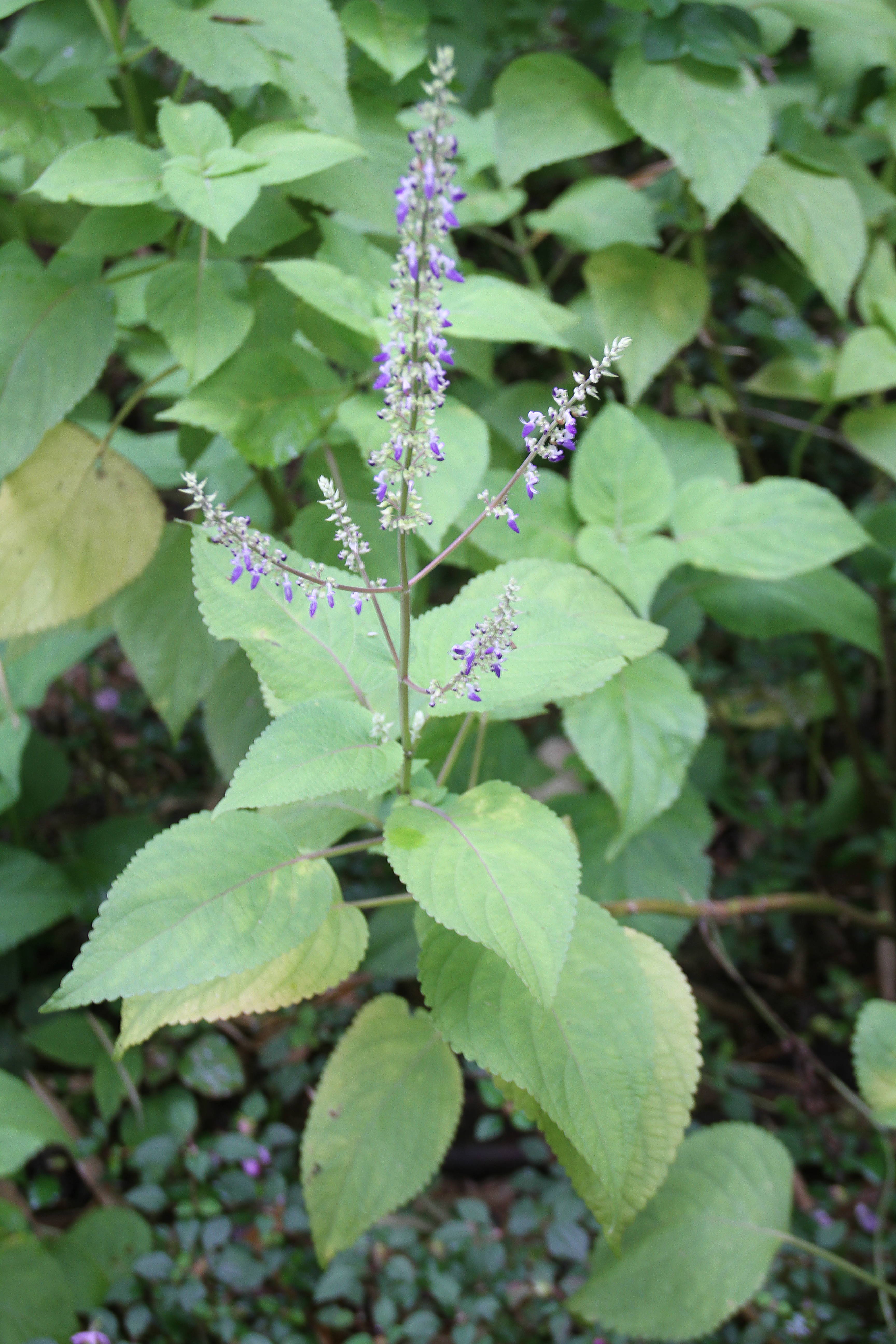
Coleus scutellarioides · also called painted nettle, flame nettle, Plectranthus scutellarioides, Solenostemon
Photo: Bjoertvedt · CC BY-SA 4.0
Mildly toxic
Can cause mild irritation or GI upset if chewed.
Grown almost entirely for its electric foliage — leaves in clashing combinations of lime, burgundy, pink, orange, and near-black, often edged or veined in contrasting color. A member of the mint family, it is fast, easy, and endlessly variable, but its sap is mildly toxic to pets.
ℹ️
Educational only. KinStation content is reviewed by licensed veterinarians but cannot replace an in-person exam. Always consult a licensed veterinarian or board-certified specialist for diagnosis, treatment, or any decision affecting your pet's health.
Quick facts
Category
Foliage
Family
Lamiaceae
Native origin
Southeast Asia and Australasia
Care difficulty
Beginner
Light
Bright indirect
Pet toxicity
Mildly toxic
Light
Light needs vary by cultivar: many modern coleus take bright light including some direct sun, which intensifies the colors, while older shade types prefer bright indirect light and can scorch in strong sun. Indoors, give it the brightest spot it tolerates without burning. Too little light dulls the colors and makes it leggy.
Water
Keep the soil consistently, evenly moist during active growth — coleus is thirsty and wilts quickly when dry, recovering after watering, but resents both drought and waterlogging. Water when the surface begins to dry and never let it sit in water. It needs more frequent watering in warm, bright conditions.
Soil & potting
Use a rich, well-draining potting mix that holds moisture; coleus grows fast and appreciates fertile soil. A pot with drainage holes prevents soggy roots. Regular feeding during the growing season supports its rapid, leafy growth.
Environment — humidity, temperature, placement
Coleus is a tender tropical that wants warmth and is damaged by cold — keep it above about 50-55F (10-13C) and away from chilly drafts. It enjoys moderate humidity. Pinch off the flower spikes as they form: letting it flower and set seed pushes the plant toward decline, so removing blooms keeps the foliage vigorous and the plant longer-lived.
Propagation
Propagate extremely easily from stem cuttings, which root within days to a couple of weeks in water or moist mix. Because coleus is tender and often treated as an annual, taking cuttings in late summer is the classic way to overwinter favorite color forms indoors. Pinching tips for bushiness conveniently supplies cuttings.
Toxicity detail
Mildly toxic to cats and dogs — coleus (Coleus scutellarioides, also sold as Plectranthus scutellarioides) is listed by the ASPCA as toxic, with effects considered mild. It contains essential oils (including diterpenoids) that can cause vomiting, diarrhea (sometimes bloody), drooling, and loss of appetite if ingested, and the sap may irritate skin. It is not usually life-threatening but should be kept away from pets that chew plants. If ingestion occurs, contact your veterinarian or the ASPCA Animal Poison Control Center. Source: ASPCA Animal Poison Control toxic plant database (Coleus / Plectranthus).
Origin & history
Native to Southeast Asia and Australasia, coleus has been bred for centuries for its foliage and has passed through several botanical names — Coleus blumei, Solenostemon scutellarioides, and Plectranthus scutellarioides among them — before settling on Coleus scutellarioides. It belongs to the mint family (Lamiaceae), evident in its square stems and spikes of small flowers. A Victorian bedding-plant craze and modern breeding have produced a staggering palette of leaf colors and patterns.
Growth stages
How this plant changes through its life — each stage often has its own care, diet and space needs.
Photo coming soon
Seed
Most plants begin as a seed (or spore in ferns) — a dormant package holding the embryo and a food reserve within a protective coat. Given moisture, warmth, and sometimes light, the seed breaks dormancy and germinates.
Photo coming soon
Seedling
The seedling emerges with a root and its first leaves (cotyledons), then true leaves. It is tender and shallow-rooted, dependent on steady moisture and light as it establishes the beginnings of stem and root systems.
Photo coming soon
Vegetative growth
In the vegetative phase the plant focuses on growing roots, stems, and foliage, building the size and structure it needs before flowering. This is the main period of leafing out and, for many houseplants, the stage at which they are grown and propagated.
Mature / Flowering
A mature plant reaches its full habit and, when conditions and age allow, flowers and sets seed (or, for foliage plants, simply attains its full adult size and form). This is the stage shown in most reference photos.
Varieties & cultivars
Natural forms are the wild species; cultivars are selectively-bred colour or variegation forms of the same plant.
Natural forms1
Wild green form
The plain species background: simple green, scallop-edged leaves before centuries of breeding for colour. Rarely grown today.
Tolerant of varied light; lacks the bred colour of named forms.
Cultivars3
Wizard series
Compact bedding coleus in named colours like Velvet Red, Golden, and Rose, each a different bold leaf pattern of red, maroon, lime or pink.
Brighter light deepens reds and pinks; deep shade pushes leaves toward green.
Kong series
Large-leaved cultivars with oversized leaves splashed in rose, scarlet and green. Dramatic, shade-leaning colour forms.
Prefer bright indirect light; intense midday sun can scorch the big leaves.
Black Dragon
Deep maroon-to-near-black ruffled leaves with bright magenta-red centres and frilled edges. Moody and ornate.
Bright light intensifies the dark colour and the red centre.
Problems & solutions
Each problem lists a proven fix (horticulture / extension-backed) and, where useful, an anecdotal remedy from the grower community — clearly labeled so you can judge for yourself.
Leggy growth and dull color
mild
Symptoms:Stems stretch tall and bare and the leaf colors look muted instead of vivid.
Likely cause:Too little light, and not pinching the growing tips, so the plant reaches and thins out.
✓ Proven fix
Give brighter light (the most it tolerates without scorching) and pinch the tips regularly to force dense, branching, colorful growth. Root the pinched cuttings to fill out the pot.
◇ Anecdotal remedy — grower lore, unverified
The community mantra is to pinch often and early, which growers credit for the difference between a lush mound and a bare-legged stalk.
Flowering and decline
mild
Symptoms:The plant pushes up spikes of small flowers, then grows leggy and loses vigor.
Likely cause:As a member of the mint family, coleus flowers and sets seed, which diverts energy from foliage and pushes the plant toward decline.
✓ Proven fix
Pinch off flower spikes as soon as they appear to keep the plant focused on lush foliage, and start fresh cuttings to carry favorite colors forward.
Sudden wilting
mild
Symptoms:The whole plant droops and wilts, especially in warm, bright spots.
Likely cause:Underwatering; coleus is thirsty and wilts fast when the soil dries, particularly in heat and strong light.
✓ Proven fix
Water thoroughly and the plant usually recovers quickly; keep the soil consistently moist (not soggy) and water more often in warm, bright conditions.
◇ Anecdotal remedy — grower lore, unverified
Many growers note coleus is a reliable 'wilt-o-meter' that tells you exactly when it (and sometimes its neighbors) needs water.
Anecdotes & grower lore
Community experience and cultural notes — not horticultural guarantees. Conditions vary by home; treat these as colour, not prescriptions.
Coleus collectors speak of the plant almost like living paint, trading cuttings of prized color forms with names as vivid as the leaves, and a Victorian 'coleus mania' once saw rare cultivars command high prices much like tulips before them. Growers pass along the firm rule to 'pinch, pinch, pinch' — both to keep the plant bushy and to deny it the flowering that hastens its decline — and many treat a favorite plant as effectively immortal, perpetually renewed from a windowsill jar of cuttings.
Reviewed and signed off by: KinStation Editorial — pre-launch draft (pending horticulture review) on 2026-05-28