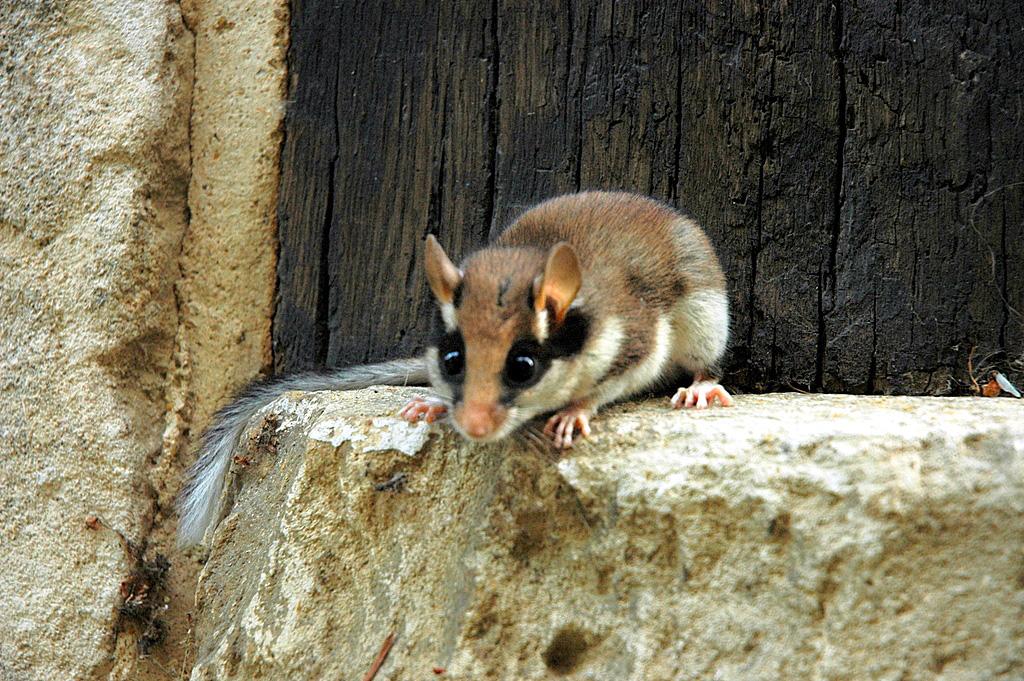
The garden dormouse is a boldly masked, big-eyed European glirid with a striking black-and-white tufted tail. A nocturnal, climbing specialist that naturally hibernates, it is a rarely kept, advanced display animal whose declining wild populations make captive sourcing and legality especially important.
ℹ️
Educational only. KinStation content is reviewed by licensed veterinarians but cannot replace an in-person exam. Always consult a licensed veterinarian or board-certified specialist for diagnosis, treatment, or any decision affecting your pet's health.
🩺 Need expert help with your garden dormouse?
Connect with a specialist near you or ask a licensed vet — never substitute online guidance for hands-on care in an emergency.
Body about 10-15 cm with a tufted, black-and-white tail of roughly 9-12 cm; weight around 45-120 g, heaviest before hibernation.
Lifespan
4–6 years
Social needs
pair
Native region
Europe (and into North Africa), in woodlands, rocky areas, orchards, and gardens.
Origin
Old World
Climate
🍂 Temperate
Family
Gliridae
Genus
Eliomys
Part of the Dormice
Small arboreal rodents of the family Gliridae, characterized by bushy tails, large eyes, nocturnal habits, and a tendency toward torpor in cool conditions. The pet-kept species are fast, delicate display animals that need tall, warm, escape-proof homes.
From the minimum an animal needs to be kept humanely, up to the ideal setup. Bigger is almost always better — minimums are floors, not targets.
Photo coming soon
Minimum
Tall arboreal vivarium
80 × 50 × 100 cm tall, planted
Garden dormice are arboreal — tall vivarium with branches, cork bark, nest boxes high up, a deep substrate floor, and a sand bath. Solo or compatible pair; provide a cool space for winter torpor.
Photo coming soon
Recommended
Planted aviary-style enclosure
100 × 60 × 150 cm tall, naturalistic
Naturalistic enclosure with live or fake plants, multiple branches at varied heights, several nest boxes, and a foraging substrate. They hibernate — provide a quiet cool space (5–10 °C) for several months.
Photo coming soon
Ideal
Outdoor planted aviary
Outdoor aviary 2+ sq m, planted
Predator-proof outdoor planted aviary with live trees, multiple nest boxes, dig substrate, and natural seasonal cues for hibernation. Closest to wild behaviour for this protected species (legality varies — check permits).
Life & growth stages
How this animal changes through its life — each stage often has its own care, diet and space needs.
Photo coming soon
Newborn
Newborn mammals are nursed on their mother's milk. Many are born helpless — blind, deaf, and sparsely furred (altricial, as in dogs, cats, and rodents) — while others stand and follow within hours (precocial, as in hoofed livestock).
Photo coming soon
Juvenile
After weaning, juveniles grow quickly and become increasingly active, playful, and independent. Adult coat, proportions, and (in many species) the permanent teeth come in as they approach full size.
Photo coming soon
Adult
Adults reach full body size and sexual maturity, with the species' mature coat and build. Sexual dimorphism — differences in size, mane, horns, or markings — is pronounced in some mammals and subtle in others.
Senior
Senior animals show aging signs such as graying fur, reduced activity, and a greater need for veterinary monitoring of joints, teeth, and organ function. Lifespan and the onset of old age vary widely by species and size.
Color & pattern variants
Natural variants occur in the wild; selectively bred (man-made) variants were developed in captivity.
Natural
representative
Wild-type
Sandy-brown to grey upperparts with a white belly, a bold black facial mask through the eyes, and a distinctive long tail ending in a black-and-white tuft; the only form, as the species is not color-bred.
Habitat & enclosure
Provide a tall, densely furnished, escape-proof aviary-style enclosure or large terrarium with abundant vertical structure — branches, cork tubes, ropes, and nest boxes high up — to satisfy this agile arboreal climber. They nest mostly singly but tolerate a compatible pair or small group outside the breeding season; give plenty of space and multiple nest sites to reduce conflict, and separate animals if fighting occurs. As a temperate species it experiences a natural seasonal cycle and tends toward hibernation/torpor when cool; keepers typically maintain stable, mild temperatures around 15-24 C (59-75 F) and decide deliberately whether to provide a controlled cool hibernation period, which is complex and best researched thoroughly. Good ventilation and moderate humidity suit them; avoid heat extremes.
Substrate
Use a dry, dust-free substrate such as aspen or paper bedding, with deep leaf litter, moss, and natural materials underfoot, plus elevated nest boxes filled with soft nesting material like hay, moss, and shredded paper for sleeping and hibernation. Avoid cedar and pine.
Equipment & setup
Tall, secure aviary or large terrarium with very fine escape-proofing, multiple elevated nest boxes, extensive branches and climbing furniture, a solid wheel, water bottle/dish, thermometer/hygrometer, and the means to provide a controlled cool period if hibernation is intended. No UVB required, though a natural light cycle supports seasonal behavior.
Diet
Garden dormice are notably omnivorous and insectivorous, so the diet must include substantial animal protein: insects (crickets, mealworms, roaches), plus eggs and occasional appropriate animal foods, alongside seeds, nuts, fruit, berries, and some vegetables. Vary the diet seasonally and fatten them appropriately before any planned hibernation. Avoid an all-seed diet, which is inadequate. Provide fresh water at all times via bottle or shallow dish.
Behavior & temperament
These dormice are nocturnal and agile; they are mainly solitary nesters but communal nesting and loose associations do occur, so a compatible pair or small group can work with care, communicating with squeaks and whistles. They are fast and delicate, and like other glirids can shed tail skin if grasped by the tail, so they are a watch-and-minimal-handle species. With patience they may take food from the hand, but they are not handling pets and stress easily. Their nightly climbing, leaping, and foraging make them captivating to observe. Hibernation behavior — building up fat and retreating to nest in cool periods — is a normal and important part of their biology.
Health
Specialist needs make them an advanced species. Key risks include inadequate protein/insect intake, obesity or improper condition around hibernation, tail-skin loss from mishandling, respiratory issues in poor ventilation, and stress in cramped or barren housing. Mismanaged hibernation (too warm, interrupted, or in poor body condition) can be dangerous, so the decision to hibernate must be informed and carefully controlled. The garden dormouse is in significant decline across parts of its European range and may be protected, so only ever keep documented captive-bred animals and verify local wildlife law.
Tips, DIY & hacks
Prioritize vertical space and many nest boxes for these arboreal climbers. Feed plenty of insects — protein is non-negotiable for dormice. Never lift by the tail, which can deglove. Research hibernation thoroughly before attempting it, and only ever keep captive-bred stock with attention to protected-species status. Treat them as a specialist display animal rather than a handling pet.