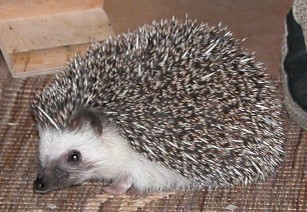
African pygmy hedgehogs are small spiny insectivores increasingly kept as exotic pets. They are solitary, primarily nocturnal, and legality varies significantly by U.S. state and city.
ℹ️
Educational only. KinStation content is reviewed by licensed veterinarians but cannot replace an in-person exam. Always consult a licensed veterinarian or board-certified specialist for diagnosis, treatment, or any decision affecting your pet's health.
🩺 Need expert help with your hedgehog (african pygmy)?
Connect with a specialist near you or ask a licensed vet — never substitute online guidance for hands-on care in an emergency.
Small, spiny, nocturnal insectivores kept as solitary pocket pets, best known as the African pygmy hedgehog.
More hedgehogs coming soon.
Sounds & video
🎬 Video
Atelerix albiventris
A. C. Tatarinov · Wikimedia Commons · CC BY-SA 4.0
Habitat & space requirements
From the minimum an animal needs to be kept humanely, up to the ideal setup. Bigger is almost always better — minimums are floors, not targets.
Photo coming soon
Minimum
Single-level enclosure
≈ 6 sq ft floor (e.g. 36 × 24 in)
A lone hedgehog (this species must be housed solitary) needs a minimum continuous floor of about 6 square feet with solid sides, a deep paper-based or fleece-liner substrate, a hide, and a large solid-surface exercise wheel of at least 12 in. Crucially it requires a controlled ambient temperature of 24–27 °C, as cooler rooms trigger dangerous attempted hibernation.
Photo coming soon
Recommended
Large bar-spaced or tub enclosure
≈ 8 sq ft floor (e.g. 48 × 24 in)
Aim for an 8 square foot single-level enclosure such as a large C&C grid or storage-tub setup with safe (non-mesh) flooring, deep absorbent bedding, multiple hides, tunnels, and a 12 in solid wheel for the miles a hedgehog runs nightly. Maintain 24–27 °C with a thermostat-controlled ceramic heat emitter, dig and forage opportunities, and house strictly alone since adults are solitary and will fight.
Photo coming soon
Ideal
Walk-in / room-scale habitat
10+ sq ft floor or hedgehog-proofed room
The ideal is a 10+ square foot enclosure or a dedicated hedgehog-proofed space with varied terrain, deep digging substrate, foraging and snuffle areas, multiple hides, tunnels, and a large solid wheel for natural roaming. Hold a stable 24–27 °C with regulated heating and humidity, kept solitary, so this nocturnal insectivore can express its full burrowing, exploring, and foraging repertoire.
Life & growth stages
How this animal changes through its life — each stage often has its own care, diet and space needs.
Photo coming soon
Newborn
Newborn mammals are nursed on their mother's milk. Many are born helpless — blind, deaf, and sparsely furred (altricial, as in dogs, cats, and rodents) — while others stand and follow within hours (precocial, as in hoofed livestock).
Photo coming soon
Juvenile
After weaning, juveniles grow quickly and become increasingly active, playful, and independent. Adult coat, proportions, and (in many species) the permanent teeth come in as they approach full size.
Photo coming soon
Adult
Adults reach full body size and sexual maturity, with the species' mature coat and build. Sexual dimorphism — differences in size, mane, horns, or markings — is pronounced in some mammals and subtle in others.
Senior
Senior animals show aging signs such as graying fur, reduced activity, and a greater need for veterinary monitoring of joints, teeth, and organ function. Lifespan and the onset of old age vary widely by species and size.
Color & pattern variants
Natural variants occur in the wild; selectively bred (man-made) variants were developed in captivity.
African pygmy hedgehogs are kept singly in a solid-bottom enclosure with as much unbroken floor space as you can provide — these are ground-dwelling animals that travel surprising distances at night, so wider beats taller. A large solid-surface running wheel is considered essential; wire-rung wheels can trap and injure feet. Provide hides, a dig box, and dust-free, paper-based or fleece bedding that does not catch on quills or limbs.
Ambient temperature is the single most important husbandry variable. This is a tropical species, and rooms that dip too cool can trigger an attempted hibernation (torpor) that they are not equipped to survive — torpid hedgehogs become wobbly, sluggish, and unresponsive. A controlled, steady warm range plus a consistent day/night light cycle keeps them active and eating. A space heater or ceramic heat emitter on a thermostat is safer than relying on household heating alone.
Because they are nocturnal and run for hours, locate the enclosure away from bedrooms. Keep the habitat clean and dry; damp, dirty bedding drives skin and respiratory problems. Many U.S. states and cities restrict or prohibit hedgehog ownership — check local laws before acquiring one.
Substrate
Line the enclosure with kiln-dried aspen, paper-based bedding, or washable fleece liners, all of which allow burrowing and are low-dust. Avoid cedar/pine shavings and any rough or pelleted substrate that can irritate the feet, and provide a snuggle sack or fleece-lined hide for daytime sleeping. Spot-clean daily, as they often poop on their wheel.
Equipment & setup
Use a large solid-bottom enclosure (minimum about 0.4 m²) with a controlled ambient temperature of 24-27 C maintained by a thermostat-regulated ceramic heat emitter, since cold triggers dangerous attempted hibernation. Provide a large solid-surface wheel (28-30 cm), hides, and a 12-14 hour light cycle, because too little light can also induce hibernation attempts. Feed a high-protein, low-fat diet (quality cat kibble or hedgehog food) supplemented with insects.
Diet
There is no single agreed commercial hedgehog diet, and many keepers and veterinarians base the diet on a high-protein, moderate-fat dry cat food, sometimes mixed with a quality insectivore or hedgehog kibble. Insects such as gut-loaded crickets, mealworms, and black soldier fly larvae add enrichment and variety; small amounts of cooked lean meat or egg are also offered by some keepers.
Portion control matters because obesity is one of the most common problems in pet hedgehogs. Free-choice feeding and fatty treats lead to fat deposits that can stop a hedgehog from rolling up fully. Scattering food or hiding it for foraging encourages exercise. Avoid dairy, grapes and raisins, onion, garlic, avocado, and chocolate, and always provide fresh water in a shallow dish or bottle the animal will reliably use.
Sudden appetite or weight changes are meaningful in such a small animal. Track weight and discuss diet adjustments with an exotics veterinarian rather than guessing at supplements.
Behavior & temperament
Hedgehogs are solitary as adults and are housed alone — they do not need a cagemate and may fight if forced to share. They are primarily nocturnal, spending the night running, foraging, and exploring, and sleeping much of the day. New or startled hedgehogs commonly huff, click, raise their quills, and curl into a tight ball; this is defence, not aggression, and consistent gentle handling usually builds tolerance over weeks.
A famous quirk is self-anointing: when a hedgehog meets a new smell or taste it may contort, produce frothy saliva, and spread it across its quills. It looks alarming but is entirely normal and not a sign of illness. Reading body language — relaxed quills and an uncurled posture versus a tight ball and raised spines — is the key to low-stress handling.
Hand-taming is easier when you work during their active evening hours and let the animal come to your scent. Forcing interaction during the day tends to produce a grumpier, balled-up hedgehog.
Health
Routine veterinary care centres on an exotics-experienced clinic, an exam after acquisition, and regular wellness checks with weight tracking. Because hedgehogs hide illness and are tiny, owner-observed changes — weight loss, reduced appetite, lethargy, or changes in droppings — are often the first warning and deserve prompt attention.
Obesity, dental disease, skin disease (mites and fungal infection), and tumours are all well documented in pet hedgehogs. Wobbly Hedgehog Syndrome, a progressive neurological disease, typically appears in younger adults and causes worsening unsteadiness and weakness; there is no cure, and a veterinarian can help with diagnosis, supportive care, and quality-of-life decisions.
Preventive themes are steady warmth, a clean dry habitat, measured feeding, and not waiting on concerning signs. Persistent quill loss, wobbling, or refusal to eat all warrant a veterinary visit rather than home treatment.
Tips, DIY & hacks
Offer live or dried insects (mealworms, crickets, dubia roaches) as enrichment and protein, and use a dig box of soil or a foraging tray to mimic natural hunting. A separate 'litter' area under the wheel with extra bedding makes cleanup easier. Handle them regularly to keep them tame, watch closely for cold-induced wobbliness (a hibernation-attempt emergency requiring gentle warming), and have an exotics vet aware that obesity and cancers are common.
Origin & history
The pet African pygmy hedgehog is generally regarded as a captive-bred hybrid line derived primarily from the four-toed (white-bellied) hedgehog, Atelerix albiventris, of central and eastern Africa. They became popular in the North American exotic-pet trade in the 1980s and 1990s, and selective breeding has produced a range of colours and patterns (often grouped under names like salt-and-pepper, cinnamon, and pinto).
That captive history is a double-edged sword: narrowed genetic diversity is thought to contribute to inherited conditions seen in the pet population. Legality is genuinely patchwork in the United States — ownership is restricted or banned in several states and some cities — so prospective owners should always check local laws first.
Anecdotes & owner lore
Community experience and cultural notes — not veterinary advice. Every animal is an individual; treat these as colour, not care instructions.
Owners affectionately call them 'hedgies,' and the internet's enduring fondness for hedgehogs owes a lot to photogenic pets posed in teacups and tiny hats. The self-anointing ritual is the quirk newcomers never forget — a hedgehog that suddenly twists itself into a frothy pretzel over a new scent looks like it is malfunctioning, but it is just thoroughly investigating the world.
Keepers trade stories about the nightly 'wheel marathons,' the surprisingly loud thud of a hedgehog hitting full stride at 2 a.m., and the telltale 'poop boots' that come from running and pooping at the same time. Each hedgehog tends to have a distinct personality, from the perpetually grumpy huffer to the mellow explorer who unrolls and goes adventuring across the couch.
Common ailments
Dental disease — common
Obesity — very common — Very common in pet hedgehogs; an obese hedgehog often cannot roll fully into a ball because of fat deposits at the 'armpits' and rump.
Wobbly Hedgehog Syndrome — common — Often described in hedgehogs under about two years old; early signs include difficulty curling and a 'wobble' that progresses over months.
Mites (acariasis) — common — Quill loss with dry, flaky skin is a classic prompt for a vet visit and skin check.
Reviewed and signed off by: KinStation Editorial - pre-launch draft (pending DVM review)