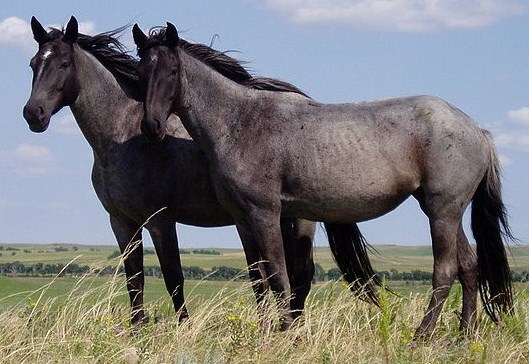
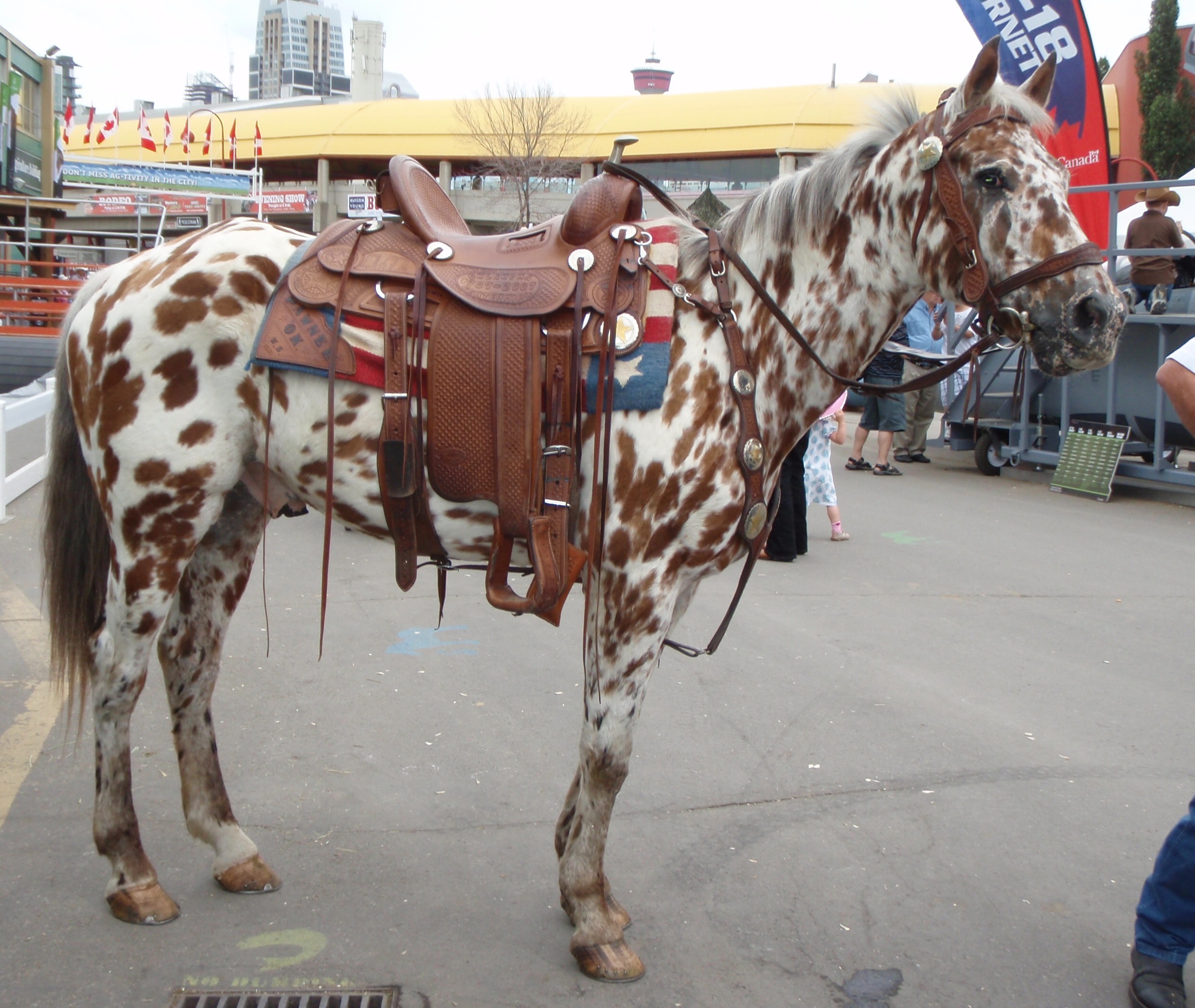
The domestic horse is a large, herd-living grazing mammal kept worldwide for riding, driving, work, and companionship. It is an intelligent, sensitive prey animal that needs daily turnout, equine company, forage, and a serious long-term commitment of time and money.
ℹ️
Educational only. KinStation content is reviewed by licensed veterinarians but cannot replace an in-person exam. Always consult a licensed veterinarian or board-certified specialist for diagnosis, treatment, or any decision affecting your pet's health.
🩺 Need expert help with your horse?
Connect with a specialist near you or ask a licensed vet — never substitute online guidance for hands-on care in an emergency.
Wide range by type: ponies stand under 14.2 hands (~147 cm), light riding horses 14.2–17 hands (147–173 cm), and draft breeds 16–19 hands (163–193 cm); roughly
Lifespan
25–30 years
Social needs
group
Native region
Domesticated from wild horses on the Eurasian steppe (c. 5,500 years ago); now kept worldwide.
Origin
Worldwide
Climate
🌍 Varied
Family
Equidae
Genus
Equus
Part of the Horses
Horses are large, herd-living grazing mammals domesticated for riding, driving, work, and sport. Intelligent prey animals with a strong flight instinct, they need daily turnout, equine companionship, near-constant forage, skilled handling, and a substantial long-term commitment of land, time, and money.
From the minimum an animal needs to be kept humanely, up to the ideal setup. Bigger is almost always better — minimums are floors, not targets.
Photo coming soon
Minimum
Stall + daily turnout + companion
12×12 ft stall + 1 ac pasture + run-in shed + companion equid
Equids are herd animals — solo housing is a welfare violation. Minimum: stall + daily turnout + at least one equid companion. Generic horse entry — adapt template to specific breed (riding vs draft vs pony).
Barn + 5+ ac per horse + indoor/outdoor arena + herd
Multi-paddock rotation on 5+ ac per horse, arena access, herd-mate companions, structured training. Generic horse entry — adapt template to specific breed (riding vs draft vs pony).
Life & growth stages
How this animal changes through its life — each stage often has its own care, diet and space needs.
Photo coming soon
Newborn
Newborn mammals are nursed on their mother's milk. Many are born helpless — blind, deaf, and sparsely furred (altricial, as in dogs, cats, and rodents) — while others stand and follow within hours (precocial, as in hoofed livestock).
Photo coming soon
Juvenile
After weaning, juveniles grow quickly and become increasingly active, playful, and independent. Adult coat, proportions, and (in many species) the permanent teeth come in as they approach full size.
Photo coming soon
Adult
Adults reach full body size and sexual maturity, with the species' mature coat and build. Sexual dimorphism — differences in size, mane, horns, or markings — is pronounced in some mammals and subtle in others.
Senior
Senior animals show aging signs such as graying fur, reduced activity, and a greater need for veterinary monitoring of joints, teeth, and organ function. Lifespan and the onset of old age vary widely by species and size.
Color & pattern variants
Natural variants occur in the wild; selectively bred (man-made) variants were developed in captivity.
Horses need **pasture plus shelter**, not just a stall. The classic minimum is about **1–2 acres of grazing per horse**, though dry-lot setups with supplemental hay work where land or grass is limited. Provide a three-sided run-in shed or a barn stall (a 12×12 ft stall is standard for a riding horse; larger for drafts) so the horse can escape wind, rain, sun, and biting insects.
Fencing must be **safe and visible** — wood post-and-rail, vinyl, or properly tensioned electric/coated wire. Avoid high-tensile barbed wire and anything a horse can get a leg through. Gates, latches, and water sources should be checked daily. Horses confined to stalls without daily turnout commonly develop stereotypies (cribbing, weaving, stall-walking) and lameness, so **movement is a welfare requirement, not a luxury**.
Substrate
For **stalls**, common bedding is **straw, kiln-dried wood shavings, wood pellets, or hemp/chopped paper** over rubber mats. Bedding should be deep enough to cushion lying down and absorb urine; muck out daily and strip/re-bed regularly to control ammonia, which damages the airways and hooves.
In **paddocks and dry lots**, footing of compacted stone dust, sand, or well-drained soil reduces mud, which otherwise causes thrush and 'mud fever' (pastern dermatitis). Keep high-traffic and feeding areas dry and pick up manure frequently to break parasite cycles.
Equipment & setup
Core gear: a **well-fitted halter and lead rope**, **grooming kit** (curry comb, dandy/body brushes, hoof pick, mane comb), **fly protection** (masks, sheets, repellent), and **blankets/rugs** if clipped or in cold wet climates. For riding/driving you'll need correctly fitted **tack** (saddle, bridle/bit or bitless, girth, pad, or harness) — poorly fitting tack causes pain and behavior problems.
For the property: **automatic or trough waterers** (with tank heaters in freezing climates), **hay nets/feeders** to slow intake and reduce waste, secure **feed storage** (horses break into grain bins and founder), a **first-aid kit**, and a **manure management** plan. Many owners also need a **trailer and tow vehicle** for vet trips and emergencies.
Diet
Horses are **hindgut-fermenting grazers** built to eat small amounts of fibrous forage almost continuously. The diet base should be **grass and/or grass-legume hay at roughly 1.5–2.5% of body weight per day** — for a 500 kg horse, about 7.5–12 kg of forage daily. Constant access to forage (or frequent small meals) protects against gastric ulcers and colic.
Provide **clean fresh water at all times** (a horse drinks 20–55+ L/day) and free-choice or measured **salt/mineral**. Concentrates (grain, pelleted feeds) are only needed for hard-working, growing, pregnant, or underweight horses — overfeeding grain or rich spring grass causes obesity, colic, and laminitis. Make all feed changes gradually over 7–14 days. Never feed lawn clippings, moldy hay, or large single grain meals.
Behavior & temperament
Horses are **highly social herd prey animals** with a strong flight response and clear body-language communication. They form bonds, groom companions mutually, and establish a loose hierarchy. A horse kept truly alone is stressed; the welfare default is **at least one equine companion** (another horse, pony, donkey, or even a consistent goat as a last resort).
They read human posture and emotion keenly and learn quickly through pressure-and-release and positive reinforcement. Common signs to read: pinned ears and a swishing tail (irritation/threat), a cocked hind leg and lowered head (relaxation), and flared nostrils with a high head (alarm). Patient, consistent, fear-free handling produces a safe, willing horse; rough or inconsistent handling produces a dangerous one given the animal's size and speed.
Health
Routine care includes **hoof trimming every 6–8 weeks** by a farrier (with shoes if the workload requires), **annual or biannual dental floating**, a **vaccination program** (commonly tetanus, EEE/WEE, West Nile, rabies, plus risk-based flu/rhino), and a **strategic deworming plan guided by fecal egg counts**.
The big emergencies to know are **colic** (abdominal pain — rolling, pawing, looking at the flank; can be life-threatening fast) and **laminitis/founder** (painful inflammation of the hoof laminae, often from overeating rich feed or metabolic disease). Other common issues: lameness, gastric ulcers, respiratory disease (heaves), and skin conditions like rain rot and sweet itch. Establish a relationship with an equine vet before you need one — horses cannot vomit, so digestive trouble escalates quickly.
Tips, DIY & hacks
- **Slow-feed hay nets** (small mesh) stretch forage across the day, mimicking natural grazing and reducing ulcers, boredom, and rapid weight gain.
- Learn to take and chart **TPR baselines** (temperature ~37.5–38.5 °C, pulse 28–44 bpm, respiration 8–16/min) and gut sounds so you can recognize colic early.
- **Body-condition score** monthly rather than eyeballing weight; use a weight tape for trend tracking.
- A **grazing muzzle** lets easy-keepers and laminitis-prone horses stay turned out with friends while limiting grass intake.
- Budget realistically: routine farrier, vet, feed, and bedding add up, and emergencies (colic surgery, lameness work-ups) can be very expensive — consider equine insurance or an emergency fund.
- Horses thrive on routine; keep feeding times, turnout, and handling consistent.