Aquatic PlantsIntermediateMedium light
Red root floater
Phyllanthus fluitans · also called Floating spurge, Red-root floater
Generally non-toxic to cats and dogs.
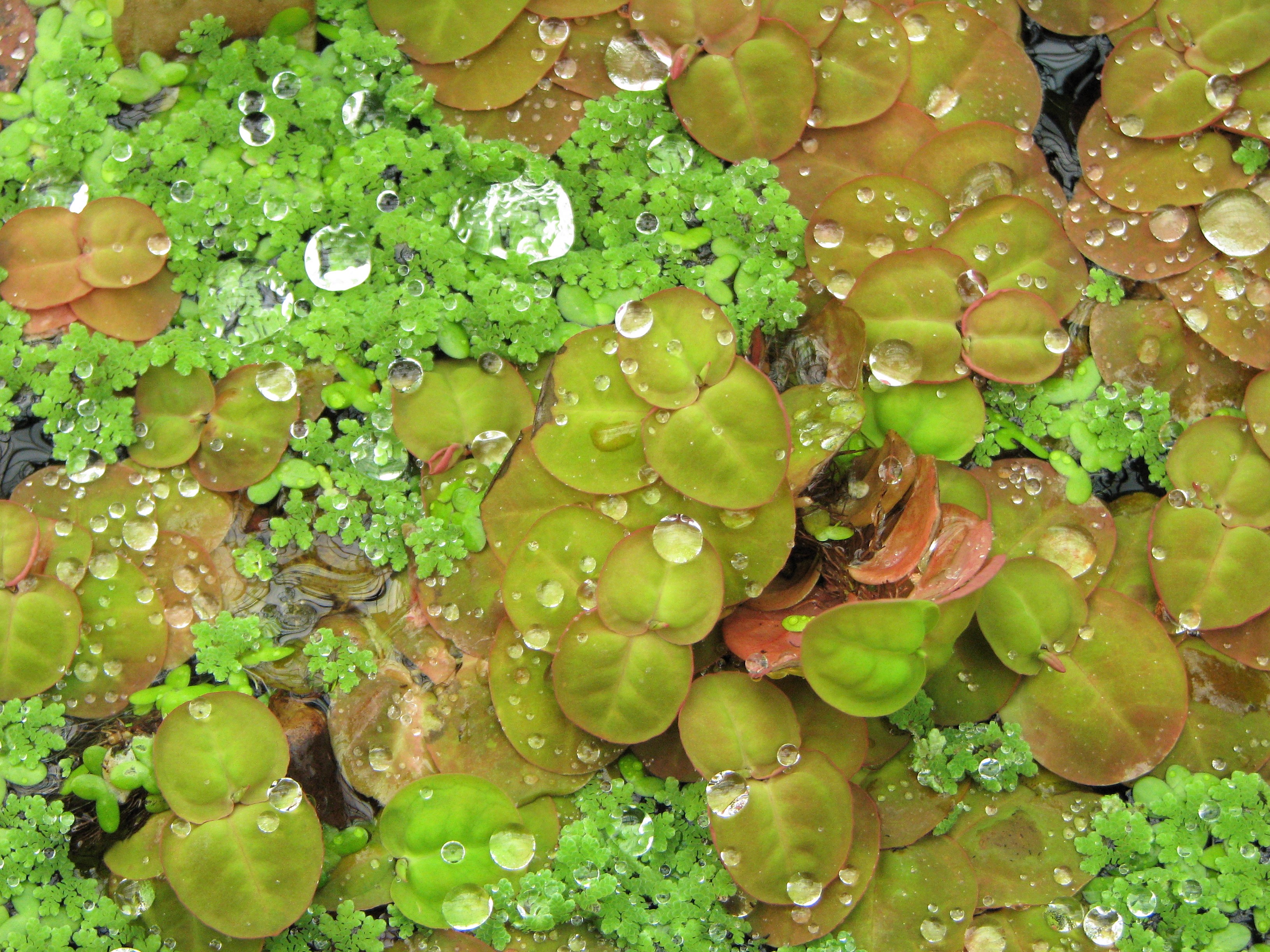
Red root floater is a small, decorative floating plant prized for its red roots and leaves that turn deep crimson under strong light. It adds a striking pop of color to the water surface while shading and sheltering livestock below.
Educational only. KinStation content is reviewed by licensed veterinarians but cannot replace an in-person exam. Always consult a licensed veterinarian or board-certified specialist for diagnosis, treatment, or any decision affecting your pet's health.
Quick facts
| Category | Aquatic Plants |
| Family | Phyllanthaceae |
| Native origin | South America (Amazon basin; Brazil, Venezuela, Bolivia) |
| Care difficulty | Intermediate |
| Light | Medium light |
| Pet toxicity | Pet-safe |
Light
Lighting is the key to coloration: under low to medium light the rounded leaves stay green, while high light intensity turns the foliage and roots a vivid red. For best red coloration provide strong light fairly close to the surface. It grows fine in lower light but remains green and less compact.
Water
Temp 22-28 C (72-82 F), pH 6.0-7.5, soft to moderately hard. A nutrient-rich water column with iron and trace elements deepens the red color, though excess nitrogen tends to keep it green. Appreciates phosphate and micronutrient dosing. Best appearance in softer, slightly acidic water; tolerant of harder water but coloration suffers. No CO2 injection required.
Soil & potting
Not an epiphyte and not rooted in substrate; a true floater with no substrate needs. Nutrients are absorbed through its short red roots directly from the water column. Do not plant or bury it; it lives entirely at the surface.
Environment — humidity, temperature, placement
No CO2 needed (uses atmospheric CO2), though injected CO2 can speed growth. Requires very calm surface water; like most floaters it rots if water droplets sit on the leaves, so avoid strong surface agitation, spray bars aimed at the top, or surface skimmers. Strictly a floating, surface-emersed plant - ideal for shaded, low-flow tanks and shrimp setups.
Propagation
Propagates extremely fast by lateral side shoots and fragmentation; the plant branches and splits into new individuals that drift apart. Simply remove or thin the mat to manage growth and share excess.
Toxicity detail
Safe and non-toxic to fish, shrimp, snails and pets; commonly used in shrimp tanks. Not currently listed as a major noxious weed, but as a vigorous tropical floater it should never be released into natural waterways - dispose of excess in the trash and check local aquatic-plant import rules.
Growth stages
How this plant changes through its life — each stage often has its own care, diet and space needs.