Aquatic PlantsBeginnerMedium light
Rotala
Rotala rotundifolia · also called Roundleaf toothcup, Dwarf rotala, Pink rotala
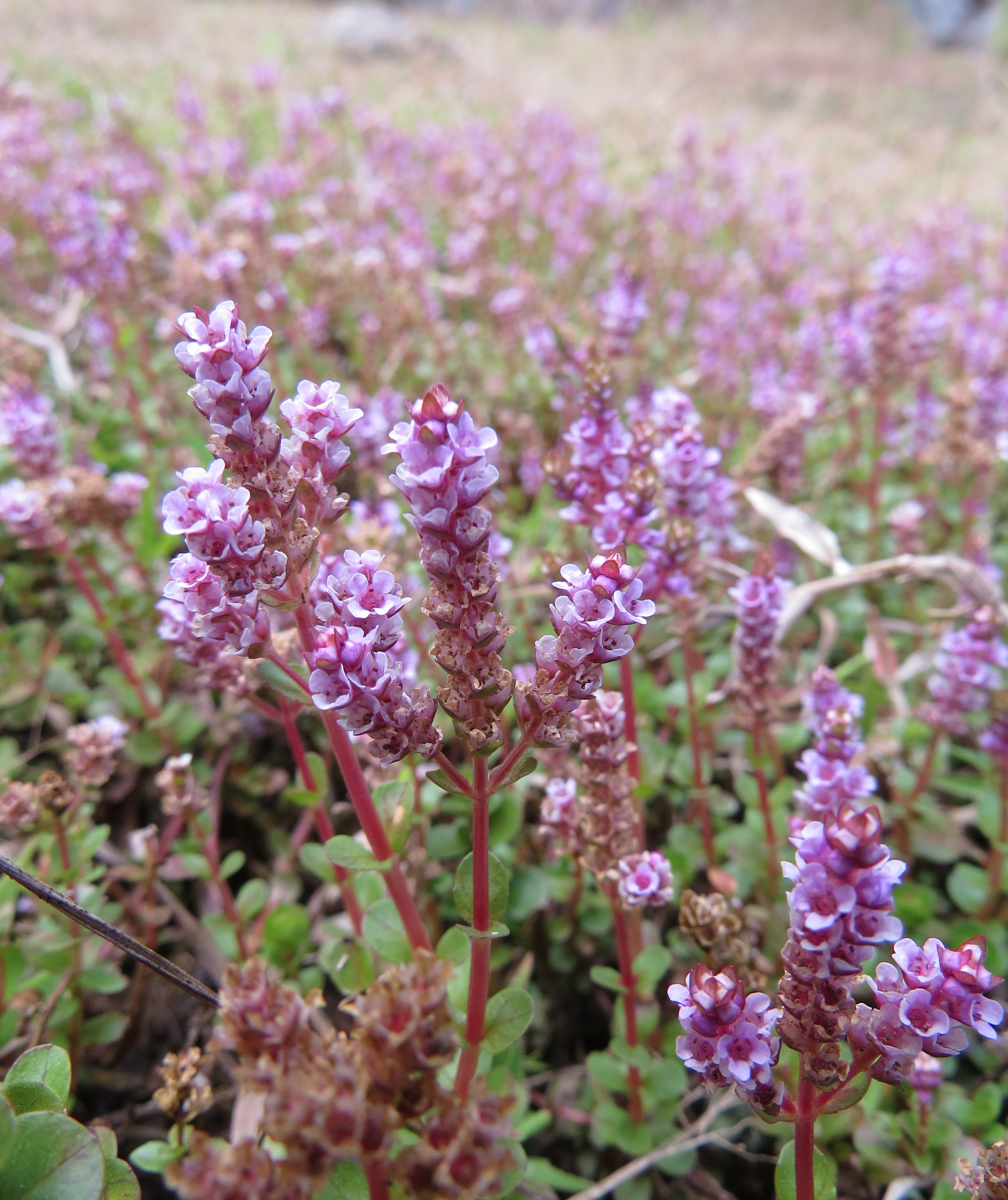
Photo: Vinayaraj · CC BY-SA 3.0
Generally non-toxic to cats and dogs.
A hugely popular fast-growing stem plant prized for its red-to-pink tones under strong light. Despite the name, submersed leaves are narrow and lance-shaped rather than round, unlike the rounded emersed foliage that gave the species its name.
Educational only. KinStation content is reviewed by licensed veterinarians but cannot replace an in-person exam. Always consult a licensed veterinarian or board-certified specialist for diagnosis, treatment, or any decision affecting your pet's health.
Quick facts
| Category | Aquatic Plants |
| Family | Lythraceae |
| Native origin | Southeast Asia (China, Japan, India, and surrounding regions) |
| Care difficulty | Beginner |
| Light | Medium light |
| Pet toxicity | Pet-safe |
Light
Grows in low to high light (roughly 20-50+ PAR). Under low/medium light foliage stays green to olive; under high light combined with CO2 and good iron/micronutrients the tops flush pink, orange, and red. Brighter light also keeps growth compact rather than leggy.
Water
Temperature 20-28 C (68-82 F), pH 6.0-7.5, soft to moderately hard water (GH 3-12). Very adaptable. Responds strongly to water-column dosing of a complete macro + micro fertilizer; iron and nitrate availability strongly influence coloration (leaner nitrate often pushes redder tones).
Soil & potting
Roots readily into any substrate; a nutrient-rich aquasoil or the addition of root tabs accelerates growth and color. It is a rooted stem plant (not an epiphyte), so plant individual stems into the substrate. It will also grow well in inert gravel/sand with adequate water-column dosing.
Environment — humidity, temperature, placement
CO2 is not required but dramatically improves growth, density, and red coloration. Place in the midground to background; topped and replanted bushes can be shaped into a 'street' or mound. Moderate flow helps. Grows emersed (creeping, with rounded leaves and small flowers) or submersed; emersed-grown stems transition to the narrow, lance-shaped submersed form after planting.
Propagation
Propagate by topping: cut the stem, replant the cut top, and the remaining base produces multiple side shoots that can later be separated. Lateral shoots and replanted trimmings root quickly, making it easy to fill in a bush.
Toxicity detail
Non-toxic and completely safe with fish, shrimp, and snails; a favorite in shrimp tanks. Not a major aquarium-trade invasive, but it has naturalized in warm regions (e.g. the southeastern US) and as a vigorous wetland plant it should never be released into natural waterways; dispose of trimmings in the trash.
Growth stages
How this plant changes through its life — each stage often has its own care, diet and space needs.
Sources
- Rotala rotundifolia - Tropica Aquarium Plants (care guide)
- Rotala rotundifolia - Wikipedia (encyclopedia)