Alpine / Montane
Alpine and montane biomes are high-elevation environments where altitude, not latitude, drives a cold, harsh climate. Above the treeline, low-growing cushion plants, hardy grasses, and cold-adapted animals survive intense sun, fierce wind, deep cold, and a short growing season.
Geography
Alpine zones cap the world's great ranges — the Himalayas, Andes, Alps, Rockies, and East African and New Guinea highlands — wherever mountains rise above the elevation where trees can grow. Montane forest belts sit just below, grading into alpine meadow, then bare rock, snow, and ice at the summits.
Climate
Cold and extreme: temperatures fall with altitude, the air is thin and dry, ultraviolet radiation is intense, and wind and snow are constant companions. Frost is possible in any month, and the snow-free growing season is short. These stresses select for compact, slow-growing, freeze-tolerant life.
Flora & fauna
Vegetation is low and tough — cushion plants, alpine grasses, lichens, and dwarf shrubs hugging the ground for warmth. Animals include mountain goats, ibex, marmots, pikas, chinchillas and viscachas (Andes), snow leopards, raptors, and cold-hardy amphibians and lizards. The pet chinchilla descends from cold, rocky high-Andean slopes.
Conservation
Alpine biomes are climate-change frontlines: warming pushes species upslope until they run out of mountain, and glaciers retreat. Grazing pressure, tourism, and infrastructure add local stress. Conservation includes high-elevation reserves, grazing management, and global emissions reduction to slow warming.
Animals of this biome 4

Chinchilla
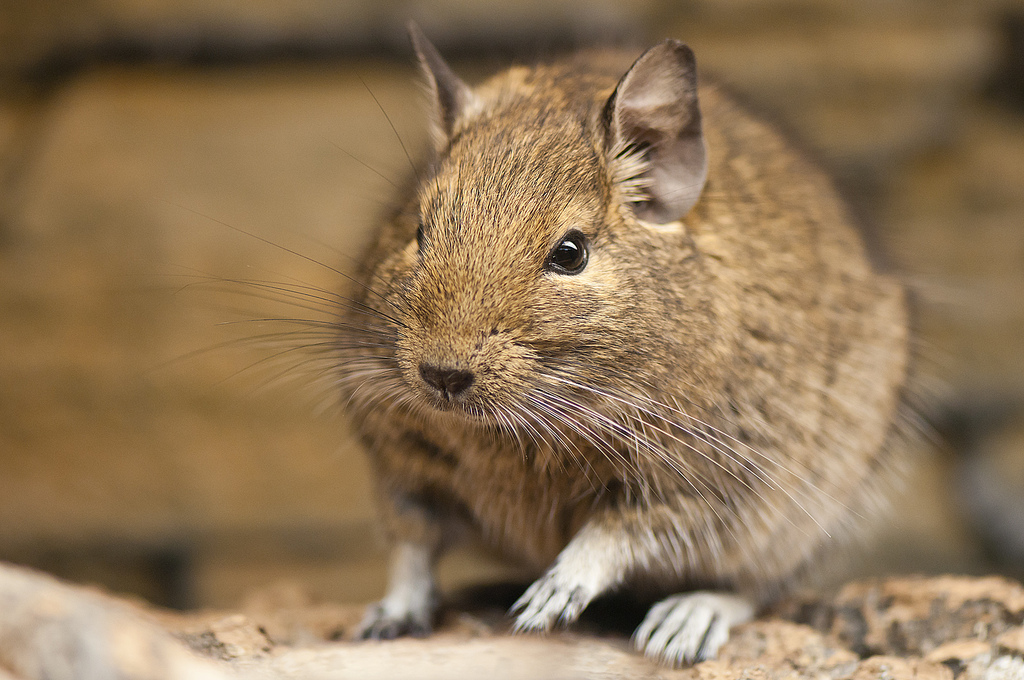
Degu

Fire Salamander
