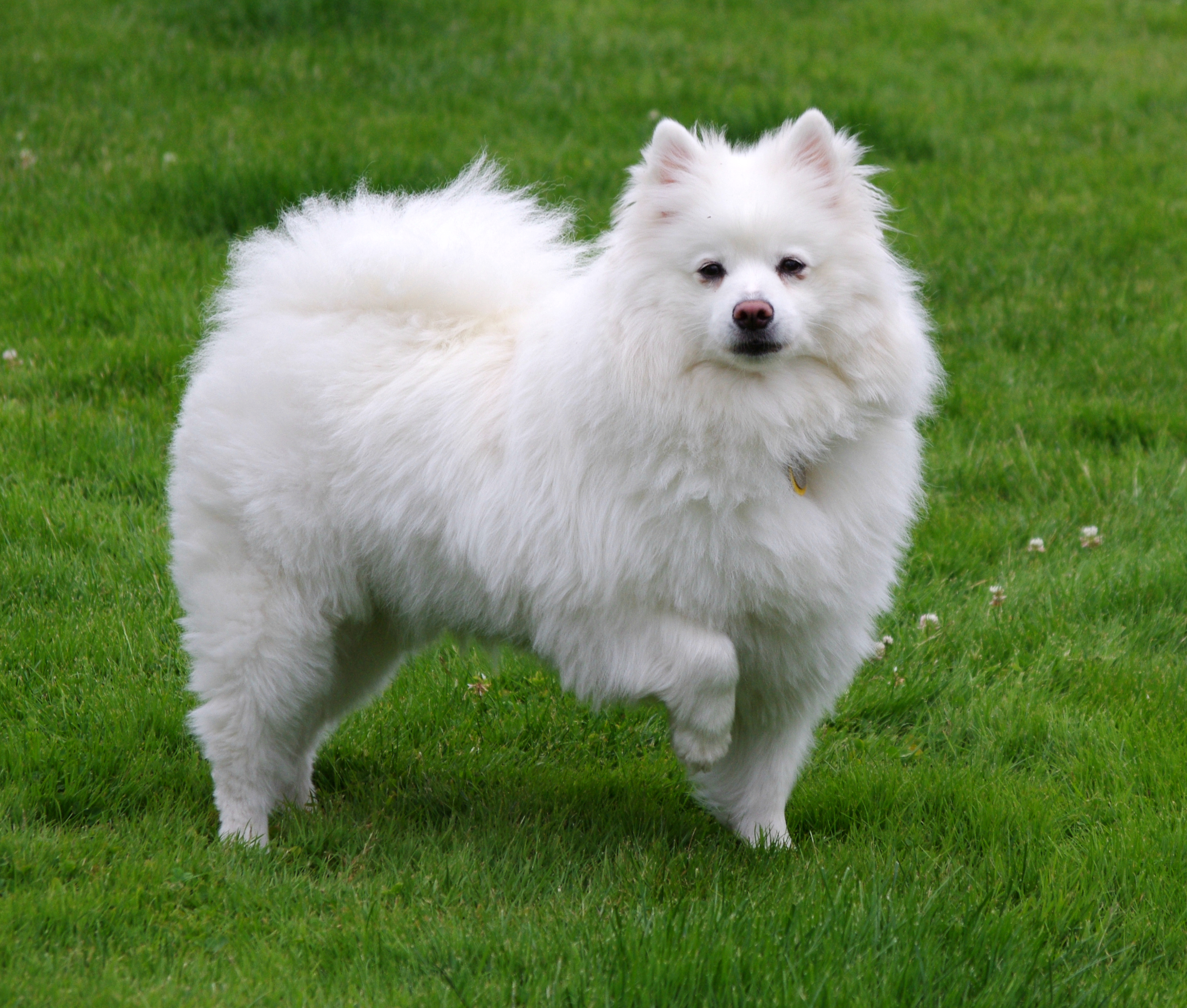
A bright, fluffy white spitz developed from German Spitz dogs by German immigrants in America, famous as a circus performer. Highly trainable and affectionate but vocal and demanding of attention.
ℹ️
Educational only. KinStation content is reviewed by licensed veterinarians but cannot replace an in-person exam. Always consult a licensed veterinarian or board-certified specialist for diagnosis, treatment, or any decision affecting your pet's health.
🩺 Need expert help with your american eskimo dog?
Connect with a specialist near you or ask a licensed vet — never substitute online guidance for hands-on care in an emergency.
From the minimum an animal needs to be kept humanely, up to the ideal setup. Bigger is almost always better — minimums are floors, not targets.
Photo coming soon
Minimum
Apartment or small home with daily walks
Apartment + 2× daily 30-min walks
A small dog adapts well to apartment living with two structured walks a day plus indoor enrichment. Crate-train for alone-time and give supervised free-roam of the household when settled. Heavy-coated arctic breed — minimum acceptable climate must include shade, air-conditioning in summer, and never leave outside on hot days. They shed heavily year-round.
Photo coming soon
Recommended
Home with secure yard + daily routine
House + fenced yard + 45 min daily exercise
A house with a securely fenced yard, two structured walks per day, and indoor enrichment (chews, training, puzzle feeders). Most small breeds settle well as household pets when this baseline is met.
Photo coming soon
Ideal
Household companion with varied enrichment
House + fenced yard + sport or hobby
A household companion that joins family activities, has a secure yard, and engages in a hobby suited to the breed — earthdog, scent games, trick training, mini-agility. Mental work matters as much as the walks.
Life & growth stages
How this animal changes through its life — each stage often has its own care, diet and space needs.
Photo coming soon
Newborn
Newborn mammals are nursed on their mother's milk. Many are born helpless — blind, deaf, and sparsely furred (altricial, as in dogs, cats, and rodents) — while others stand and follow within hours (precocial, as in hoofed livestock).
Photo coming soon
Juvenile
After weaning, juveniles grow quickly and become increasingly active, playful, and independent. Adult coat, proportions, and (in many species) the permanent teeth come in as they approach full size.
Photo coming soon
Adult
Adults reach full body size and sexual maturity, with the species' mature coat and build. Sexual dimorphism — differences in size, mane, horns, or markings — is pronounced in some mammals and subtle in others.
Senior
Senior animals show aging signs such as graying fur, reduced activity, and a greater need for veterinary monitoring of joints, teeth, and organ function. Lifespan and the onset of old age vary widely by species and size.
Color & pattern variants
Natural variants occur in the wild; selectively bred (man-made) variants were developed in captivity.
Adaptable to apartments or houses thanks to a manageable size in the Toy and Miniature varieties, but needs daily exercise and abundant mental stimulation. Plan on 30-60 minutes of activity plus training or trick sessions. They thrive on being part of family life and dislike isolation, which can trigger barking and separation-related behavior.
Diet
Feed a measured, high-quality diet split into two meals; the breed is prone to obesity, which worsens joint and tear-staining problems, so monitor body condition and limit treats. No unusual breed-specific dietary requirements.
Behavior & temperament
Highly intelligent, eager to please, and one of the more trainable spitz breeds, excelling at tricks and dog sports. Energetic, alert, and naturally watchful, so they bark readily and make good watchdogs. Affectionate and good with children and other pets when socialized, though they can be reserved with strangers. Boredom and lack of leadership can produce nuisance barking.
Health
Predispositions include progressive retinal atrophy (PRA), hip dysplasia, patellar luxation (especially in smaller varieties), and dental disease. Recommended screening: eye (CERF/OFA) exams, hip evaluation, and patella evaluation. Tear staining is common and largely cosmetic.
Tips, DIY & hacks
The thick double coat sheds heavily, especially during seasonal blowouts; brush 2-3 times weekly (daily during shedding) to prevent matting. Do not shave the double coat, as it protects against heat and cold. The white coat shows tear stains and dirt, so keep the face clean. Channel their intelligence with training and tricks to prevent boredom barking.