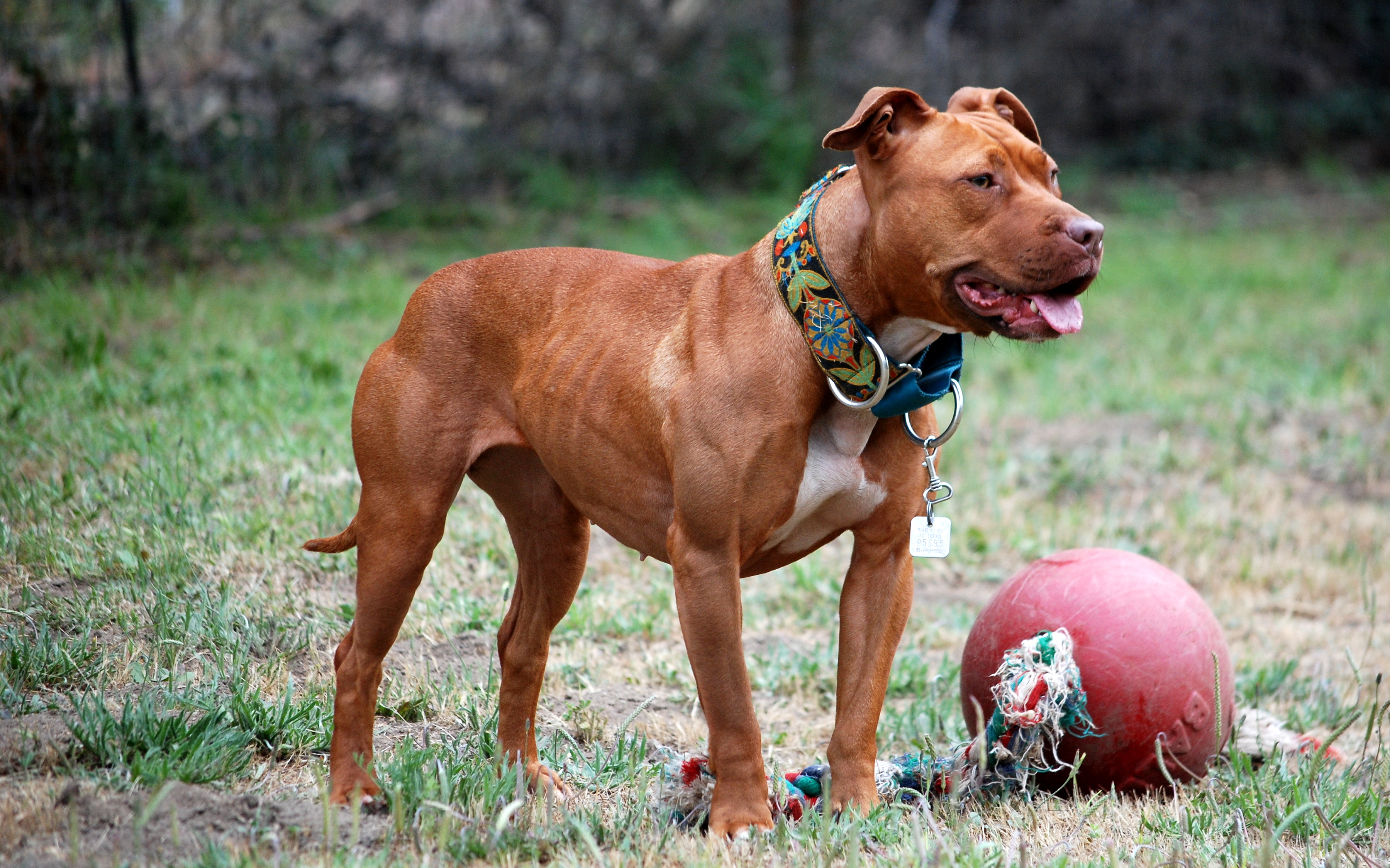
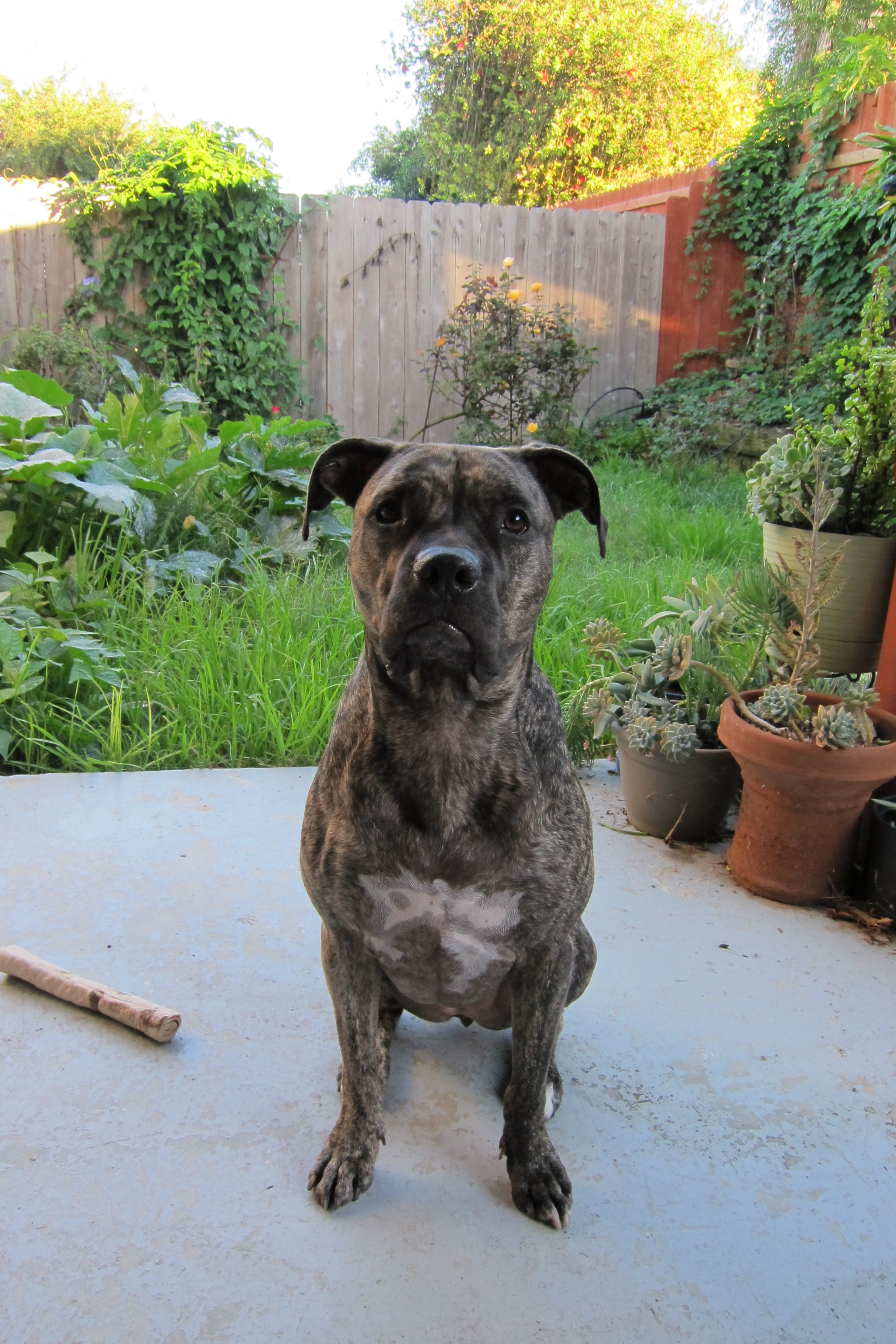
Photo: https://www.flickr.com/people/geoggirl/ · CC BY 2.0
A strong, athletic, people-loving bully-type terrier (recognized by the UKC and ADBA, not the AKC) historically bred from bull-and-terrier stock. Affectionate and trainable with the right owner, but powerful and subject to breed-specific legislation in many areas.
ℹ️
Educational only. KinStation content is reviewed by licensed veterinarians but cannot replace an in-person exam. Always consult a licensed veterinarian or board-certified specialist for diagnosis, treatment, or any decision affecting your pet's health.
🩺 Need expert help with your american pit bull terrier?
Connect with a specialist near you or ask a licensed vet — never substitute online guidance for hands-on care in an emergency.
From the minimum an animal needs to be kept humanely, up to the ideal setup. Bigger is almost always better — minimums are floors, not targets.
Photo coming soon
Minimum
Home with daily structured exercise
Apartment/house + 60 min daily exercise
Medium dogs need at least an hour of varied daily exercise — leashed walks plus off-lead play or training. Apartment living is workable only if exercise commitments are met every day; crate-train and allow supervised free-roam at home.
Photo coming soon
Recommended
Home with fenced yard + training time
House + fenced yard + 60–90 min varied exercise
A home with a securely fenced yard, daily walks plus off-lead play, and ongoing training keeps a medium dog mentally satisfied. Add a sport or hobby (fetch, scent games, agility intro) for breeds with extra drive. High-drive working breed — the recommended tier still demands daily structured mental work (training, scent games, herding ball, fetch with rules), not just walks.
Photo coming soon
Ideal
Active home with a job or sport
Suburban/rural home + secure yard + canine sport
Athletic powerful breed — weight pull, agility, or dock diving channels the drive. — ideal is acreage or rural property paired with a daily job or canine sport: herding stock, scent detection, agility, protection sport, sledding, gundog field work, or a structured working role. Without that outlet, expect destructive behaviour, reactivity, and welfare-relevant frustration.
Life & growth stages
How this animal changes through its life — each stage often has its own care, diet and space needs.
Photo coming soon
Newborn
Newborn mammals are nursed on their mother's milk. Many are born helpless — blind, deaf, and sparsely furred (altricial, as in dogs, cats, and rodents) — while others stand and follow within hours (precocial, as in hoofed livestock).
Photo coming soon
Juvenile
After weaning, juveniles grow quickly and become increasingly active, playful, and independent. Adult coat, proportions, and (in many species) the permanent teeth come in as they approach full size.
Photo coming soon
Adult
Adults reach full body size and sexual maturity, with the species' mature coat and build. Sexual dimorphism — differences in size, mane, horns, or markings — is pronounced in some mammals and subtle in others.
Senior
Senior animals show aging signs such as graying fur, reduced activity, and a greater need for veterinary monitoring of joints, teeth, and organ function. Lifespan and the onset of old age vary widely by species and size.
Color & pattern variants
Natural variants occur in the wild; selectively bred (man-made) variants were developed in captivity.
Adaptable to apartments or houses if given enough exercise, but needs a securely fenced yard where allowed and at least an hour of daily vigorous activity plus mental work. A strong, energetic dog that thrives on close human companionship and does poorly when isolated. Owners should check local laws and housing/insurance restrictions, as the type is targeted by breed-specific legislation in many regions.
Diet
Feed a quality diet appropriate to a muscular, active dog, in two measured meals. Prone to gaining weight if under-exercised, so monitor body condition. No mandatory breed-specific dietary restriction, though good nutrition supports skin and joint health.
Behavior & temperament
Typically affectionate, confident, and eager to please toward people, including children, and they are not naturally human-aggressive; they excel at training, obedience, and dog sports. However, the breed can show dog-directed aggression and high prey drive, so careful socialization, supervision around other animals, and responsible management are essential. Strong, tenacious, and energetic; needs structure, positive training, and a committed owner.
Health
Generally robust with few exaggerated-conformation issues compared with brachycephalic or extreme breeds. Predispositions include hip dysplasia, skin and coat allergies (atopy), congenital heart disease, hypothyroidism, and a higher rate of cerebellar ataxia in some lines. Recommended screening: hip evaluation, cardiac exam, thyroid testing, and eye exams. Avoid extreme over-muscled (so-called bully) conformation that can impair movement and health.
Tips, DIY & hacks
Short, glossy coat needs only weekly brushing and occasional baths; sheds moderately. Invest heavily in early socialization, positive-reinforcement training, and impulse control; this is an owner-dependent breed where responsible handling matters greatly. Supervise interactions with unfamiliar dogs, use secure fencing and leashes, and be aware of and comply with local breed legislation. Channel energy into structured exercise and sports such as weight pull, agility, or dock diving.