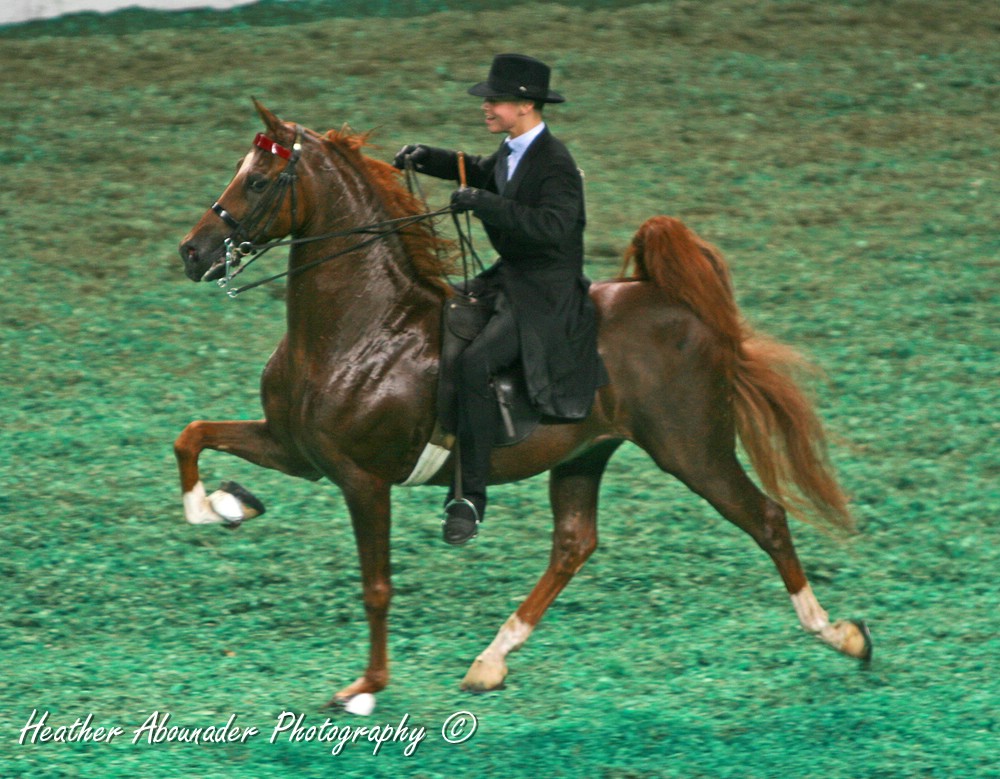
Known as 'the Horse America Made,' the Saddlebred is an elegant, animated show breed developed in Kentucky. Some are three-gaited or five-gaited, adding the rack and slow gait to the usual walk, trot, and canter.
ℹ️
Educational only. KinStation content is reviewed by licensed veterinarians but cannot replace an in-person exam. Always consult a licensed veterinarian or board-certified specialist for diagnosis, treatment, or any decision affecting your pet's health.
🩺 Need expert help with your american saddlebred?
Connect with a specialist near you or ask a licensed vet — never substitute online guidance for hands-on care in an emergency.
From the minimum an animal needs to be kept humanely, up to the ideal setup. Bigger is almost always better — minimums are floors, not targets.
Photo coming soon
Minimum
Box stall + small pasture + shed
12×12 ft stall + 1 ac pasture + run-in shed
Welfare floor for a light riding horse: a 12×12 ft box stall it can lie down and turn in, daily turnout on at least 1 acre of pasture, a three-sided run-in shed for weather, and an equid companion (horses are herd animals). A stall with no turnout is not acceptable.
Photo coming soon
Recommended
Stall + rotated pasture + small herd
12×12 ft stall + 2–3 ac rotated pasture + run-in shed
Box stall plus 2–3 acres of rotated pasture per horse and a small herd of 2–3 companions. Rotational grazing protects pasture, and a covered shed lets the horse choose when to come in. Daily handling, regular farrier and dental care.
Photo coming soon
Ideal
Barn, arena, multi-paddock rotation
Barn + multi-paddock rotation on 5+ ac/horse + arena
Purpose-built barn with multi-paddock rotation on 5+ acres per horse, an indoor or outdoor arena, a settled companion herd, and a regular farrier / vet / training schedule. Closest to natural ranging and social behaviour while supporting training goals.
Life & growth stages
How this animal changes through its life — each stage often has its own care, diet and space needs.
Photo coming soon
Newborn
Newborn mammals are nursed on their mother's milk. Many are born helpless — blind, deaf, and sparsely furred (altricial, as in dogs, cats, and rodents) — while others stand and follow within hours (precocial, as in hoofed livestock).
Photo coming soon
Juvenile
After weaning, juveniles grow quickly and become increasingly active, playful, and independent. Adult coat, proportions, and (in many species) the permanent teeth come in as they approach full size.
Photo coming soon
Adult
Adults reach full body size and sexual maturity, with the species' mature coat and build. Sexual dimorphism — differences in size, mane, horns, or markings — is pronounced in some mammals and subtle in others.
Senior
Senior animals show aging signs such as graying fur, reduced activity, and a greater need for veterinary monitoring of joints, teeth, and organ function. Lifespan and the onset of old age vary widely by species and size.
Color & pattern variants
Natural variants occur in the wild; selectively bred (man-made) variants were developed in captivity.
Pasture with shelter or stabling with daily turnout in safe paddocks. Show horses are frequently stalled and conditioned, but all need regular exercise and social contact with other horses. Provide clean, dry stabling, good footing, and turnout space to move freely.
Diet
Forage-based diet of quality grass hay and pasture, supplemented with grain or performance feeds matched to the breed's high-energy show work. Maintain steady body condition and adjust concentrates to workload; sudden feed changes risk colic. Fresh water, salt, and balanced minerals at all times.
Behavior & temperament
A show and pleasure breed prized for animation, presence, and a willing, people-oriented temperament. Intelligent and spirited yet typically gentle, Saddlebreds excel in saddle seat, fine harness, driving, dressage, jumping, and trail. Five-gaited horses are bred and trained for the rack and slow gait.
Health
Generally healthy and long-lived. Welfare issues are largely show-related: tail sets and nicking/setting of the tail, weighted/long-toe shoeing, and gingering are used by some to exaggerate tail and gait, and can cause pain or injury. The breed has higher-than-average rates of lordosis (swayback) linked to a recessive gene. High-performance diets carry colic/laminitis risk if mismanaged.
Tips, DIY & hacks
For a pleasure or sport home, seek horses shown naturally without set tails or weighted shoes. The kind, trainable disposition suits dressage, trail, and family riding. Manage feeding to workload, provide ample turnout, and use a farrier experienced with the breed. Screen breeding stock for swayback lineage.