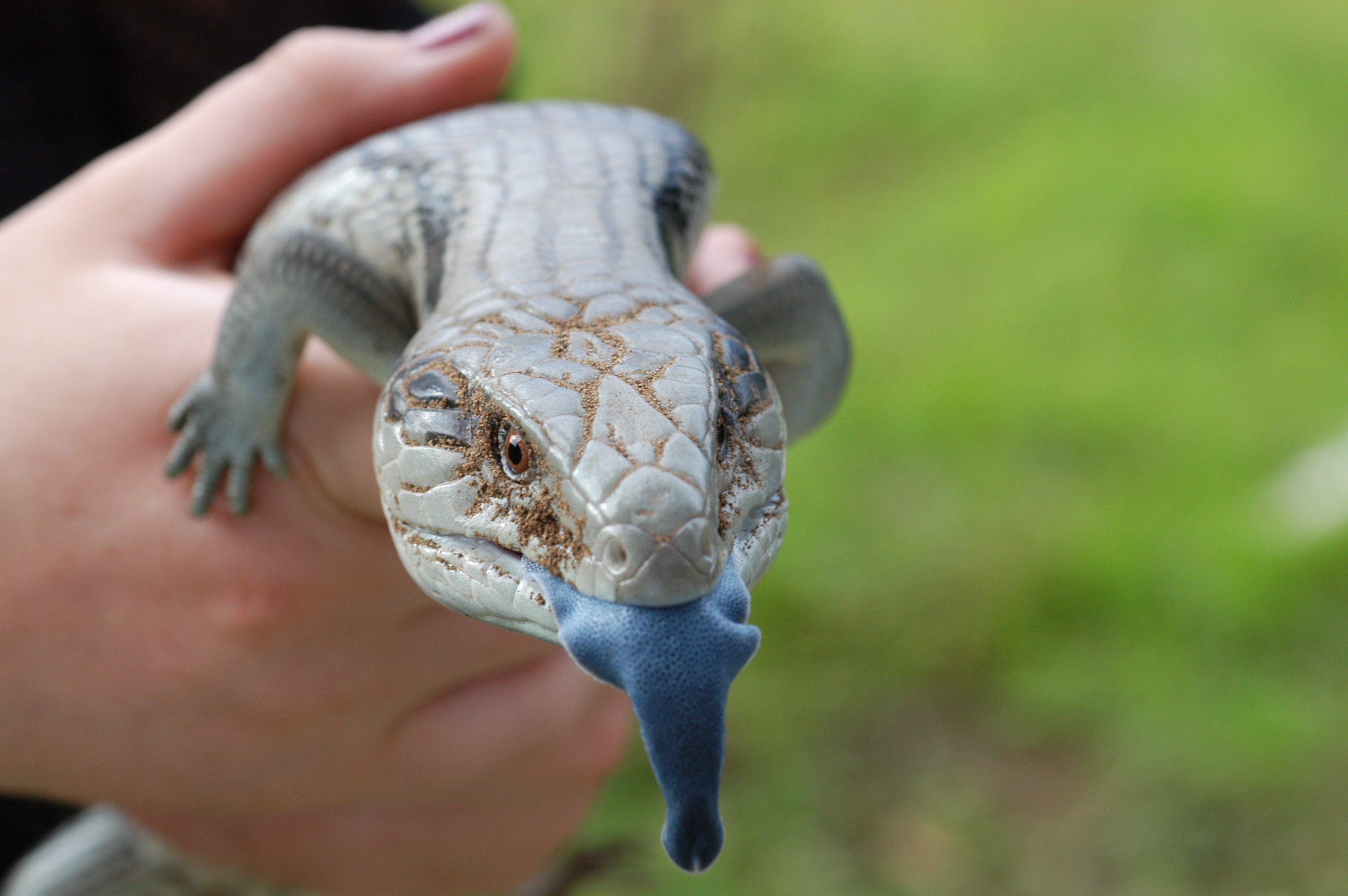
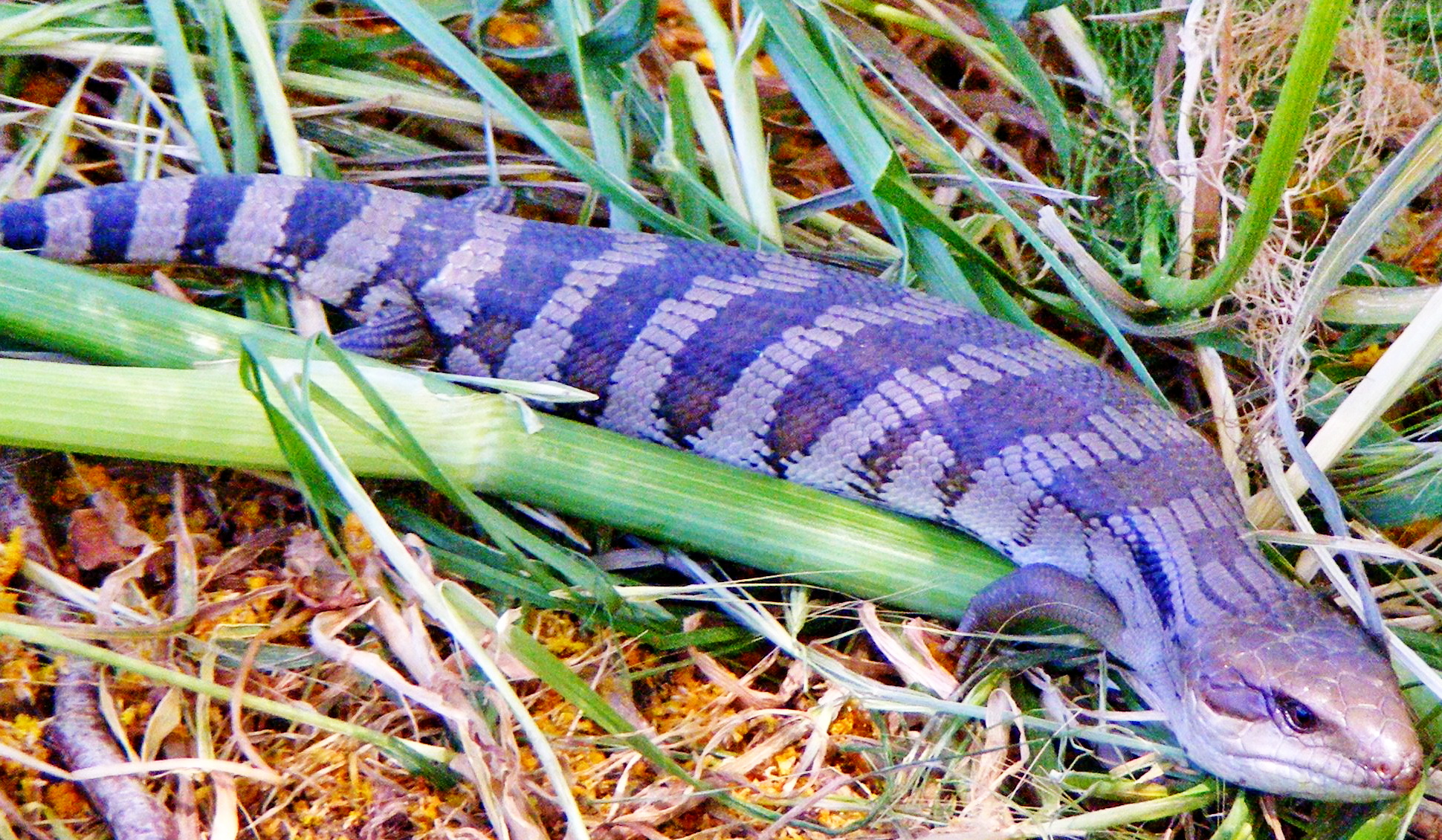
Blue-tongued skinks are stout, ground-dwelling Australian lizards named for their vivid blue display tongue. They are docile, omnivorous, and popular among intermediate reptile keepers, though Australian-origin sources are tightly regulated.
ℹ️
Educational only. KinStation content is reviewed by licensed veterinarians but cannot replace an in-person exam. Always consult a licensed veterinarian or board-certified specialist for diagnosis, treatment, or any decision affecting your pet's health.
🩺 Need expert help with your blue-tongued skink?
Connect with a specialist near you or ask a licensed vet — never substitute online guidance for hands-on care in an emergency.
Smooth- to plate-scaled, often terrestrial and fossorial lizards — generally hardy, diurnal, and good-natured, needing diggable substrate, a basking gradient, and UVB.
From the minimum an animal needs to be kept humanely, up to the ideal setup. Bigger is almost always better — minimums are floors, not targets.
Photo coming soon
Minimum
Adult terrestrial enclosure
4 × 2 × 1.5 ft (≈ 8 sq ft floor)
An adult needs a ground-dwelling enclosure of at least 4 × 2 feet of floor space with a deep, burrowable substrate (cypress mulch or a soil/sand mix) for digging. Provide a basking spot of 35–38 °C dropping to a 24–26 °C cool end, UVB across part of the length, and several hides; blue-tongues are solitary and must be housed alone.
Photo coming soon
Recommended
Adult floor-space vivarium
4 × 2 × 2 ft (≈ 8+ sq ft floor)
A 4 × 2 × 2-foot vivarium gives a stocky, terrestrial skink room to roam, with 4–6 inches of digging substrate, multiple hides, logs, and clutter for security. Maintain a strong thermal gradient (a 35–40 °C basking zone to a 24 °C cool end), 6–10 % UVB over the basking area, and moderate humidity suited to the subspecies.
Photo coming soon
Ideal
Large naturalistic ground enclosure
6 × 2 × 2 ft or larger (12+ sq ft floor)
A 6 × 2-foot (or larger) floor-focused enclosure lets a blue-tongue express natural foraging, basking, and burrowing across distinct microclimates. Use deep bioactive substrate, broad cork flats, leaf litter, varied hides, high-output UVB, and a 38–40 °C basking platform grading to a cool retreat; the generous floor area is the best welfare outcome for this terrestrial species.
Life & growth stages
How this animal changes through its life — each stage often has its own care, diet and space needs.
Photo coming soon
Egg / Neonate
Most reptiles lay leathery- or hard-shelled eggs incubated by ambient warmth, though some snakes and lizards give live birth. Incubation temperature can influence sex and development in many species.
Photo coming soon
Hatchling
Hatchlings emerge as fully formed miniatures of the adult, often using an egg tooth to slit the shell. They are independent from birth but small and vulnerable, and may show brighter or different juvenile patterning.
Photo coming soon
Juvenile
Juveniles grow steadily, shedding their skin periodically as they enlarge. Coloration and proportions shift toward the adult form, and growth rate depends heavily on temperature, diet, and basking/UVB access.
Adult
Adults reach the species' full length and mass and become sexually mature. Many reptiles show sex differences in size, coloration, or features (such as larger heads, hemipenal bulges, or femoral pores), and continue to shed throughout life.
Color & pattern variants
Natural variants occur in the wild; selectively bred (man-made) variants were developed in captivity.
Blue-tongued skinks are heavy-bodied, terrestrial lizards that prioritize floor space over height. A long, wide enclosure — commonly cited around 4×2 feet or larger for a single adult — gives them room for the slow patrolling and foraging they do at ground level. They are not climbers in the way arboreal lizards are, so usable floor area matters far more than vertical space.
Several inches of holdable substrate (such as a cypress mulch or topsoil/sand blend) let the skink burrow and dig, which it does readily. Multiple hides on both the warm and cool ends allow the animal to thermoregulate without giving up its sense of security. A focused basking surface with a cooler gradient across the rest of the enclosure, plus UVB across the basking zone, supports digestion and bone health in this omnivore.
A shallow, sturdy water dish provides drinking and occasional soaking. The overall layout — warm basking spot, deep diggable floor, hides, and a clear cool retreat — reflects a lizard adapted to open ground with refuges, and getting that gradient right is the foundation of keeping one healthy.
Substrate
Use a deep (4-6 inch / 10-15 cm) loose mix of cypress mulch, coco fiber, and aspen or a soil/leaf-litter blend so these stout skinks can burrow and hide, since they spend much time on and under the surface. Bioactive substrates suit them well, but keep one zone drier and one more humid.
Equipment & setup
Provide a basking surface of 95-105 F (35-41 C) from an overhead halogen, a cool end around 75-80 F (24-27 C), and a T5 HO UVB lamp; humidity needs vary by species (Northern around 40-50%, Indonesian/Irian Jaya 60-80%). Floor space is the priority: a minimum 4x2 ft footprint with secure hides at both warm and cool ends.
Diet
Blue-tongued skinks are true omnivores, and a varied diet is central to their care. Care guidance commonly frames the ratio as roughly half animal matter (insects, snails, lean cooked meats, the occasional egg), a large share of vegetables (dark leafy greens, squash, green beans), and a smaller share of fruit, with the exact balance varying by subspecies and source. The point is breadth: no single food group should dominate.
Supplementation with calcium and a vitamin product on a reptile-appropriate schedule supports bone health, and feeders are gut-loaded before offering. Fatty, salty, or heavily processed human foods are avoided, as is a diet that drifts toward all-protein or all-fruit. Specific supplement amounts should be set with an exotics veterinarian.
The most common diet mistakes are obesity from overfeeding rich foods and nutritional imbalance from a monotonous menu. Because these skinks are food-motivated and will eat enthusiastically, portion discipline matters. Fresh water is always available.
Behavior & temperament
Blue-tongued skinks are solitary outside of brief breeding interactions and are housed singly. Among commonly kept lizards they are notably calm, and most adults tolerate gentle, supported handling once they have acclimated, which is a big part of their popularity. Handling is kept relaxed, with the body supported and sessions short, especially at first.
Their signature defensive display is pure bluff: when threatened, a blue-tongue puffs up its body, hisses, opens its mouth wide, and sticks out its startlingly blue tongue. The bright tongue is a deimatic (startle) display meant to momentarily alarm a predator and buy time to escape — the skink is harmless, mimicking the look of something dangerous rather than actually being venomous.
Day to day, these are placid, deliberate animals that spend their time cruising the floor, basking, and digging. They are not high-energy display animals so much as steady, interactive companions that many keepers describe as having real presence.
Health
Common health concerns in blue-tongued skinks include obesity (from overfeeding), metabolic bone disease (from inadequate calcium or UVB), mouth rot (infectious stomatitis), and internal parasites. These are general patterns; any specific concern should be evaluated by a veterinarian rather than self-treated.
Prevention centers on a varied, portion-controlled omnivorous diet, correct UVB and a proper thermal gradient, clean conditions, and routine observation of appetite, weight, and stool. Annual wellness exams with a reptile-experienced veterinarian are widely advised, particularly given the species' long potential lifespan.
Warning signs that warrant veterinary attention include swelling, redness, or discharge around the mouth, soft or deformed bones, lethargy, weight loss, labored breathing, and persistent refusal to eat. Establishing care with an exotics vet early makes managing the occasional problem far easier.
Tips, DIY & hacks
A large, low hide or half-log lets these floor-dwelling skinks feel covered while still moving around, and a shallow heavy water bowl doubles as a soak. Feed an omnivorous diet of high-quality wet dog food or whole-prey-based mixes, dark greens, and vegetables, dusting with calcium to prevent metabolic bone disease.
Origin & history
Tiliqua scincoides is native to Australia (the eastern blue-tongue, T. s. scincoides) and the Tanimbar/Indonesian region (T. s. intermedia and related forms), part of a broader group of Australasian blue-tongued skinks. Australia heavily restricts the export of its native wildlife, so legitimate animals in the U.S. trade are captive-bred; Indonesian blue-tongues are sometimes wild-collected, which is why provenance matters when acquiring one.
The hobby recognizes numerous subspecies and locality types — Northern, Eastern, Tanimbar, Merauke, Centralian, Blotched, and others — that differ in size, pattern, and temperament. This diversity, combined with the animals' docility and the irresistible blue tongue, has made "blueys" one of the most beloved pet lizards.
Anecdotes & owner lore
Community experience and cultural notes — not veterinary advice. Every animal is an individual; treat these as colour, not care instructions.
The blue tongue is the whole brand, and keepers never tire of it. Beyond the wow factor, researchers have found the rear of the tongue is more strongly UV-reflective than the tip, and that the skink saves the biggest "flash" of color for the last second before a predator commits — essentially a built-in jump-scare. One headline described the species as "nature's biggest liar," since the harmless skink is bluffing a warning it can't back up.
Owners adore the personalities. Blue-tongues are famous for a slightly grumpy, deliberate demeanor, a comical "derp" face, and an enthusiasm for food that turns mealtime into theater — many will trundle over, huff, and accept a piece of squash from the fingers like a tiny opinionated dinosaur. In Australia, wild blue-tongues are beloved garden residents valued for eating snails and slugs, and there's real cultural affection for the chunky lizard sunbathing on a suburban patio, tongue out.
Common ailments
Metabolic bone disease (MBD) — common — Prevented with appropriate UVB, calcium supplementation, and a balanced omnivorous diet.
Obesity — common — Food-motivated skinks gain weight easily on rich diets; portion control and variety are the main preventives.
Internal parasites — common — More likely in wild-collected Indonesian imports; a fecal exam at intake is sensible.
Mouth rot (infectious stomatitis) — common
Reviewed and signed off by: KinStation Editorial - pre-launch draft (pending DVM review)