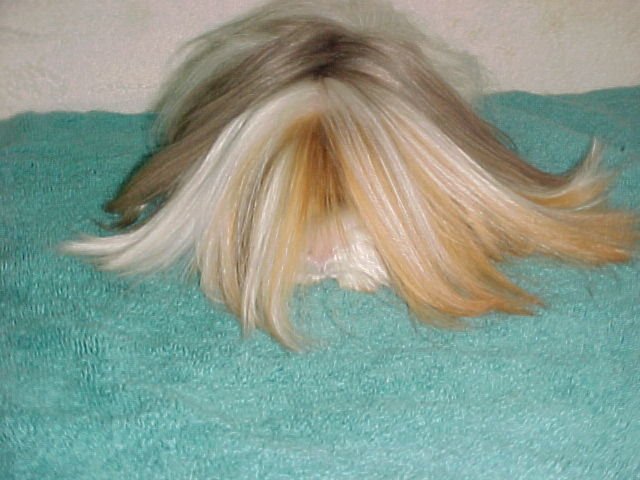
Guinea pigs are gentle, vocal rodents native to South America that thrive in bonded pairs or small groups. They are well-suited to first-time small-pet owners willing to commit to daily care.
ℹ️
Educational only. KinStation content is reviewed by licensed veterinarians but cannot replace an in-person exam. Always consult a licensed veterinarian or board-certified specialist for diagnosis, treatment, or any decision affecting your pet's health.
🩺 Need expert help with your guinea pig?
Connect with a specialist near you or ask a licensed vet — never substitute online guidance for hands-on care in an emergency.
From the minimum an animal needs to be kept humanely, up to the ideal setup. Bigger is almost always better — minimums are floors, not targets.
Minimum
Single guinea pig floor space
≈ 7.5 sq ft (1080 sq in)
Continuous ground-level floor space — guinea pigs do not use vertical levels and should not be kept in tall narrow cages. They are herd animals: keeping just one is discouraged in many regions.
Anasskoko / CC BY-SA 4.0 (Wikimedia Commons)
Recommended
Pair of guinea pigs
≈ 10.5 sq ft (1500 sq in)
C&C (cubes-and-coroplast) grids make it easy to reach this. Add hides at each end, a hay rack, and separate eating/toilet zones to cut squabbling.
Geoprofi Lars / CC BY-SA 4.0 (Wikimedia Commons)
Ideal
Herd with extra roaming
13+ sq ft plus daily floor time
Generous pen for a small herd, supplemented with supervised floor time on a washable surface. More space dramatically reduces stress and boredom-related behaviours.
4028mdk09 / CC BY-SA 3.0 (Wikimedia Commons)
Life & growth stages
How this animal changes through its life — each stage often has its own care, diet and space needs.
Photo coming soon
Newborn
Newborn mammals are nursed on their mother's milk. Many are born helpless — blind, deaf, and sparsely furred (altricial, as in dogs, cats, and rodents) — while others stand and follow within hours (precocial, as in hoofed livestock).
Photo coming soon
Juvenile
After weaning, juveniles grow quickly and become increasingly active, playful, and independent. Adult coat, proportions, and (in many species) the permanent teeth come in as they approach full size.
Photo coming soon
Adult
Adults reach full body size and sexual maturity, with the species' mature coat and build. Sexual dimorphism — differences in size, mane, horns, or markings — is pronounced in some mammals and subtle in others.
Senior
Senior animals show aging signs such as graying fur, reduced activity, and a greater need for veterinary monitoring of joints, teeth, and organ function. Lifespan and the onset of old age vary widely by species and size.
Color & pattern variants
Natural variants occur in the wild; selectively bred (man-made) variants were developed in captivity.
Guinea pigs need a large, flat-bottomed, single-level enclosure — they are ground dwellers that run rather than climb, so floor area matters more than height. Modular 'C&C' (cubes-and-coroplast) cages are widely recommended because most commercial pet-store cages are far too small for animals that thrive on space to popcorn and patrol. A pair needs considerably more room than the minimums often printed on cage boxes.
Provide soft, absorbent bedding such as paper-based products or fleece over an absorbent layer, and give each pig at least one hide so it always has somewhere to feel secure. A separate area for unlimited hay, plus a heavy tip-proof bowl and a water source, rounds out the basics. Guinea pigs are messy, so spot-cleaning daily and fuller cleaning regularly keeps ammonia down and respiratory health up.
They are sensitive to temperature extremes and should be kept indoors in a stable, draft-free room — roughly comfortable room temperature, avoiding both heat and chilling. Enrichment such as tunnels, hidey-houses, foraging opportunities, and (above all) the company of another guinea pig keeps these social animals content.
Substrate
Use a thick layer of paper-based bedding or kiln-dried aspen over the cage floor, or fleece liners over absorbent towels for a washable, low-waste option. Never use cedar or pine shavings (respiratory irritants) and avoid wire or mesh flooring, which causes painful bumblefoot. Spot-clean daily and do a full change at least weekly to control ammonia.
Equipment & setup
Provide a large, single-level enclosure (at least 0.7 m² for one, more per pig) such as a C&C grid setup, kept at a steady 18-23 C since guinea pigs are sensitive to both heat and cold and need no heat lamp. Offer multiple hides, a hay rack, heavy ceramic food/water bowls or a bottle, and constant unlimited grass hay. A daily source of vitamin C is essential because they cannot synthesize their own.
Diet
Unlimited grass hay is the cornerstone of guinea-pig nutrition: it provides the fiber that keeps their digestive system and continuously growing teeth healthy, and it should be available at all times. Fresh water should likewise always be on offer.
The defining feature of guinea-pig diet is vitamin C. Like humans, guinea pigs cannot synthesize their own vitamin C and must get it from food every day, or they develop scurvy. A daily portion of fresh leafy greens and vegetables — bell peppers, leafy lettuces (not iceberg), and herbs are good sources — supplies vitamin C and variety, supported by a measured ration of plain guinea-pig pellets fortified with stabilized vitamin C. Relying on vitamin drops in the water bottle is generally discouraged because it degrades and can put pigs off drinking.
Common dietary mistakes include feeding rabbit or rodent pellets that lack vitamin C, offering too much sugary fruit or pellets at the expense of hay, and sudden diet changes that upset the gut. Iceberg lettuce, dairy, and processed human foods are unsuitable. Because guinea pigs can decline quickly, any drop in appetite warrants prompt attention.
Behavior & temperament
Guinea pigs are highly social herd animals and do best in the company of their own kind; some countries even consider it cruel to keep a single guinea pig, and Switzerland's animal-welfare law effectively requires they be kept in at least pairs. Companionship reduces stress and brings out their natural, charmingly vocal behavior.
They have a remarkably expressive vocabulary. 'Wheeking' — a loud, excited squeal — typically erupts at the sound of the fridge or a rustling bag and means food is expected. Purring can signal contentment or, depending on pitch, annoyance; 'rumbling' is often courtship or dominance; and chattering teeth is a clear warning. 'Popcorning,' a happy hop into the air, is a sign of a comfortable, joyful pig.
As prey animals they startle easily and prefer to keep their feet on a solid surface, so handle them gently and securely with two hands, supporting the body, and supervise children closely. Most guinea pigs do not enjoy being held high off the ground. With patience, regular gentle handling, and treat-based trust-building, they become tame, interactive companions.
Health
Guinea pigs benefit from annual check-ups with a veterinarian experienced in small mammals, and from an owner who watches closely for subtle change, since these animals hide illness and can deteriorate rapidly. Maintaining a high-fiber, vitamin-C-rich diet prevents some of the most common problems before they start.
Frequent health concerns include vitamin C deficiency (scurvy), dental malocclusion from their ever-growing teeth, urinary 'stones' (uroliths), and respiratory infections such as pneumonia, which can be serious. Skin issues like mites and fungal infections, and in females ovarian cysts, are also seen.
Warning signs that warrant prompt veterinary attention include reduced or absent appetite, weight loss, lethargy, labored breathing, drooling, difficulty urinating, or any sudden change in behavior. A critical safety point shared with other small herbivores: certain antibiotics, especially in the penicillin family, can be deadly to guinea pigs by disrupting their gut bacteria, so they should only ever be medicated by a knowledgeable vet.
Tips, DIY & hacks
C&C (cubes-and-coroplast) cages are a cheap, roomy DIY alternative to pet-store cages, and fleece liners cut ongoing bedding costs. Provide vitamin C via fresh bell peppers and leafy greens rather than relying on water drops, which degrade quickly. Keep guinea pigs in pairs or groups (they are herd animals and pine when alone) and offer cardboard tunnels, hay piles, and forage scatter for enrichment.
Origin & history
Despite the name, guinea pigs are neither pigs nor from Guinea. The domestic guinea pig (Cavia porcellus) was domesticated thousands of years ago in the Andes of South America, where it was — and in some regions still is — raised as livestock for food (cuy) and also held cultural and ceremonial significance. European traders brought guinea pigs to the wider world in the 16th century, where they quickly became fashionable exotic pets, reportedly kept even by European royalty.
Selective breeding has produced numerous varieties distinguished mainly by coat type and color, including the smooth-coated American, the rosette-swirled Abyssinian, the long-haired Peruvian and Silkie, and the nearly hairless Skinny pig. The species also lent its name to the phrase 'guinea pig' for a test subject, owing to its long history in scientific research.
Anecdotes & owner lore
Community experience and cultural notes — not veterinary advice. Every animal is an individual; treat these as colour, not care instructions.
Anyone who has lived with guinea pigs knows 'the wheek': the ear-splitting, joyful shriek that greets the opening of the refrigerator or the crinkle of a vegetable bag, delivered as though the pig has not been fed in weeks. Owners learn to time their kitchen movements accordingly. A happy, well-settled guinea pig will also 'popcorn,' springing straight up and sideways in little bursts of pure exuberance that never stop being delightful to watch.
Guinea pigs have a gentle cultural footprint — from the beloved children's-book characters to a real-world celebrity or two — but their deepest fame is as the very definition of a willing test subject, a reputation earned over centuries in laboratories and now baked into the language. Day to day, their charm is in the small rituals: the contented purr during a chin scratch, the dignified disapproval of a new food, the way a bonded pair will 'chut-chut' softly to each other, and the universal guinea-pig conviction that any human approaching the cage has surely arrived bearing lettuce.
Common ailments
Dental disease — common
Vitamin C deficiency (scurvy) — common — Use guinea-pig pellets with stabilized vitamin C plus fresh greens; vitamin drops in water are unreliable.
Urinary stones (urolithiasis) — common
Respiratory infection (pneumonia) — common
Reviewed and signed off by: KinStation Editorial - pre-launch draft (pending DVM review)