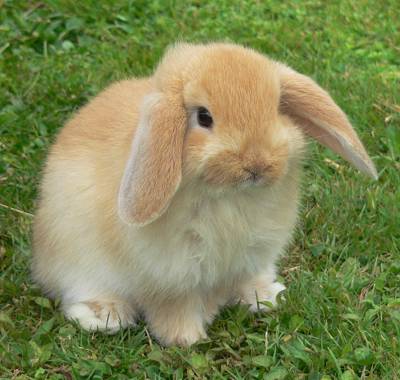
A small woolen lop developed in the US by introducing the Angora wool gene into Holland Lop lines, producing a Holland-shaped rabbit with a soft, spinnable wool coat. Playful and friendly, it needs regular grooming to manage its fiber.
ℹ️
Educational only. KinStation content is reviewed by licensed veterinarians but cannot replace an in-person exam. Always consult a licensed veterinarian or board-certified specialist for diagnosis, treatment, or any decision affecting your pet's health.
🩺 Need expert help with your american fuzzy lop?
Connect with a specialist near you or ask a licensed vet — never substitute online guidance for hands-on care in an emergency.
From the minimum an animal needs to be kept humanely, up to the ideal setup. Bigger is almost always better — minimums are floors, not targets.
Photo coming soon
Minimum
Hutch + daily exercise run
Hutch 12 sq ft + 32 sq ft exercise run
Welfare floor: a rabbit must be able to take 3–4 consecutive hops, stand fully upright on its hind legs, and stretch flat. A hutch alone is never enough — pair it with several hours of daily run access. American Fuzzy Lop is a dwarf breed — the minimum is the welfare floor, not a target; go larger if possible and watch wool matting.
Photo coming soon
Recommended
X-pen with free-roam access
X-pen ~16 sq ft, free-roam most of the day
Exercise pen or rabbit-proofed room available most of the day, with hides at both ends, a hay station, dig/forage boxes, and a litter tray. Bonded pairs need proportionally more space.
Photo coming soon
Ideal
Free-roam house rabbit
Full room / free-roam, 24/7 access
Free-roam (like a house cat) with rabbit-proofed cabling, multiple hides, dig boxes, levels, and constant access to hay, water, and a litter area. Best welfare outcome and most natural behaviour.
Life & growth stages
How this animal changes through its life — each stage often has its own care, diet and space needs.
Photo coming soon
Newborn
Newborn mammals are nursed on their mother's milk. Many are born helpless — blind, deaf, and sparsely furred (altricial, as in dogs, cats, and rodents) — while others stand and follow within hours (precocial, as in hoofed livestock).
Photo coming soon
Juvenile
After weaning, juveniles grow quickly and become increasingly active, playful, and independent. Adult coat, proportions, and (in many species) the permanent teeth come in as they approach full size.
Photo coming soon
Adult
Adults reach full body size and sexual maturity, with the species' mature coat and build. Sexual dimorphism — differences in size, mane, horns, or markings — is pronounced in some mammals and subtle in others.
Senior
Senior animals show aging signs such as graying fur, reduced activity, and a greater need for veterinary monitoring of joints, teeth, and organ function. Lifespan and the onset of old age vary widely by species and size.
Color & pattern variants
Natural variants occur in the wild; selectively bred (man-made) variants were developed in captivity.
House in a clean indoor pen or hutch with solid flooring and bedding that won't tangle into the wool (avoid loose straw/sawdust that mats the coat). Provide hides and daily exercise space. Keep the environment dry and well-ventilated, since damp, soiled bedding quickly mats and soils the wool around the rear.
Diet
Unlimited grass hay is critical not only for digestion and teeth but to keep the gut moving against ingested wool. Feed a small measured pellet portion and daily greens. The high hay intake helps prevent wool block (hair impaction in the gut). Provide constant fresh water and minimal treats.
Behavior & temperament
Kept as a show, pet, and fiber (wool) breed. Lively, playful, and affectionate, often more animated than the Holland Lop, and generally good with gentle handling. The wool can be hand-plucked or sheared and spun, though most are kept as companions. Spay/neuter improves litter habits and temperament.
Health
The wool coat predisposes to matting and to wool block/GI stasis from ingested fiber during grooming; unlimited hay and regular brushing are preventive. Flat face brings dental malocclusion risk; lopped ears need cleaning. As a dwarf-type breed it carries the dwarfing gene (peanut-kit lethality in dwarf-to-dwarf breeding). Soiled rear wool can invite flystrike in warm weather.
Tips, DIY & hacks
Brush at least 2-3 times weekly (more during molt) to prevent painful mats and reduce wool ingestion. Keep the coat and rear end clean and dry, checking daily in summer for flystrike. Trim or shear the wool periodically if matting is severe. Provide unlimited hay to push wool through the gut, and watch droppings for stasis. Clean lopped ears monthly.