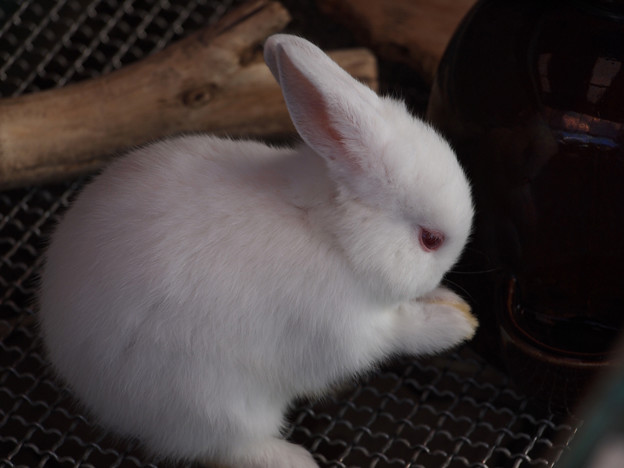
One of the smallest US show breeds: a tiny, energetic rabbit with a fully arched 'full-arch' racy body, slender build and bold, fearless temperament. Known to UK fanciers as the Polish; strictly a show and experienced-keeper pet.
ℹ️
Educational only. KinStation content is reviewed by licensed veterinarians but cannot replace an in-person exam. Always consult a licensed veterinarian or board-certified specialist for diagnosis, treatment, or any decision affecting your pet's health.
🩺 Need expert help with your britannia petite?
Connect with a specialist near you or ask a licensed vet — never substitute online guidance for hands-on care in an emergency.
From the minimum an animal needs to be kept humanely, up to the ideal setup. Bigger is almost always better — minimums are floors, not targets.
Photo coming soon
Minimum
Hutch + daily exercise run
Hutch 12 sq ft + 32 sq ft exercise run
Welfare floor: a rabbit must be able to take 3–4 consecutive hops, stand fully upright on its hind legs, and stretch flat. A hutch alone is never enough — pair it with several hours of daily run access. Britannia Petite is one of the smallest breeds (~1 kg) — small body still needs the welfare floor; they are also very high-energy and benefit from extra run time.
Photo coming soon
Recommended
X-pen with free-roam access
X-pen ~16 sq ft, free-roam most of the day
Exercise pen or rabbit-proofed room available most of the day, with hides at both ends, a hay station, dig/forage boxes, and a litter tray. Bonded pairs need proportionally more space.
Photo coming soon
Ideal
Free-roam house rabbit
Full room / free-roam, 24/7 access
Free-roam (like a house cat) with rabbit-proofed cabling, multiple hides, dig boxes, levels, and constant access to hay, water, and a litter area. Best welfare outcome and most natural behaviour.
Life & growth stages
How this animal changes through its life — each stage often has its own care, diet and space needs.
Photo coming soon
Newborn
Newborn mammals are nursed on their mother's milk. Many are born helpless — blind, deaf, and sparsely furred (altricial, as in dogs, cats, and rodents) — while others stand and follow within hours (precocial, as in hoofed livestock).
Photo coming soon
Juvenile
After weaning, juveniles grow quickly and become increasingly active, playful, and independent. Adult coat, proportions, and (in many species) the permanent teeth come in as they approach full size.
Photo coming soon
Adult
Adults reach full body size and sexual maturity, with the species' mature coat and build. Sexual dimorphism — differences in size, mane, horns, or markings — is pronounced in some mammals and subtle in others.
Senior
Senior animals show aging signs such as graying fur, reduced activity, and a greater need for veterinary monitoring of joints, teeth, and organ function. Lifespan and the onset of old age vary widely by species and size.
Color & pattern variants
Natural variants occur in the wild; selectively bred (man-made) variants were developed in captivity.
Cage or hutch (0.7 m² minimum) plus generous daily run time — this is a high-energy breed that needs space to dash and exercise. Solid flooring with bedding prevents sore hocks on the fine feet. Keep secure: they are fast, agile escape artists. Sensitive to heat, cold and drafts; often kept indoors. Provide stimulation to prevent boredom.
Diet
Unlimited grass hay, a small measured pellet portion sized to this very small breed, and daily leafy greens. Constant fresh water. Their high activity means they rarely run fat, but still avoid sugary treats and keep hay central for dental and gut health. Monitor body condition by feel given the lean conformation.
Behavior & temperament
Purpose: show and pet — too small for any commercial use. Temperament is the breed's defining trait: spirited, high-strung, bold and very active, sometimes described as fearless or 'attitude in a small package.' Not the calm lap rabbit of the American Polish; they can be skittish or nippy and need confident, patient handling, which is why they suit experienced keepers rather than young children.
Health
Tiny size makes GI stasis a rapid, life-threatening emergency — any drop in appetite or droppings is urgent. Prone to dental malocclusion (check incisors regularly). Sore hocks on hard floors. High-strung temperament means stress-related issues; minimize handling stress. Spaying does reduces uterine cancer risk. No characteristic lethal-dwarf-gene issue, but their extreme fine boning demands careful, gentle handling to avoid injury.
Tips, DIY & hacks
Best for experienced owners — socialize intensively from a young age and use calm, confident, full-body handling; never grab by the ears. Provide ample exercise and enrichment to channel their energy and reduce nippiness. Secure all enclosures (they jump and squeeze through gaps). Learn gut-stasis warning signs and keep an exotics vet on call. Keep a stable temperature and offer chew toys for the teeth.