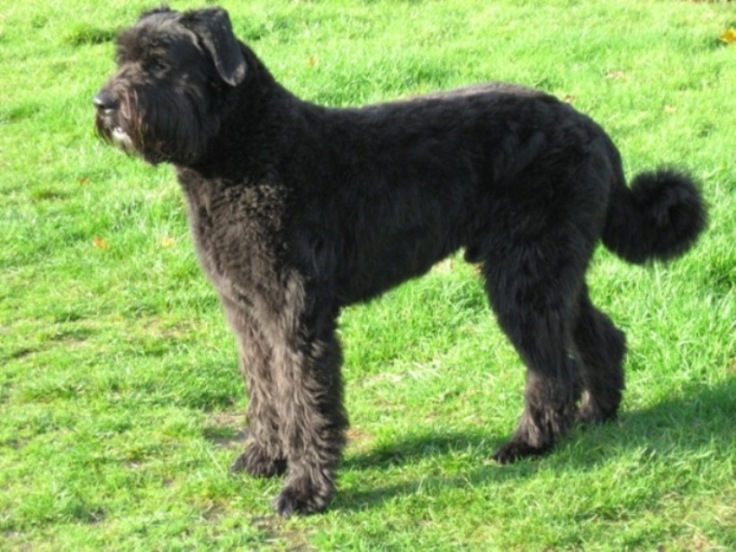
A powerful, rough-coated Belgian farm and herding dog turned versatile working and family guardian. Calm and steady but big, strong and grooming-intensive — best for experienced, active owners.
ℹ️
Educational only. KinStation content is reviewed by licensed veterinarians but cannot replace an in-person exam. Always consult a licensed veterinarian or board-certified specialist for diagnosis, treatment, or any decision affecting your pet's health.
🩺 Need expert help with your bouvier des flandres?
Connect with a specialist near you or ask a licensed vet — never substitute online guidance for hands-on care in an emergency.
From the minimum an animal needs to be kept humanely, up to the ideal setup. Bigger is almost always better — minimums are floors, not targets.
Photo coming soon
Minimum
House with yard + serious daily exercise
House + secure yard + 60–90 min exercise
A large dog can adjust to apartment life only with an athletic owner; most do better in a house with a secure yard and 60–90 minutes of structured exercise daily. Crate-train and supervise free-roam until reliably mannered.
Photo coming soon
Recommended
Suburban home + ¼-acre fence + 90 min exercise
House + ¼-acre fenced yard + 90 min exercise
A suburban property with a quarter-acre or larger securely fenced yard, 90 minutes of daily exercise split across walks and off-lead time, and consistent training. Most large breeds peak in this setting. High-drive working breed — the recommended tier still demands daily structured mental work (training, scent games, herding ball, fetch with rules), not just walks.
Photo coming soon
Ideal
Rural / acreage home + sport or working role
Acreage + secure fencing + canine sport / working role
Belgian cattle herder — drafting, herding, or protection sport satisfies the drive. — ideal is acreage or rural property paired with a daily job or canine sport: herding stock, scent detection, agility, protection sport, sledding, gundog field work, or a structured working role. Without that outlet, expect destructive behaviour, reactivity, and welfare-relevant frustration.
Life & growth stages
How this animal changes through its life — each stage often has its own care, diet and space needs.
Photo coming soon
Newborn
Newborn mammals are nursed on their mother's milk. Many are born helpless — blind, deaf, and sparsely furred (altricial, as in dogs, cats, and rodents) — while others stand and follow within hours (precocial, as in hoofed livestock).
Photo coming soon
Juvenile
After weaning, juveniles grow quickly and become increasingly active, playful, and independent. Adult coat, proportions, and (in many species) the permanent teeth come in as they approach full size.
Photo coming soon
Adult
Adults reach full body size and sexual maturity, with the species' mature coat and build. Sexual dimorphism — differences in size, mane, horns, or markings — is pronounced in some mammals and subtle in others.
Senior
Senior animals show aging signs such as graying fur, reduced activity, and a greater need for veterinary monitoring of joints, teeth, and organ function. Lifespan and the onset of old age vary widely by species and size.
Color & pattern variants
Natural variants occur in the wild; selectively bred (man-made) variants were developed in captivity.
Not an apartment breed for most owners: large, energetic and happiest with space and a job. A house with a secure yard suits it best, plus **substantial daily exercise** — long walks, hikes, herding, cart-pulling or dog sports. Mentally needs work as much as physical activity. Tolerates cool climates well thanks to the dense coat but can overheat in hot weather.
Diet
Large-breed balanced diet with controlled growth for puppies to protect developing joints. Keep adults lean to ease the hips and elbows. **Deep-chested, so feed measured meals (typically two daily rather than one large meal), avoid heavy exercise right around eating, and learn the signs of bloat (GDV)** — a veterinary emergency; many owners discuss prophylactic gastropexy.
Behavior & temperament
Even-tempered, intelligent and loyal, with a strong protective instinct and natural wariness of strangers — a capable watchdog. **Good with children and family pets** when raised together, but its size and herding drive mean supervision with small kids. Highly trainable and used in police, service and obedience work, yet independent enough to need a confident, consistent handler. High exercise and mental-stimulation needs; under-worked dogs can become bored and pushy. Early, thorough socialization is essential.
Health
Predispositions include **hip and elbow dysplasia, gastric dilatation-volvulus (bloat), hypothyroidism, glaucoma and other eye disorders, subaortic stenosis (a heart condition) and certain cancers**. Recommended screening: hip and elbow radiographs (OFA/PennHIP), ophthalmologist eye exam, cardiac evaluation and thyroid testing. A laryngeal/megaesophagus consideration exists in some lines. Buy from breeders who health-test breeding stock.
Tips, DIY & hacks
The harsh, weather-resistant double coat needs **serious upkeep** — brush/comb several times weekly to prevent matting, plus professional grooming and hand-stripping or trimming every 6-8 weeks; the beard traps food and water. Moderate but year-round shedder. Start obedience and socialization early and keep the mind busy. Use positive, firm training; this is a thinking dog that resents harshness. Budget time and money for grooming and exercise before committing.