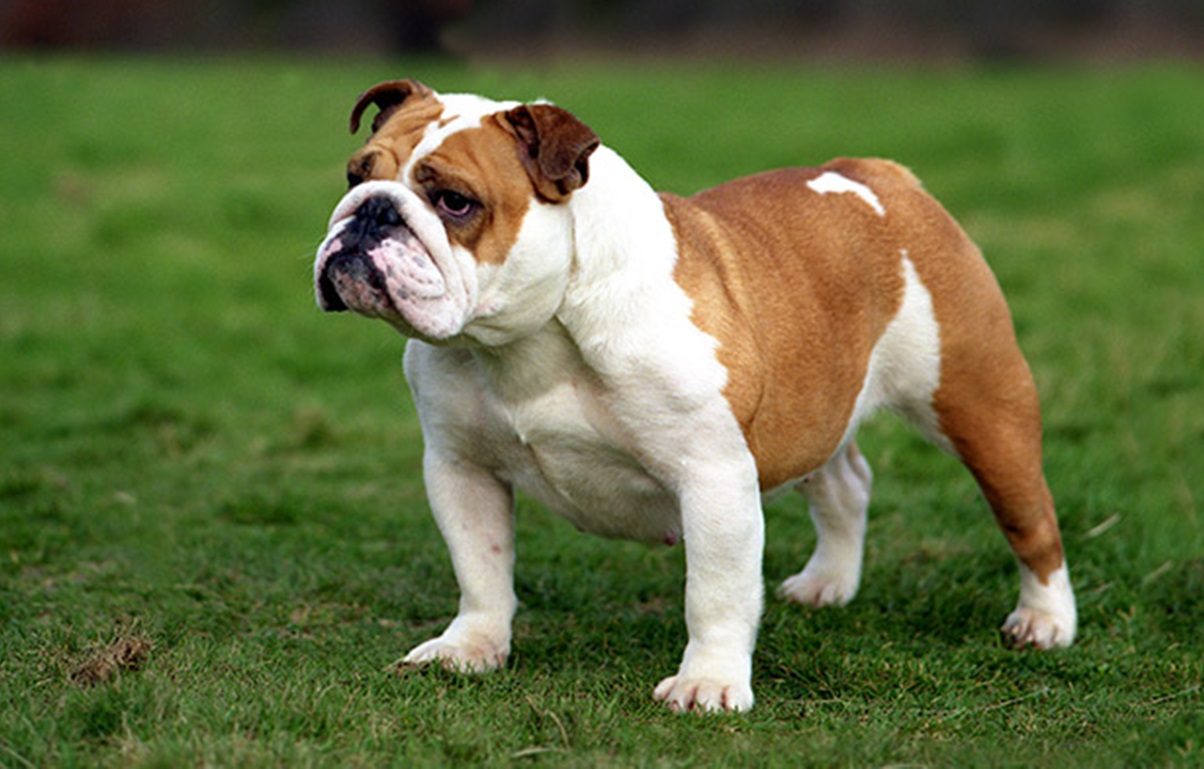
A thickset, low-slung, wrinkly-faced companion descended from the bull-baiting dogs of England, now bred for a gentle, affectionate disposition. Beloved for its calm temperament, but its extreme conformation carries serious, well-documented welfare and health burdens.
ℹ️
Educational only. KinStation content is reviewed by licensed veterinarians but cannot replace an in-person exam. Always consult a licensed veterinarian or board-certified specialist for diagnosis, treatment, or any decision affecting your pet's health.
🩺 Need expert help with your bulldog?
Connect with a specialist near you or ask a licensed vet — never substitute online guidance for hands-on care in an emergency.
From the minimum an animal needs to be kept humanely, up to the ideal setup. Bigger is almost always better — minimums are floors, not targets.
Photo coming soon
Minimum
Home with daily structured exercise
Apartment/house + 60 min daily exercise
Medium dogs need at least an hour of varied daily exercise — leashed walks plus off-lead play or training. Apartment living is workable only if exercise commitments are met every day; crate-train and allow supervised free-roam at home. Brachycephalic — avoid heat and high-intensity exercise; air-conditioning is non-negotiable in warm weather, and short flat-faced breeds can collapse from heatstroke quickly.
Photo coming soon
Recommended
Home with fenced yard + training time
House + fenced yard + 60–90 min varied exercise
A home with a securely fenced yard, daily walks plus off-lead play, and ongoing training keeps a medium dog mentally satisfied. Add a sport or hobby (fetch, scent games, agility intro) for breeds with extra drive.
Photo coming soon
Ideal
Active home with a job or sport
Suburban/rural home + secure yard + canine sport
An active home with a securely fenced yard and a regular sport or job — agility, dock diving, scent work, herding intro, gundog field work — matched to the breed. Most mediums shine when they have a purpose.
Life & growth stages
How this animal changes through its life — each stage often has its own care, diet and space needs.
Photo coming soon
Newborn
Newborn mammals are nursed on their mother's milk. Many are born helpless — blind, deaf, and sparsely furred (altricial, as in dogs, cats, and rodents) — while others stand and follow within hours (precocial, as in hoofed livestock).
Photo coming soon
Juvenile
After weaning, juveniles grow quickly and become increasingly active, playful, and independent. Adult coat, proportions, and (in many species) the permanent teeth come in as they approach full size.
Photo coming soon
Adult
Adults reach full body size and sexual maturity, with the species' mature coat and build. Sexual dimorphism — differences in size, mane, horns, or markings — is pronounced in some mammals and subtle in others.
Senior
Senior animals show aging signs such as graying fur, reduced activity, and a greater need for veterinary monitoring of joints, teeth, and organ function. Lifespan and the onset of old age vary widely by species and size.
Color & pattern variants
Natural variants occur in the wild; selectively bred (man-made) variants were developed in captivity.
Well suited to apartments and homes without yards because exercise needs are low, but the breed is highly heat- and exercise-intolerant: keep cool and air-conditioned, exercise only in the cool parts of the day, and never leave one in heat or humidity. Short, gentle walks and indoor play are enough; they tire quickly and can struggle to breathe with exertion. Most are poor swimmers and can drown — supervise near water. An indoor dog that needs a cool, calm environment.
Diet
Strongly obesity-prone, and excess weight dramatically worsens breathing, joints, and heat tolerance — measure food carefully and keep distinctly lean. Feed a quality diet in two meals; avoid free-feeding. Skin/food sensitivities are common. Their crowded teeth and undershot jaw make dental care important. Not classically deep-chested, but flat-faced dogs swallow air — slow-feeder bowls help reduce gas and gulping.
Behavior & temperament
Calm, friendly, courageous and notably affectionate; usually excellent and patient with children and tolerant of other pets. Low energy and somewhat stubborn but people-pleasing — short, positive, food-motivated training sessions work best. Generally not high-drive or escape-prone. Many are sensitive to being left alone and want to be near their family. A wonderful temperament wrapped in a body that needs careful health management.
Health
A brachycephalic breed with among the heaviest health burdens in dogs. Major issues: Brachycephalic Obstructive Airway Syndrome (BOAS) and severe heat intolerance; hip and elbow dysplasia; patellar luxation; screw-tail and associated skin-fold/tail-pocket dermatitis; cherry eye, entropion and dry eye; brachycephalic-related dystocia (most require C-section); skin allergies; and heart disease. Recommended screening: BOAS/airway assessment, hip and patella evaluation, cardiac and ophthalmologic exams, and tracheal/spine checks. Welfare note: prospective owners should seek breeders selecting for healthier, more moderate airways and structure, and be prepared for higher veterinary costs and a shorter lifespan.
Tips, DIY & hacks
Short, smooth coat is low-maintenance for shedding (weekly brushing), but the wrinkles are the real work: clean and thoroughly dry facial folds, nose rope, and tail pocket several times a week to prevent painful fold dermatitis and infection. Keep nails trimmed and teeth brushed. Manage weight rigorously. Provide cooling mats and shade in summer, avoid stairs/jumping that stress joints and spine, and watch for labored breathing as a sign to stop and cool down.