🐾 Land🐦 FlyingCare difficulty: BeginnerLegal complexity: Low
Cayuga
Anas platyrhynchos domesticus · also called Cayuga Duck, Big Black Duck
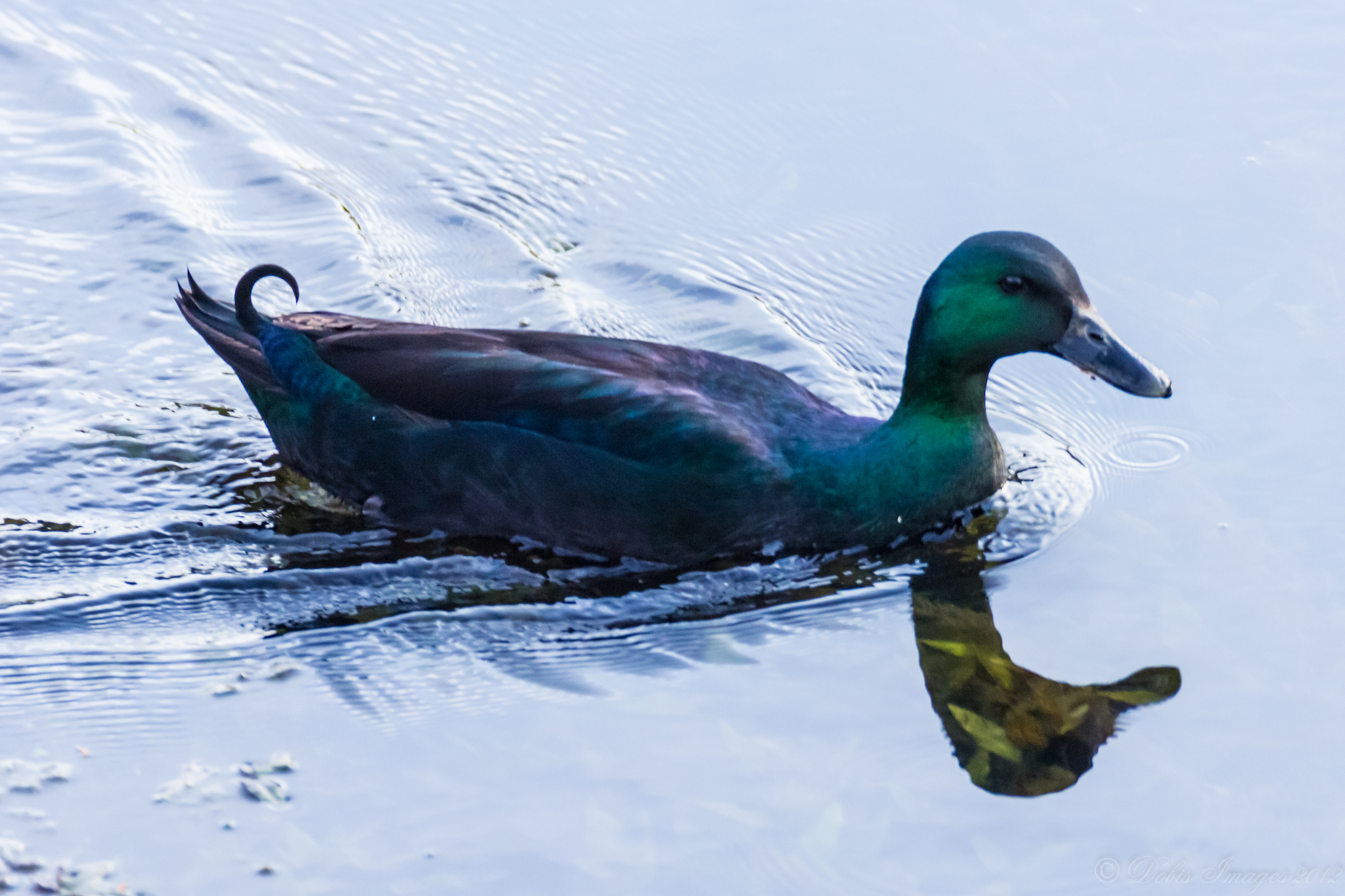
The Cayuga is a strikingly beautiful all-black American duck with an iridescent green sheen, valued as a hardy dual-purpose breed and a calm, ornamental homestead favourite.
Educational only. KinStation content is reviewed by licensed veterinarians but cannot replace an in-person exam. Always consult a licensed veterinarian or board-certified specialist for diagnosis, treatment, or any decision affecting your pet's health.
🩺 Need expert help with your cayuga?
Connect with a specialist near you or ask a licensed vet — never substitute online guidance for hands-on care in an emergency.
Quick facts
| Size | Standard heavy breed: drakes ~3.2-3.6 kg, ducks ~2.7-3.2 kg. Solid black plumage with a brilliant beetle-green iridescent sheen. |
| Lifespan | 8–12 years |
| Social needs | group |
| Native region | United States |
| Family | Anatidae |
| Genus | Anas |
Part of the Duck breeds
Recognized duck breeds — selectively bred for type, purpose, and appearance.
Habitat & space requirements
From the minimum an animal needs to be kept humanely, up to the ideal setup. Bigger is almost always better — minimums are floors, not targets.
Life & growth stages
How this animal changes through its life — each stage often has its own care, diet and space needs.
Habitat & enclosure
Keep as a flock with a predator-proof house and a run or free range over grass. Heavy and essentially flightless, so low fencing contains them well. Provide shade in summer — black plumage absorbs heat. They are notably cold-hardy and tolerate northern winters with dry, draft-free shelter. Offer head-dunking water at minimum and bathing water if possible. Allow ~1-1.5 m² indoor floor per bird plus outdoor range.
Diet
Feed a waterfowl/poultry layer or maintenance pellet. Excellent foragers that eat slugs, snails, beetles and other garden pests. Supplement with greens and grit; laying females need calcium. As a heavier breed, watch overall condition to avoid obesity in confined birds.
Behavior & temperament
Dual-purpose (eggs and meat) and ornamental. Lays around 100-150 eggs a year that are famously dark — often black or charcoal grey early in the season, lightening to grey/white as the season progresses. Calm, quiet, docile and hardy, making them one of the easiest ducks for beginners and families. Some hens go broody and make decent mothers. Historically a table bird, though the dark pin feathers make a plucked carcass less tidy.
Health
Robust and disease-resistant with few breed-specific problems; one of the hardiest domestic ducks. As they age, many develop white feathers mixed into the black plumage (normal, not a defect for pets, though it counts against show birds). Provide shade to prevent heat stress in dark-feathered birds. Standard waterfowl care prevents bumblefoot and niacin-deficiency leg issues in ducklings.
Tips, DIY & hacks
If you value the novelty dark eggs, collect early-season eggs for the deepest colour. Their quiet voice suits keepers with neighbours. The green sheen shows best in sunlight — site their run where you can enjoy it. Don't be alarmed by greying plumage with age; it's expected. Excellent beginner duck: hardy, calm, self-sufficient foragers that thrive on simple management.
Sources
- Cayuga duck — Wikipedia (encyclopedia)
- The Livestock Conservancy — Cayuga Duck (breed association)
- Wikipedia: Cayuga (wiki)