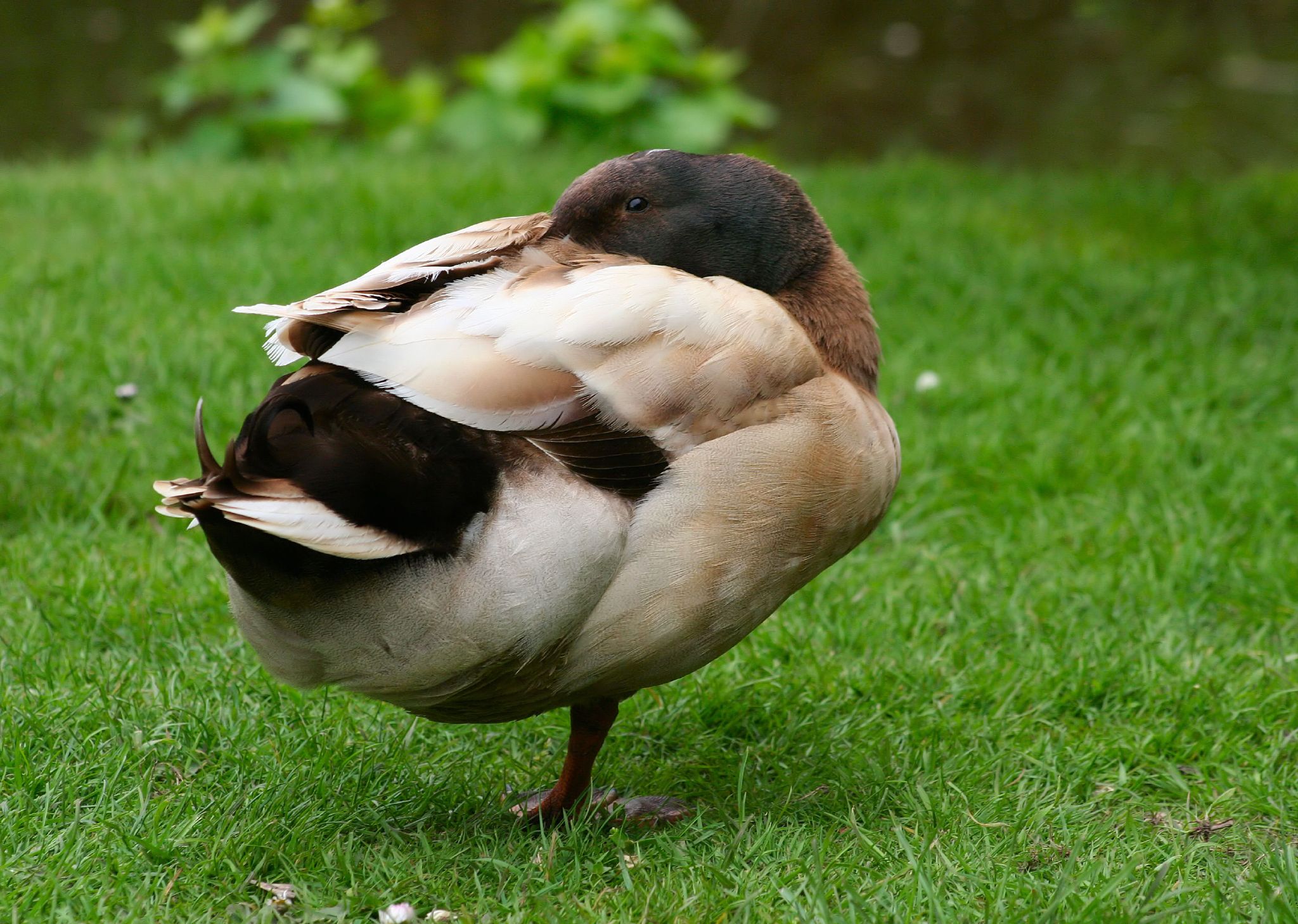
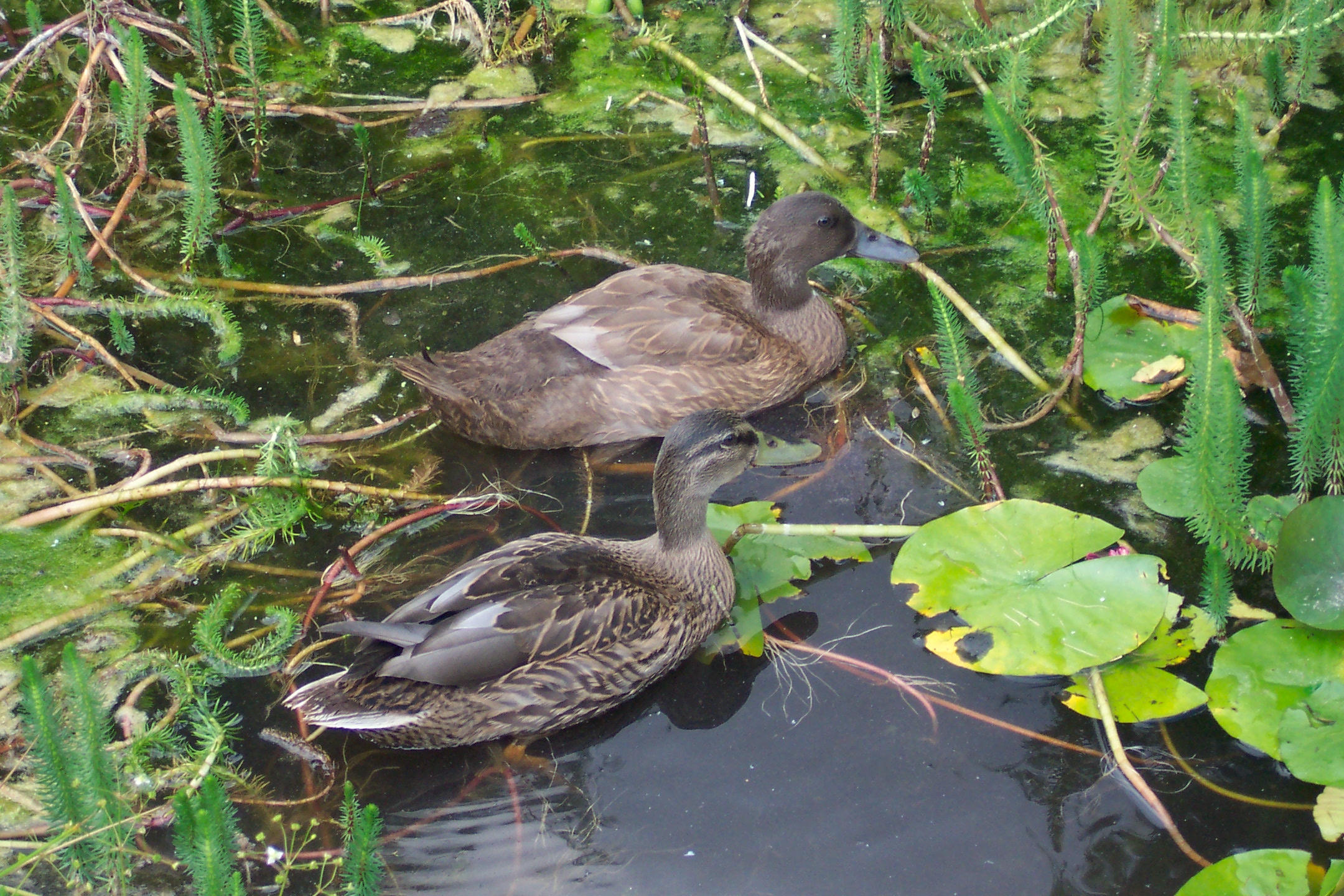
One of the most prolific egg-laying ducks ever bred—developed in England around 1900 from Indian Runner, Rouen, and Mallard stock. A lean, active khaki-colored duck that can out-lay most chickens.
ℹ️
Educational only. KinStation content is reviewed by licensed veterinarians but cannot replace an in-person exam. Always consult a licensed veterinarian or board-certified specialist for diagnosis, treatment, or any decision affecting your pet's health.
🩺 Need expert help with your khaki campbell?
Connect with a specialist near you or ask a licensed vet — never substitute online guidance for hands-on care in an emergency.
From the minimum an animal needs to be kept humanely, up to the ideal setup. Bigger is almost always better — minimums are floors, not targets.
Photo coming soon
Minimum
Shelter + run + water
4 sq ft shelter + 15 sq ft run / bird + pool
Khaki Campbells are prolific medium-weight egg-laying ducks. A welfare minimum is 4 sq ft of shelter and 15 sq ft of run per bird, with deep clean water for full head dunking, a kiddie-pool ≥ 20 gal per bird, grit, calcium, clean nest area, and predator-proof ½ in hardware cloth.
Photo coming soon
Recommended
Shelter + roomy run + pool
6 sq ft shelter + 25 sq ft run / bird + pool
A 6 sq ft per bird shelter with a 25+ sq ft per bird run and a large pool gives Campbells room to forage, swim, and preen. Among the world's most productive layers (300+ eggs/yr) — provide varied forage, a draught-free winter shelter, and ample swim water year-round.
Photo coming soon
Ideal
Pasture + pond + rotation
10 sq ft shelter + pasture + natural pond
A 10 sq ft per bird shelter with rotated pasture and natural pond access is the welfare ideal. Campbells convert invertebrate forage into eggs with high efficiency — provide overhead cover for hawks, a draught-free winter shelter, and a non-slip pond ramp for safe daily swimming.
Life & growth stages
How this animal changes through its life — each stage often has its own care, diet and space needs.
Photo coming soon
Egg
Birds develop inside a hard-shelled egg incubated by the parent(s). Egg size, shell color, and clutch size vary by species; the embryo develops over days to weeks before hatching.
Photo coming soon
Hatchling / Chick
Hatchlings are either altricial — naked, blind, and dependent on parents (typical of parrots and songbirds) — or precocial — downy, mobile, and self-feeding soon after hatching (typical of poultry and waterfowl). Down gives way to the first feathers.
Photo coming soon
Juvenile / Fledgling
Fledglings grow in their juvenile plumage and begin to fly and feed themselves, though they may still beg from parents at first. Juvenile feathering is often duller than the adult and is replaced as the bird matures.
Adult
Adults attain full body size and mature plumage, and are capable of breeding. Many species show distinct adult coloration, and in sexually dimorphic birds males and females differ in plumage, size, or markings.
no rights reserved via iNaturalist — https://www.inaturalist.org/observations/16238282
Color & pattern variants
Natural variants occur in the wild; selectively bred (man-made) variants were developed in captivity.
Ground-level dry shelter with nest space at floor level plus a run; they are active foragers that want room to roam and bathing water (a pool or pond). Lighter and more agile than Pekins, some can flutter over low fences, so use adequate fencing. Hardy in cold and heat with shade and dry bedding; provide secure night housing as they are alert but vulnerable to predators.
Diet
A layer or waterfowl ration (with niacin) is essential to sustain their heavy laying, plus free-choice oyster shell and grit. Superb foragers that take insects, slugs, and greens, but their egg output means they need a consistent balanced feed—don't rely on foraging alone. Always provide deep, clean water for head-dunking and unlimited access during the laying season.
Behavior & temperament
Active, alert, somewhat flighty egg-laying ducks—the breed's whole purpose is eggs, with top hens laying 250-340+ white/tinted eggs per year, rivaling the best laying chickens. Energetic and nervous rather than cuddly; they calm with gentle, consistent handling from ducklings. Strongly flock-oriented and busy foragers; non-broody as a rule, so eggs are usually incubated.
Health
A hardy, vigorous, long-lived breed with few inherited problems. The main welfare notes are diet-related: such intense laying demands adequate calcium (oyster shell) and protein to prevent depletion, and ducklings need niacin to avoid leg weakness. Their high-strung temperament makes them prone to stress in cramped or chaotic conditions, so steady routines and space matter.
Tips, DIY & hacks
Keep them for eggs, not meat—they're lean and lightweight. Provide constant calcium and a true layer/waterfowl feed to sustain output and protect the hens' bone health. Handle gently and regularly from ducklinghood to reduce their natural flightiness. Since they rarely go broody, plan to incubate; keep a calm environment and at least a few birds together, as stress drops their laying.