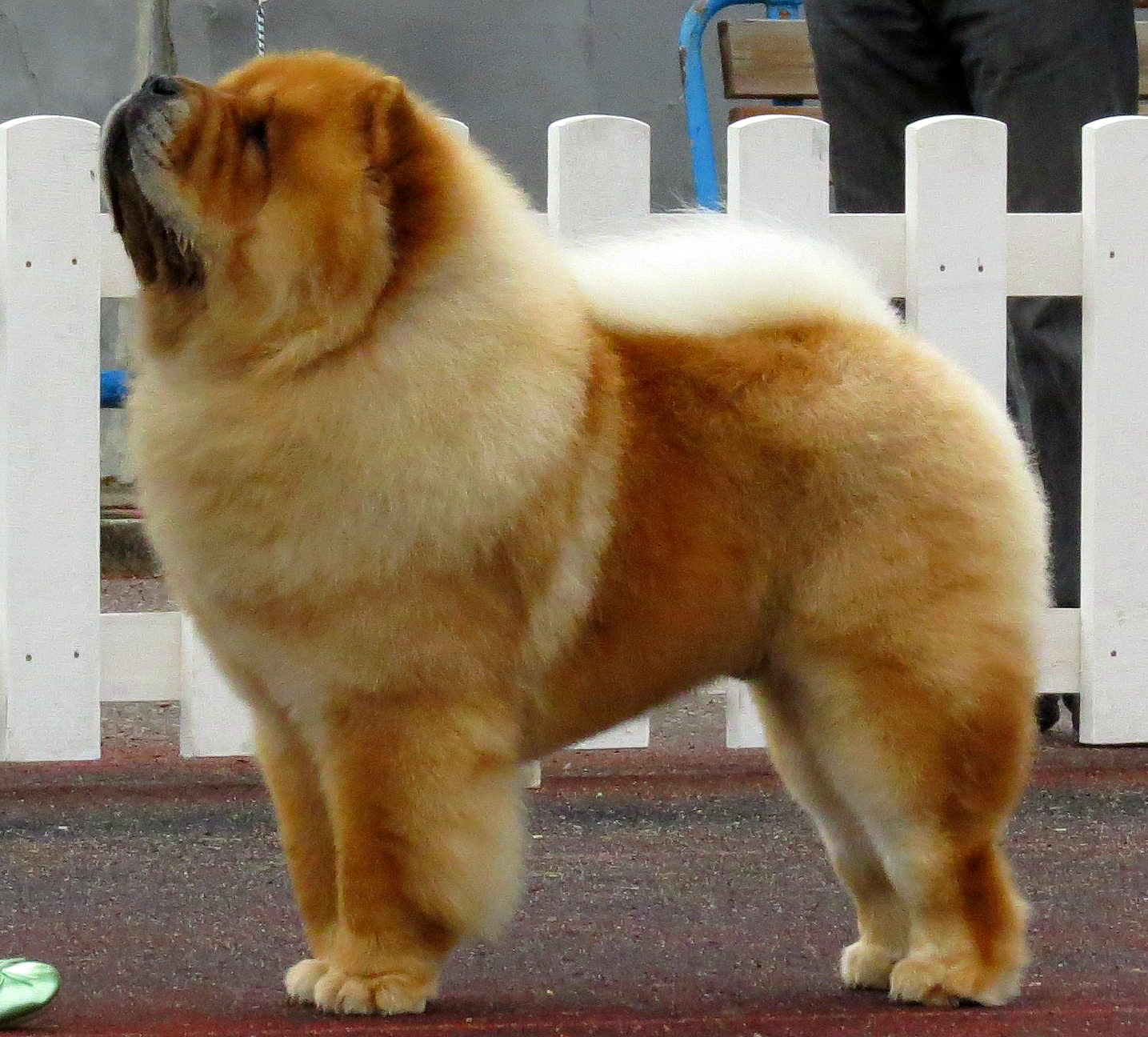
An ancient Chinese breed famous for its lion-like mane, scowling expression, and distinctive blue-black tongue. Dignified, aloof, and strongly loyal to its own people, the Chow Chow needs experienced, committed ownership.
ℹ️
Educational only. KinStation content is reviewed by licensed veterinarians but cannot replace an in-person exam. Always consult a licensed veterinarian or board-certified specialist for diagnosis, treatment, or any decision affecting your pet's health.
🩺 Need expert help with your chow chow?
Connect with a specialist near you or ask a licensed vet — never substitute online guidance for hands-on care in an emergency.
From the minimum an animal needs to be kept humanely, up to the ideal setup. Bigger is almost always better — minimums are floors, not targets.
Photo coming soon
Minimum
Home with daily structured exercise
Apartment/house + 60 min daily exercise
Medium dogs need at least an hour of varied daily exercise — leashed walks plus off-lead play or training. Apartment living is workable only if exercise commitments are met every day; crate-train and allow supervised free-roam at home. Heavy-coated arctic breed — minimum acceptable climate must include shade, air-conditioning in summer, and never leave outside on hot days. They shed heavily year-round.
Photo coming soon
Recommended
Home with fenced yard + training time
House + fenced yard + 60–90 min varied exercise
A home with a securely fenced yard, daily walks plus off-lead play, and ongoing training keeps a medium dog mentally satisfied. Add a sport or hobby (fetch, scent games, agility intro) for breeds with extra drive.
Photo coming soon
Ideal
Active home with a job or sport
Suburban/rural home + secure yard + canine sport
An active home with a securely fenced yard and a regular sport or job — agility, dock diving, scent work, herding intro, gundog field work — matched to the breed. Most mediums shine when they have a purpose.
Life & growth stages
How this animal changes through its life — each stage often has its own care, diet and space needs.
Photo coming soon
Newborn
Newborn mammals are nursed on their mother's milk. Many are born helpless — blind, deaf, and sparsely furred (altricial, as in dogs, cats, and rodents) — while others stand and follow within hours (precocial, as in hoofed livestock).
Photo coming soon
Juvenile
After weaning, juveniles grow quickly and become increasingly active, playful, and independent. Adult coat, proportions, and (in many species) the permanent teeth come in as they approach full size.
Photo coming soon
Adult
Adults reach full body size and sexual maturity, with the species' mature coat and build. Sexual dimorphism — differences in size, mane, horns, or markings — is pronounced in some mammals and subtle in others.
Senior
Senior animals show aging signs such as graying fur, reduced activity, and a greater need for veterinary monitoring of joints, teeth, and organ function. Lifespan and the onset of old age vary widely by species and size.
Color & pattern variants
Natural variants occur in the wild; selectively bred (man-made) variants were developed in captivity.
Adaptable to apartments or houses given moderate daily exercise; the Chow is a relatively low-energy breed content with a couple of moderate walks. It is heat-sensitive due to its heavy coat and somewhat flat face, so avoid exertion in hot, humid weather and provide shade, cooling, and fresh water. A secure yard is appreciated but not essential.
Diet
Feed a balanced diet portioned to maintain a lean body condition; Chows gain weight easily, and obesity worsens joint and heat-tolerance problems. Provide steady access to water, especially given heat sensitivity. No unusual nutritional needs beyond weight control.
Behavior & temperament
Independent, reserved, and cat-like in temperament. Chows are deeply loyal to their family but typically aloof with strangers and can be territorial and same-sex dog-aggressive without thorough early socialization. They are intelligent but stubborn, requiring patient, consistent, reward-based training. Best with respectful older children; supervise around young kids and unfamiliar dogs.
Health
Predisposed to hip and elbow dysplasia, patellar luxation, and notably several painful eye conditions linked to exaggerated facial conformation, including entropion (inward-rolling eyelids) and glaucoma. The deep skin folds and short, broad muzzle can contribute to mild brachycephalic airway compromise and heat intolerance. Autoimmune, thyroid, and skin conditions occur. Recommended screening: hip/elbow, patella, and thorough ophthalmologic exams; choose breeders prioritizing open eyes and functional muzzles over extreme features.
Tips, DIY & hacks
The dense double coat (rough or smooth) needs frequent brushing, several times weekly and daily during heavy seasonal sheds, to prevent matting; they are heavy shedders. Clean facial and tail folds to avoid moisture dermatitis. Socialize intensively and early. Approach the breed's aloofness with respect rather than force, and prioritize breeders who breed away from extreme wrinkling and entropion.