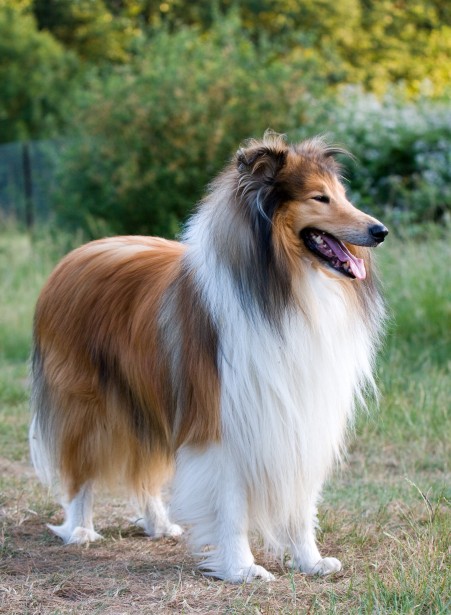
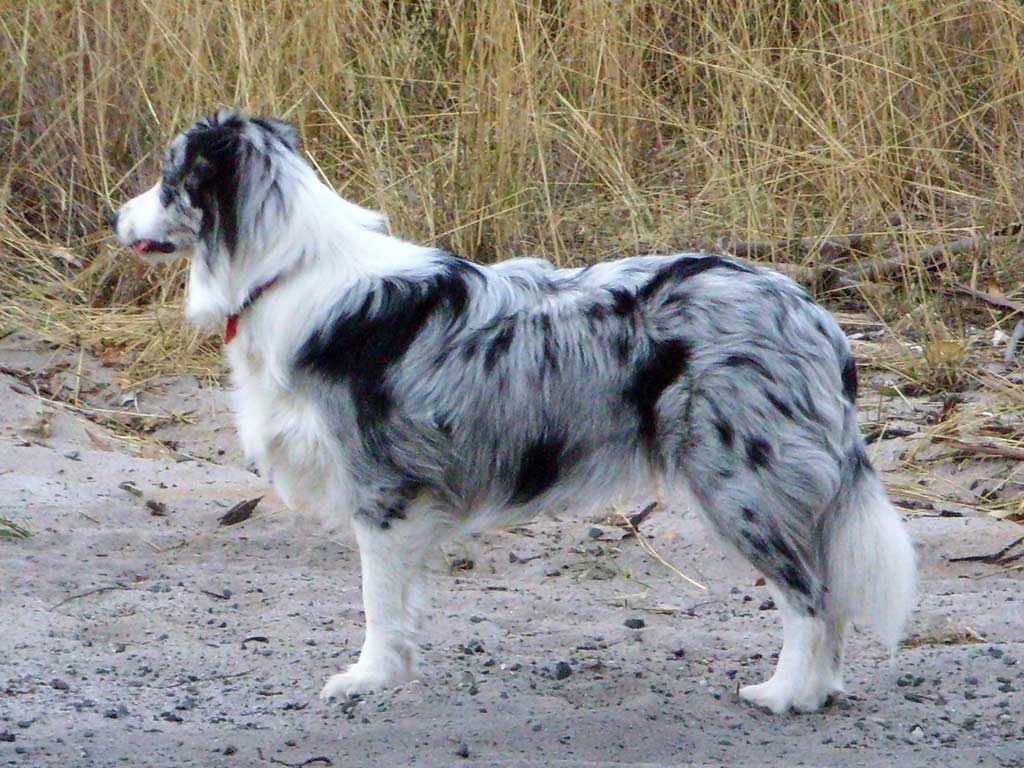
An elegant Scottish herding breed in Rough (long-coated) and Smooth varieties, the Collie is famously gentle, devoted, and intelligent. A sensitive, family-oriented dog made iconic by 'Lassie.'
ℹ️
Educational only. KinStation content is reviewed by licensed veterinarians but cannot replace an in-person exam. Always consult a licensed veterinarian or board-certified specialist for diagnosis, treatment, or any decision affecting your pet's health.
🩺 Need expert help with your collie?
Connect with a specialist near you or ask a licensed vet — never substitute online guidance for hands-on care in an emergency.
From the minimum an animal needs to be kept humanely, up to the ideal setup. Bigger is almost always better — minimums are floors, not targets.
Photo coming soon
Minimum
House with yard + serious daily exercise
House + secure yard + 60–90 min exercise
A large dog can adjust to apartment life only with an athletic owner; most do better in a house with a secure yard and 60–90 minutes of structured exercise daily. Crate-train and supervise free-roam until reliably mannered.
Photo coming soon
Recommended
Suburban home + ¼-acre fence + 90 min exercise
House + ¼-acre fenced yard + 90 min exercise
A suburban property with a quarter-acre or larger securely fenced yard, 90 minutes of daily exercise split across walks and off-lead time, and consistent training. Most large breeds peak in this setting. High-drive working breed — the recommended tier still demands daily structured mental work (training, scent games, herding ball, fetch with rules), not just walks.
Photo coming soon
Ideal
Rural / acreage home + sport or working role
Acreage + secure fencing + canine sport / working role
Rough/smooth herding collie — stockwork or active sport suits the breed. — ideal is acreage or rural property paired with a daily job or canine sport: herding stock, scent detection, agility, protection sport, sledding, gundog field work, or a structured working role. Without that outlet, expect destructive behaviour, reactivity, and welfare-relevant frustration.
Life & growth stages
How this animal changes through its life — each stage often has its own care, diet and space needs.
Photo coming soon
Newborn
Newborn mammals are nursed on their mother's milk. Many are born helpless — blind, deaf, and sparsely furred (altricial, as in dogs, cats, and rodents) — while others stand and follow within hours (precocial, as in hoofed livestock).
Photo coming soon
Juvenile
After weaning, juveniles grow quickly and become increasingly active, playful, and independent. Adult coat, proportions, and (in many species) the permanent teeth come in as they approach full size.
Photo coming soon
Adult
Adults reach full body size and sexual maturity, with the species' mature coat and build. Sexual dimorphism — differences in size, mane, horns, or markings — is pronounced in some mammals and subtle in others.
Senior
Senior animals show aging signs such as graying fur, reduced activity, and a greater need for veterinary monitoring of joints, teeth, and organ function. Lifespan and the onset of old age vary widely by species and size.
Color & pattern variants
Natural variants occur in the wild; selectively bred (man-made) variants were developed in captivity.
Adaptable to houses and apartments if given daily exercise and companionship; Collies are moderately active herding dogs that enjoy walks, play, herding, and dog sports. They thrive on family involvement and can become bored or vocal (some are prone to barking) if under-exercised or isolated. A securely fenced yard is beneficial.
Diet
Feed a balanced large-breed diet portioned to maintain a lean body condition. No unique nutritional needs, but note the MDR1 drug-sensitivity gene (see health) affects certain medications, not diet. Avoid overfeeding to protect joints.
Behavior & temperament
Gentle, friendly, devoted, and highly trainable, Collies are sensitive dogs that respond best to kind, positive methods and dislike harsh handling. They are intelligent herders that may nip or herd moving children and pets without training. Excellent family companions, generally great with kids and other animals; many are watchful and somewhat vocal.
Health
Carries the MDR1 (ABCB1) gene mutation causing sensitivity to certain drugs (e.g., ivermectin, some anesthetics and antidiarrheals) - DNA testing is strongly recommended. Predisposed to Collie Eye Anomaly (CEA) and progressive retinal atrophy, plus hip dysplasia, dermatomyositis, and bloat risk in this deeper-chested breed. Recommended screening: MDR1 and CEA/PRA DNA tests, ophthalmologist exam, and hip evaluation.
Tips, DIY & hacks
The Rough Collie's long double coat needs brushing several times weekly (and more during heavy seasonal sheds) to prevent mats behind the ears and on the legs; the Smooth Collie is far lower-maintenance but still sheds. Both shed substantially. Always inform your vet of MDR1 status before prescribing drugs. Provide mental stimulation, early socialization, and gentle, reward-based training.