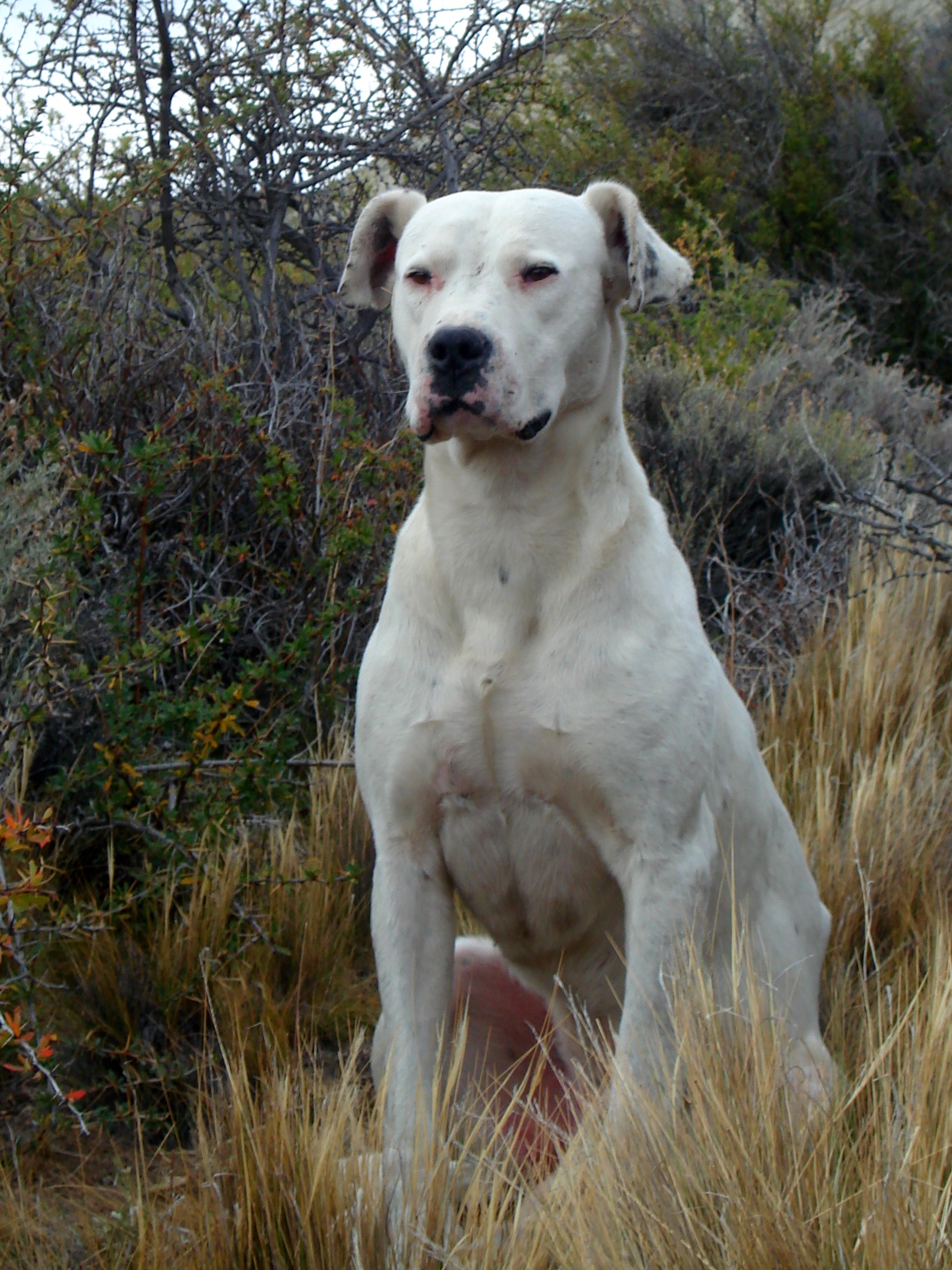
A powerful, athletic white mastiff bred in Argentina for big-game hunting and as a guardian. Loyal and people-oriented but strong-willed, demanding an experienced owner committed to training and socialization.
ℹ️
Educational only. KinStation content is reviewed by licensed veterinarians but cannot replace an in-person exam. Always consult a licensed veterinarian or board-certified specialist for diagnosis, treatment, or any decision affecting your pet's health.
🩺 Need expert help with your dogo argentino?
Connect with a specialist near you or ask a licensed vet — never substitute online guidance for hands-on care in an emergency.
From the minimum an animal needs to be kept humanely, up to the ideal setup. Bigger is almost always better — minimums are floors, not targets.
Photo coming soon
Minimum
Free-roam home (large)
House + 60-min daily walks + secure space
Crate-trained + supervised free-roam in the home. Dogo Argentino is a powerful hunting/working breed — needs experienced handler, structured training, secure fencing, and a job; banned in some jurisdictions.
Photo coming soon
Recommended
Yarded family home
Suburban home + 1/4-1/2 ac fenced yard + 90-min off-lead
Home with secure yard, daily structured exercise, household-pet status.
Photo coming soon
Ideal
Active home with a purpose
Rural home + acreage + working/sport role
Maximum welfare: space + exercise + the breed's purpose satisfied (herding, scent work, lure coursing, dock diving, agility, etc.). Dogo Argentino is a powerful hunting/working breed — needs experienced handler, structured training, secure fencing, and a job; banned in some jurisdictions.
Life & growth stages
How this animal changes through its life — each stage often has its own care, diet and space needs.
Photo coming soon
Newborn
Newborn mammals are nursed on their mother's milk. Many are born helpless — blind, deaf, and sparsely furred (altricial, as in dogs, cats, and rodents) — while others stand and follow within hours (precocial, as in hoofed livestock).
Photo coming soon
Juvenile
After weaning, juveniles grow quickly and become increasingly active, playful, and independent. Adult coat, proportions, and (in many species) the permanent teeth come in as they approach full size.
Photo coming soon
Adult
Adults reach full body size and sexual maturity, with the species' mature coat and build. Sexual dimorphism — differences in size, mane, horns, or markings — is pronounced in some mammals and subtle in others.
Senior
Senior animals show aging signs such as graying fur, reduced activity, and a greater need for veterinary monitoring of joints, teeth, and organ function. Lifespan and the onset of old age vary widely by species and size.
Color & pattern variants
Natural variants occur in the wild; selectively bred (man-made) variants were developed in captivity.
Not suited to confined apartment life. Does best in a home with a securely fenced yard and an active owner. Needs substantial daily exercise (60+ minutes of vigorous activity: long walks, running, structured play) plus mental stimulation. Heat- and cold-sensitive: the short white coat offers little insulation and the depigmented skin sunburns easily, so limit midday sun and provide shade and shelter.
Diet
Feed a high-quality large-breed diet appropriate to a muscular, active dog; match calories to workload to avoid excess weight that strains joints. As a deep-chested breed, the Dogo is at elevated risk of gastric dilatation-volvulus (bloat): feed measured meals split into two per day rather than one large meal, and avoid heavy exercise immediately before and after eating. Discuss any large-breed puppy growth plan with a vet to support steady, controlled growth.
Behavior & temperament
Affectionate, loyal and bonded to family, with strong guarding and prey instincts. Highly intelligent but independent and dominant, so requires confident, consistent, reward-based training and intensive early socialization. High energy and stamina. Can be good with children it is raised with under supervision, but same-sex dog aggression and high prey drive toward small animals are common; cohabitation with other pets requires careful management. Breed-specific legislation restricts or bans ownership in some countries and jurisdictions.
Health
Pigment-related congenital deafness is the most notable breed concern (linked to the white coat and piebald pigmentation genetics); BAER hearing testing of puppies is strongly recommended. Also predisposed to hip dysplasia, hypothyroidism, and demodectic mange/skin issues; the breed is bloat-prone (GDV). Recommended screening: BAER (deafness), hip and elbow evaluation, thyroid panel, and ophthalmologic exam.
Tips, DIY & hacks
Coat care is easy: short, single white coat sheds moderately; weekly brushing and occasional baths suffice. Apply pet-safe sunscreen to thinly haired areas (nose, ears, belly) and limit intense sun exposure. Prioritize early, ongoing socialization and obedience from puppyhood; this is not a beginner breed. Provide a job and daily structure to channel its drive, and always use secure fencing and reliable recall management.