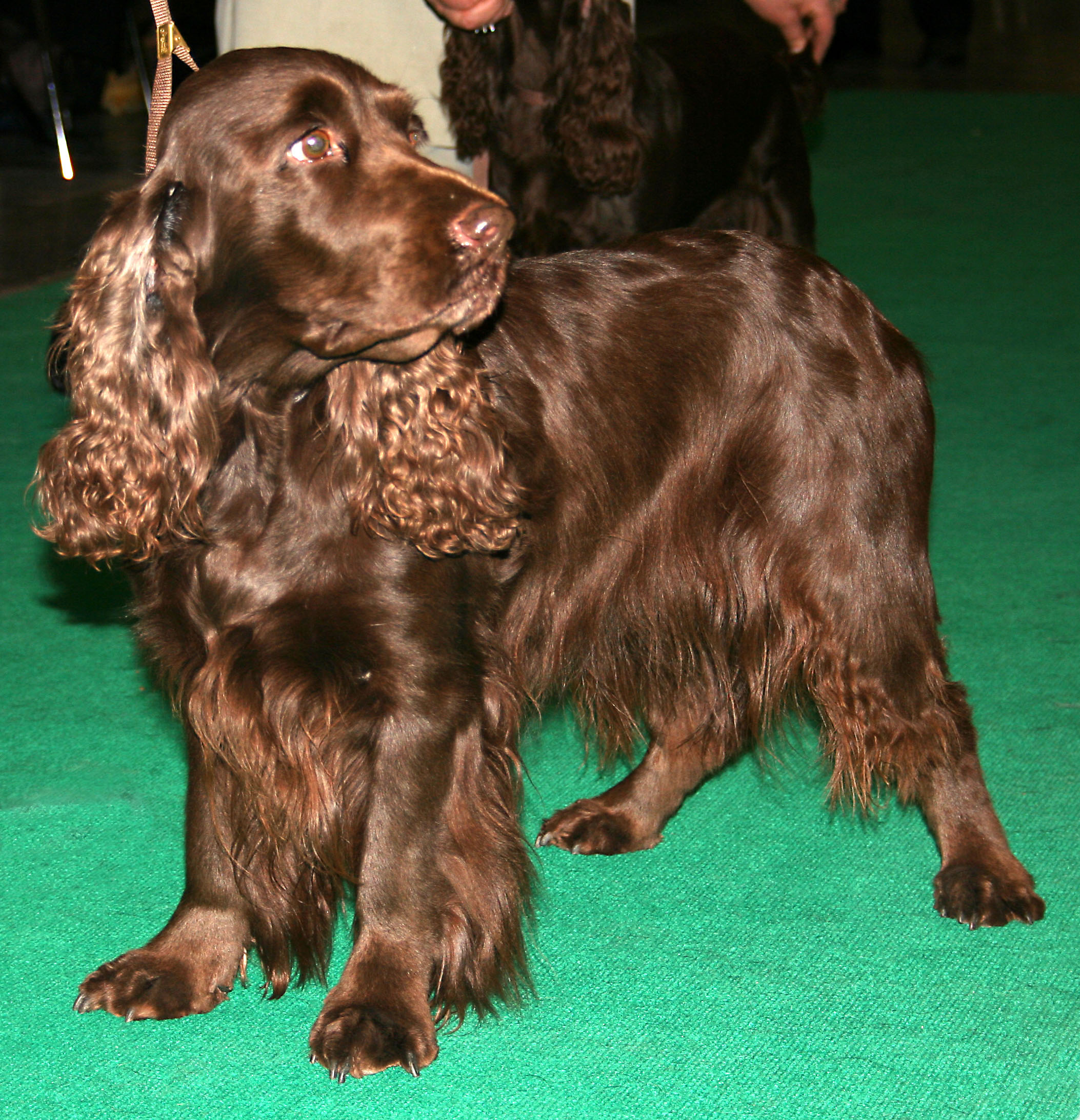
A rare, elegant flushing spaniel with a glossy single-color coat, the Field Spaniel is docile, sensitive, and devoted — a balanced gundog and companion that loves activity but is calmer than its Springer and Cocker cousins.
ℹ️
Educational only. KinStation content is reviewed by licensed veterinarians but cannot replace an in-person exam. Always consult a licensed veterinarian or board-certified specialist for diagnosis, treatment, or any decision affecting your pet's health.
🩺 Need expert help with your field spaniel?
Connect with a specialist near you or ask a licensed vet — never substitute online guidance for hands-on care in an emergency.
From the minimum an animal needs to be kept humanely, up to the ideal setup. Bigger is almost always better — minimums are floors, not targets.
Photo coming soon
Minimum
Home with daily structured exercise
Apartment/house + 60 min daily exercise
Medium dogs need at least an hour of varied daily exercise — leashed walks plus off-lead play or training. Apartment living is workable only if exercise commitments are met every day; crate-train and allow supervised free-roam at home.
Photo coming soon
Recommended
Home with fenced yard + training time
House + fenced yard + 60–90 min varied exercise
A home with a securely fenced yard, daily walks plus off-lead play, and ongoing training keeps a medium dog mentally satisfied. Add a sport or hobby (fetch, scent games, agility intro) for breeds with extra drive. High-drive working breed — the recommended tier still demands daily structured mental work (training, scent games, herding ball, fetch with rules), not just walks.
Photo coming soon
Ideal
Active home with a job or sport
Suburban/rural home + secure yard + canine sport
Flushing spaniel — field gundog work satisfies the heritage. — ideal is acreage or rural property paired with a daily job or canine sport: herding stock, scent detection, agility, protection sport, sledding, gundog field work, or a structured working role. Without that outlet, expect destructive behaviour, reactivity, and welfare-relevant frustration.
Life & growth stages
How this animal changes through its life — each stage often has its own care, diet and space needs.
Photo coming soon
Newborn
Newborn mammals are nursed on their mother's milk. Many are born helpless — blind, deaf, and sparsely furred (altricial, as in dogs, cats, and rodents) — while others stand and follow within hours (precocial, as in hoofed livestock).
Photo coming soon
Juvenile
After weaning, juveniles grow quickly and become increasingly active, playful, and independent. Adult coat, proportions, and (in many species) the permanent teeth come in as they approach full size.
Photo coming soon
Adult
Adults reach full body size and sexual maturity, with the species' mature coat and build. Sexual dimorphism — differences in size, mane, horns, or markings — is pronounced in some mammals and subtle in others.
Senior
Senior animals show aging signs such as graying fur, reduced activity, and a greater need for veterinary monitoring of joints, teeth, and organ function. Lifespan and the onset of old age vary widely by species and size.
Color & pattern variants
Natural variants occur in the wild; selectively bred (man-made) variants were developed in captivity.
Best suited to an active home with a yard; can adapt to apartment living with sufficient daily exercise. Needs about an hour of activity per day — walks, retrieving, swimming, scent work, or field exercise. Sociable and people-focused, it should not be left alone or kenneled for long periods.
Diet
Feed a quality complete diet for a moderately active medium dog; two meals daily. Watch for weight gain, which the breed is prone to if under-exercised, and keep lean to protect joints. No special breed-specific dietary requirements.
Behavior & temperament
Gentle, affectionate, and somewhat sensitive, with a docile, well-balanced temperament. Intelligent and trainable but responds best to patient, encouraging, positive methods — heavy-handedness shuts it down. Energy is moderate to high. Typically very good with children and other dogs; supervise around small pets given the spaniel flushing instinct. Can be reserved with strangers and may be sensitive to harsh tones.
Health
Predisposed to hip dysplasia, inherited eye conditions (progressive retinal atrophy, cataracts, retinal dysplasia), hypothyroidism, and ear infections from the long pendulous ears; as a deeper-chested breed, owners should be aware of bloat as a general precaution. Recommended screening: hip evaluation, annual eye exams, and thyroid testing.
Tips, DIY & hacks
Moderately long, glossy single coat with feathering needs brushing 2-3x weekly and occasional trimming/tidying of feathering and feet. Moderate shedding. Clean and dry the ears regularly to head off infections. Reward-based training plus retrieving and scent games keep this sensitive, intelligent dog happy and well-behaved.