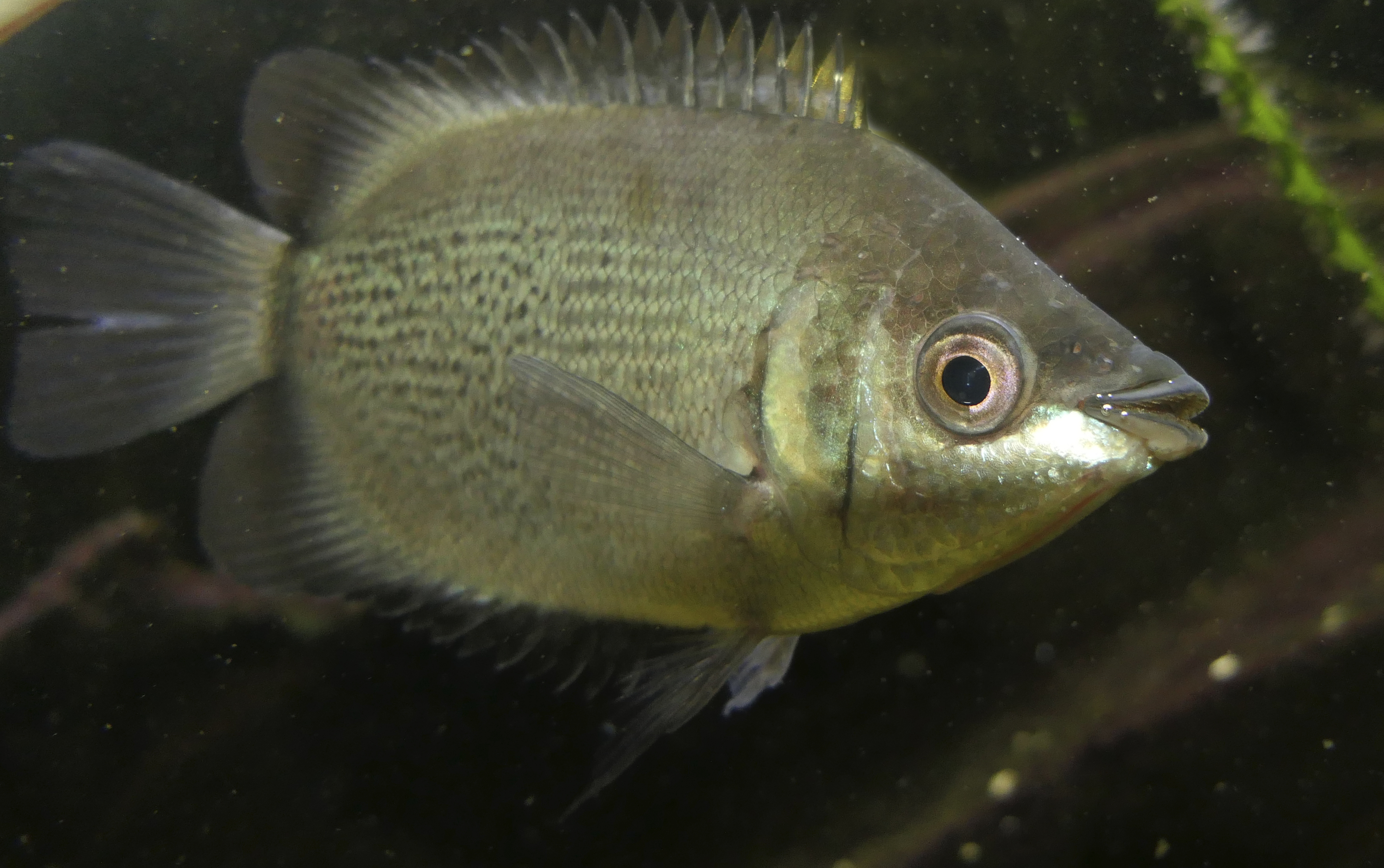
A large, distinctive gourami famous for the 'kissing' behaviour in which two fish lock their thick, protrusible lips, actually a rasping mouth used to graze algae and a display of dominance rather than affection. Reaches a substantial size and needs a big tank, so it is best for keepers with room to spare.
ℹ️
Educational only. KinStation content is reviewed by licensed veterinarians but cannot replace an in-person exam. Always consult a licensed veterinarian or board-certified specialist for diagnosis, treatment, or any decision affecting your pet's health.
🩺 Need expert help with your kissing gourami?
Connect with a specialist near you or ask a licensed vet — never substitute online guidance for hands-on care in an emergency.
Gouramis are labyrinth-breathing freshwater fish from Asia that gulp air at the surface, build bubble nests, and range from tiny croaking species to large centerpiece fish. Many are peaceful and characterful, thriving in warm, calm, planted aquariums.
From the minimum an animal needs to be kept humanely, up to the ideal setup. Bigger is almost always better — minimums are floors, not targets.
Photo coming soon
Minimum
Sub-adult tank
75 gal / 284 L long planted
Helostoma temminckii reaches 10–12 in (sometimes more). 75-gal long is a strict minimum for sub-adults; adults need more. Soft slightly acidic water, large open swim space, robust plants, and gentle filtration.
Photo coming soon
Recommended
Adult display tank
125 gal / 473 L long
125-gal long for an adult pair or trio, with sand, robust plants (they nibble), driftwood, and strong filtration. Slow-moving and peaceful but their size demands space.
Photo coming soon
Ideal
SE Asian biotope display
180 gal+ / 681 L+ biotope
SE Asian biotope with sand, driftwood, robust plants, gentle flow, and a small group. Closest to wild lake habitat and long-term welfare.
Life & growth stages
How this animal changes through its life — each stage often has its own care, diet and space needs.
Photo coming soon
Egg
Fish eggs are small, translucent spheres, often laid in clutches on plants, substrate, or in a nest — or carried/brooded by a parent in livebearing and mouth-brooding species. A dark eye spot and the curled embryo become visible inside as development progresses.
Photo coming soon
Fry
Newly hatched fry are tiny and semi-transparent, frequently still carrying a yolk sac that fuels them before they feed freely. They lack full fin structure and adult coloration, staying near cover until they can swim and forage on their own.
Photo coming soon
Juvenile
Juveniles look like miniature adults but with developing fins and muted or different markings; many species shift pattern and color as they mature. Growth is rapid at this stage given clean water and steady feeding.
Adult
Adults show the species' full size, finnage, and mature coloration, and are sexually mature. Many fish develop sex-specific differences in size, color, or fin shape, which can intensify during breeding.
Color & pattern variants
Natural variants occur in the wild; selectively bred (man-made) variants were developed in captivity.
A long 55 gallon (200 L) tank is a realistic minimum for one adult, with larger volumes for groups. Keep 72-82 F (22-28 C), pH 6.0-8.0 and soft to moderately hard water. They appreciate moderate flow and open swimming space. Use sturdy or fast-growing plants, as the constant grazing mouth nibbles soft vegetation.
Substrate
Smooth gravel or sand works well; provide hard surfaces, smooth rocks and driftwood that develop a grazeable biofilm. Avoid sharp decor that could damage their delicate mouths.
Equipment & setup
Use an oversized canister or robust hang-on-back filter to handle the heavy bioload, plus a reliable heater. A secure lid is needed because they breathe air at the surface and can be skittish; keep a warm air gap above the water.
Diet
Omnivore with a strong grazing habit; their lips and fine teeth let them rasp algae and biofilm (aufwuchs) from surfaces. Feed a varied diet of quality flakes, pellets, spirulina-based foods, blanched vegetables and occasional frozen meaty foods.
Behavior & temperament
Mostly peaceful toward other species but semi-aggressive and dominance-driven among themselves, using lip-locking to spar. Suitable tankmates include other robust, similarly sized community fish; avoid tiny or very delicate species. Not a reef fish (freshwater).
Health
Prone to ich, hole-in-the-head and fin damage from squabbles; large size means waste output is high, so strong filtration and consistent water changes are vital to prevent water-quality disease. Quarantine newcomers and watch for lip or mouth injuries after kissing contests.
Tips, DIY & hacks
The pink/flesh-coloured 'pink kisser' in the trade is a colour form of the same species, while wild fish are greenish-silver. They are open-water egg scatterers that produce floating eggs and give no parental care, so a separate breeding setup with floating plants improves fry survival.