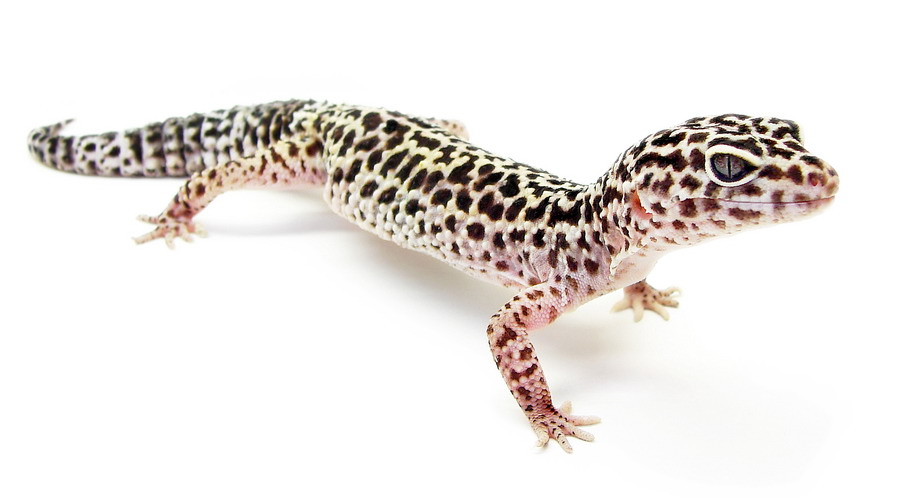

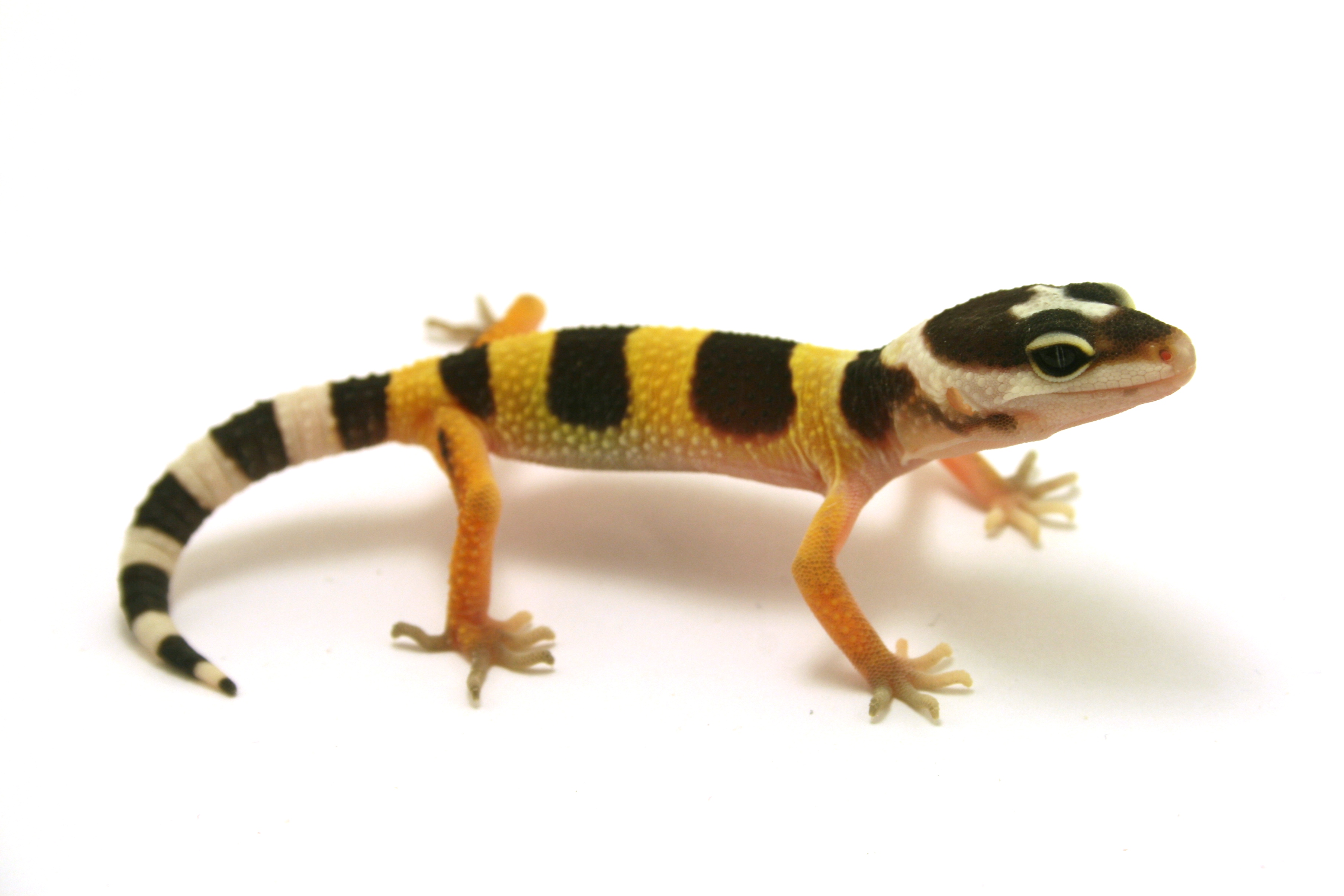
Leopard geckos are small ground-dwelling lizards from rocky scrublands of Central and South Asia. Their docile temperament and modest enclosure needs make them a popular intermediate reptile pet.
ℹ️
Educational only. KinStation content is reviewed by licensed veterinarians but cannot replace an in-person exam. Always consult a licensed veterinarian or board-certified specialist for diagnosis, treatment, or any decision affecting your pet's health.
🩺 Need expert help with your leopard gecko?
Connect with a specialist near you or ask a licensed vet — never substitute online guidance for hands-on care in an emergency.
South Asia / Middle East (Afghanistan, Pakistan, India, Iran)
Origin
Old World
Climate
🏜️ Arid
Family
Eublepharidae
Genus
Eublepharis
Part of the Geckos
Geckos range from desert ground-dwellers to humid cave and forest specialists; eyelid geckos like Goniurosaurus and leopard geckos have movable eyelids and are largely terrestrial.
From the minimum an animal needs to be kept humanely, up to the ideal setup. Bigger is almost always better — minimums are floors, not targets.
Photo coming soon
Minimum
Adult terrarium
20-gal long (≈ 30 × 12 in)
A single adult needs a 20-gallon long minimum with a warm hide, cool hide, and a humid/moist hide for shedding, plus a belly-heat gradient. Never house two males together.
Recommended
Larger floor terrarium
36 × 18 in (≈ 40 gal)
More floor area allows a stronger thermal gradient, low-level UVB, multiple hides, and a dig/forage area. Leopard geckos are ground-dwellers, so floor space matters more than height.
Christian von Faber-Castell / CC BY 4.0 (Wikimedia Commons)
Photo coming soon
Ideal
Naturalistic / bioactive
48 × 18 in, bioactive
A 4-ft naturalistic enclosure with rock structures, multiple hides, UVB, and a dig substrate for natural foraging and thermoregulation across a wide gradient.
Life & growth stages
How this animal changes through its life — each stage often has its own care, diet and space needs.
Photo coming soon
Egg / Neonate
Most reptiles lay leathery- or hard-shelled eggs incubated by ambient warmth, though some snakes and lizards give live birth. Incubation temperature can influence sex and development in many species.
Photo coming soon
Hatchling
Hatchlings emerge as fully formed miniatures of the adult, often using an egg tooth to slit the shell. They are independent from birth but small and vulnerable, and may show brighter or different juvenile patterning.
Juvenile
Juveniles grow steadily, shedding their skin periodically as they enlarge. Coloration and proportions shift toward the adult form, and growth rate depends heavily on temperature, diet, and basking/UVB access.
Psyon, CC BY 3.0, via Wikimedia Commons
Adult
Adults reach the species' full length and mass and become sexually mature. Many reptiles show sex differences in size, coloration, or features (such as larger heads, hemipenal bulges, or femoral pores), and continue to shed throughout life.
Color & pattern variants
Natural variants occur in the wild; selectively bred (man-made) variants were developed in captivity.
Leopard geckos are ground-dwelling lizards from the rocky scrublands of Central and South Asia, and their enclosure should reflect a warm, dry, terrestrial habitat with room to roam. A 20-gallon-long terrarium is a common modern minimum for one adult, with larger enclosures widely encouraged for richer enrichment. Floor space matters more than height for this non-climbing species.
Thermal management is the heart of leopard-gecko husbandry. Provide a clear temperature gradient with a warm zone and a cooler zone, traditionally using under-tank heating or an overhead heat source controlled by a thermostat so temperatures stay safe and stable. Three hides are ideal: a warm hide, a cool hide, and a humid hide (with damp moss) that supports clean shedding. Unlike many reptiles, leopard geckos are crepuscular and were long kept without UVB, but low-level UVB lighting on a day/night cycle is increasingly recommended to support healthy calcium metabolism.
Substrate choice is debated, largely over the risk of impaction from loose particles. When in doubt, many keepers choose non-particulate options such as tile, slate, or reptile carpet, or a well-managed bioactive setup, and avoid loose sand for young or inexperienced setups. Add a shallow water dish and provide gentle enrichment such as varied hides and textures.
Substrate
Use a solid or naturalistic substrate such as tile, slate, paper towel, or a firm bioactive topsoil/sand/clay mix; avoid loose calci-sand for juveniles due to impaction risk. A bioactive clay or excavator-clay setup lets adults dig naturally while staying safe.
Equipment & setup
Provide a 20-gallon-long or larger terrestrial tank with an under-tank heater or low-wattage overhead heat on a thermostat creating a warm hide of 90-92F belly heat and a cool side around 75F; include low-level UVB (T5 5.0/Reptisun), now recommended for bone health. Offer three hides (warm, cool, and a damp moss hide for shedding) and a shallow water dish.
Diet
Leopard geckos are strict insectivores — they eat live invertebrates and should never be offered plant matter or fruit. A varied staple of appropriately sized feeders such as crickets, dubia roaches, and black soldier fly larvae, with mealworms or hornworms for variety, provides good nutrition. Feeder insects should themselves be well-fed ('gut-loaded') before being offered, since their nutritional quality passes to the gecko.
Supplementation is essential to prevent metabolic bone disease. Feeder insects are dusted with a calcium supplement (often with vitamin D3) and a multivitamin on a schedule appropriate to the setup and lighting, and many keepers leave a small dish of plain calcium in the enclosure. Because exact supplementation depends on diet and UVB, a reptile veterinarian's guidance is valuable. Fresh water should always be available.
Feeding frequency depends on age: growing juveniles eat more often than adults. Common mistakes include feeding prey that is too large (a rule of thumb is no wider than the space between the gecko's eyes), neglecting supplementation, and overfeeding fatty treats like waxworms. A healthy leopard gecko stores fat in its tail, so a plump tail is a good sign and a thin one is a warning.
Behavior & temperament
Leopard geckos are crepuscular and largely solitary, most active around dawn and dusk. They should be housed alone unless deliberately bred: two males will fight, and even male-female or female-female pairings can lead to bullying and stress, so solo housing is the safe default. They lack the sticky toe pads of many geckos and instead have small claws, and unusually for geckos they have movable eyelids.
With calm, consistent handling most leopard geckos become quite tolerant and are considered among the most beginner-friendly reptiles to interact with. They are not cuddly, but they generally tolerate gentle, low handling once acclimated, and many will learn to take food and explore a hand. Rushed or rough handling, by contrast, causes stress.
A key behavior to respect is tail autotomy: under threat or if grabbed by the tail, a leopard gecko can drop its tail, which then wriggles to distract a predator. It regrows but never looks the same, and the loss is stressful, so the tail should never be grasped. Other signals include tail waving (a slow wave can indicate awareness or excitement) and, in well-kept geckos, a calm, curious demeanor.
Health
Leopard geckos are hardy and long-lived when their environmental and dietary needs are met, but most of their health problems are husbandry-related, so getting heat, hides, humidity, and supplementation right is preventive medicine. Identifying a reptile-experienced veterinarian before a problem arises is strongly advised, since not all clinics see reptiles.
Common issues include metabolic bone disease from inadequate calcium or vitamin D/UVB, dysecdysis (retained shed, especially around the toes and eyes, which a humid hide helps prevent), and gastrointestinal impaction. Improper temperatures can drive poor digestion and lowered immunity, and obesity can result from overfeeding fatty insects.
Warning signs that warrant veterinary attention include lethargy, a thinning tail or general weight loss, tremors or weakness or rubbery jaw (suggesting metabolic bone disease), prolonged loss of appetite, retained shed that constricts toes, straining or failure to pass stool, or any swelling or wound. Because reptiles mask illness and respond slowly, addressing problems early gives the best outcome — and treatment should always be guided by a vet rather than over-the-counter remedies.
Tips, DIY & hacks
The damp hide (a tub with moist sphagnum or paper towel) is essential to prevent retained shed on toes and tail. Dust insects (crickets, dubia, mealworms) with calcium and provide a small dish of plain calcium; a low-watt deep-heat projector or DHP on a thermostat is a good gentle heat source, and PVC or repurposed plastic hides are cheap and easy to disinfect.
Origin & history
The leopard gecko (Eublepharis macularius) is native to the rocky deserts and dry grasslands stretching across parts of Afghanistan, Pakistan, India, and Iran. It became one of the first lizard species to be truly domesticated in the pet trade, with captive breeding so well established for decades that the vast majority of pet leopard geckos today are captive-bred rather than wild-caught — a significant welfare and conservation positive.
That long history of captive breeding has produced an enormous range of color and pattern 'morphs,' from the wild-type spotted yellow through tangerine, albino, blizzard, enigma, and many more, which is a large part of the species' enduring popularity among hobbyists. Their hardiness, modest size, manageable enclosure needs, and docile temperament have made the leopard gecko a gateway reptile for countless first-time keepers.
Anecdotes & owner lore
Community experience and cultural notes — not veterinary advice. Every animal is an individual; treat these as colour, not care instructions.
Leopard gecko keepers are endlessly charmed by 'the smile' — the upturned mouthline that makes leos look perpetually cheerful — and by their big, expressive, eyelidded eyes, which they will famously lick clean with a quick swipe of the tongue since, unlike most geckos, they can blink. Owners also delight in the slow, deliberate tail-wiggle a hunting gecko does just before it pounces on a cricket, a tiny predatory wind-up that never gets old. Each gecko's tail-shape and 'fat reserves' become a point of proud monitoring, with a thick tail worn like a badge of good health.
As one of the original 'designer' reptiles, the leopard gecko has a dedicated culture of morph breeding, and longtime hobbyists can rattle off lineage names the way dog fanciers discuss pedigrees. They are famous for being remarkably long-lived for a small lizard — well-kept individuals can reach their late teens or beyond, with exceptional ones documented past two decades — so a leopard gecko acquired in childhood can genuinely accompany its keeper into adulthood. Many owners note their leo's quietly individual personality: some bold and food-motivated, some shy, but nearly all developing recognizable routines around their favorite hide.
Common ailments
Metabolic bone disease (MBD) — common — A leading husbandry-related disease in pet reptiles.
Retained shed (dysecdysis) — common — A humid hide greatly reduces toe and eye-cap retention.
Impaction — common
Reviewed and signed off by: KinStation Editorial - pre-launch draft (pending DVM review)