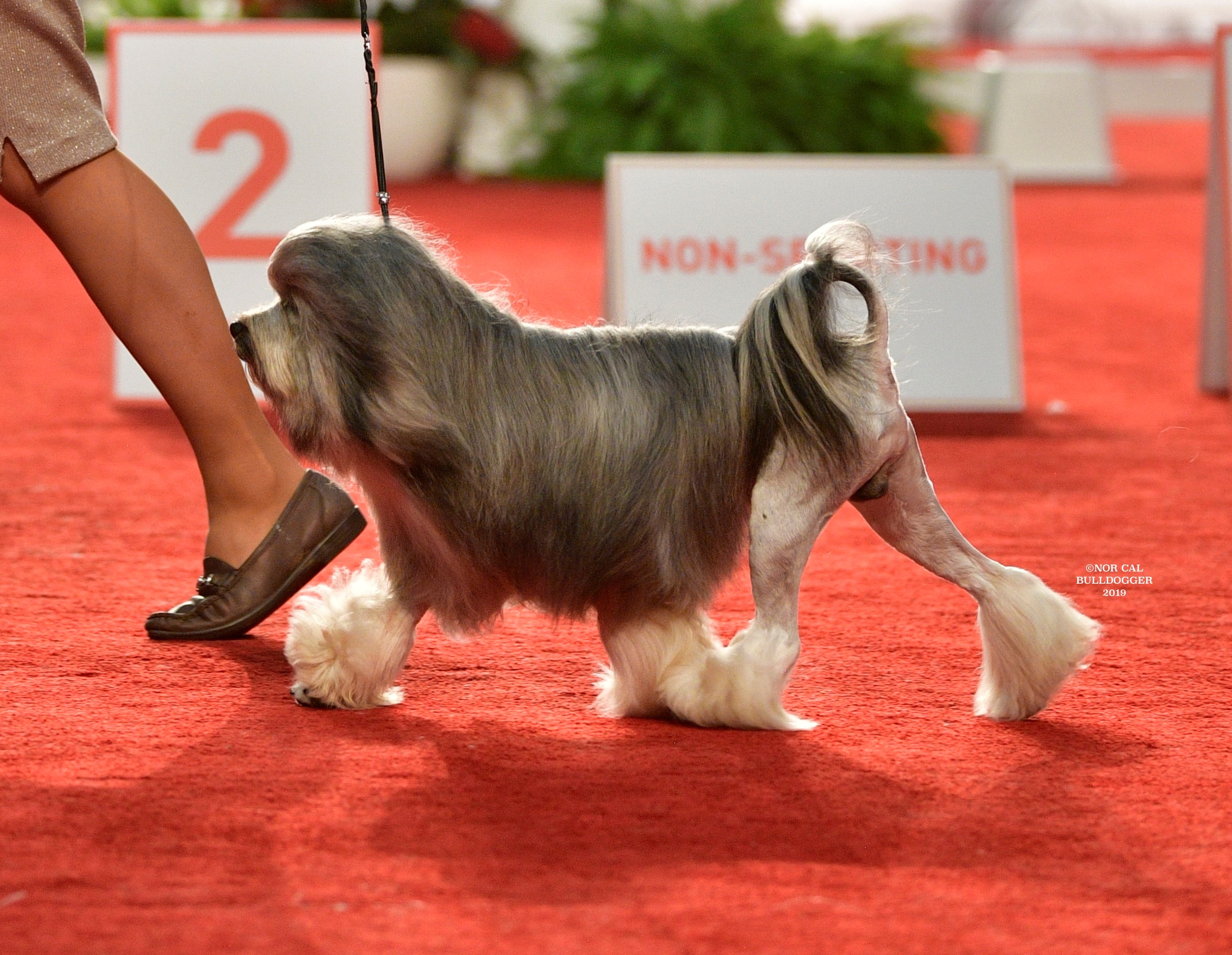
A small, cheerful companion breed traditionally clipped in a lion trim. Affectionate, playful and people-oriented, with a soft non-shedding single coat and a friendly, adaptable nature.
ℹ️
Educational only. KinStation content is reviewed by licensed veterinarians but cannot replace an in-person exam. Always consult a licensed veterinarian or board-certified specialist for diagnosis, treatment, or any decision affecting your pet's health.
🩺 Need expert help with your löwchen?
Connect with a specialist near you or ask a licensed vet — never substitute online guidance for hands-on care in an emergency.
From the minimum an animal needs to be kept humanely, up to the ideal setup. Bigger is almost always better — minimums are floors, not targets.
Photo coming soon
Minimum
Small apartment with daily walks
Apartment + 2× daily 20-min walks
A toy breed can live happily in a small apartment provided they get two short daily walks, indoor play, and supervised free-roam time. Crate-train for safe alone-time and never leave loose with unsupervised toddlers — they injure easily.
Photo coming soon
Recommended
Home with secure yard + social structure
House + small fenced yard + daily walks
A house with a securely fenced yard for safe potty/play time, daily walks, and a clear household routine. Toy breeds thrive when treated as full household pets, not handbag accessories.
Photo coming soon
Ideal
Household lap-dog with rich social life
House + fenced yard + companion-dog social pack
Closely-bonded household pet with a fenced yard, regular outings, varied training games, and human company most of the day. Toy breeds are companion animals — long isolation is their biggest welfare risk.
Life & growth stages
How this animal changes through its life — each stage often has its own care, diet and space needs.
Photo coming soon
Newborn
Newborn mammals are nursed on their mother's milk. Many are born helpless — blind, deaf, and sparsely furred (altricial, as in dogs, cats, and rodents) — while others stand and follow within hours (precocial, as in hoofed livestock).
Photo coming soon
Juvenile
After weaning, juveniles grow quickly and become increasingly active, playful, and independent. Adult coat, proportions, and (in many species) the permanent teeth come in as they approach full size.
Photo coming soon
Adult
Adults reach full body size and sexual maturity, with the species' mature coat and build. Sexual dimorphism — differences in size, mane, horns, or markings — is pronounced in some mammals and subtle in others.
Senior
Senior animals show aging signs such as graying fur, reduced activity, and a greater need for veterinary monitoring of joints, teeth, and organ function. Lifespan and the onset of old age vary widely by species and size.
Color & pattern variants
Natural variants occur in the wild; selectively bred (man-made) variants were developed in captivity.
Ideal apartment or house companion — small, sociable and adaptable. Needs moderate daily exercise: a couple of walks plus play and training games. Enjoys agility and trick work. Dislikes being left alone for long periods and bonds closely with its people.
Diet
Feed a balanced small-breed diet in measured amounts and watch for weight gain. Attend to dental hygiene, common in small breeds. No breed-specific dietary disorder.
Behavior & temperament
Lively, affectionate, friendly and outgoing with a happy, somewhat bold personality for its size. Intelligent and very trainable; responds well to positive methods and excels at tricks and agility. Moderate energy. Generally very good with children, other dogs and pets, making it a versatile family companion.
Health
A generally healthy small breed. Reported concerns include patellar luxation, hip issues, progressive retinal atrophy and cataracts. Recommended screening: patella evaluation, ophthalmic exams and hip checks per breed-club guidance. Responsible breeders screen breeding stock.
Tips, DIY & hacks
Single coat is low-shedding and considered relatively allergy-friendly, but it mats — brush several times a week and bathe/groom regularly. The traditional 'lion clip' (clipped hindquarters with a mane and plumed tail) is optional; a shorter all-over trim is lower maintenance. Provide companionship and mental stimulation to prevent separation-related behaviours.