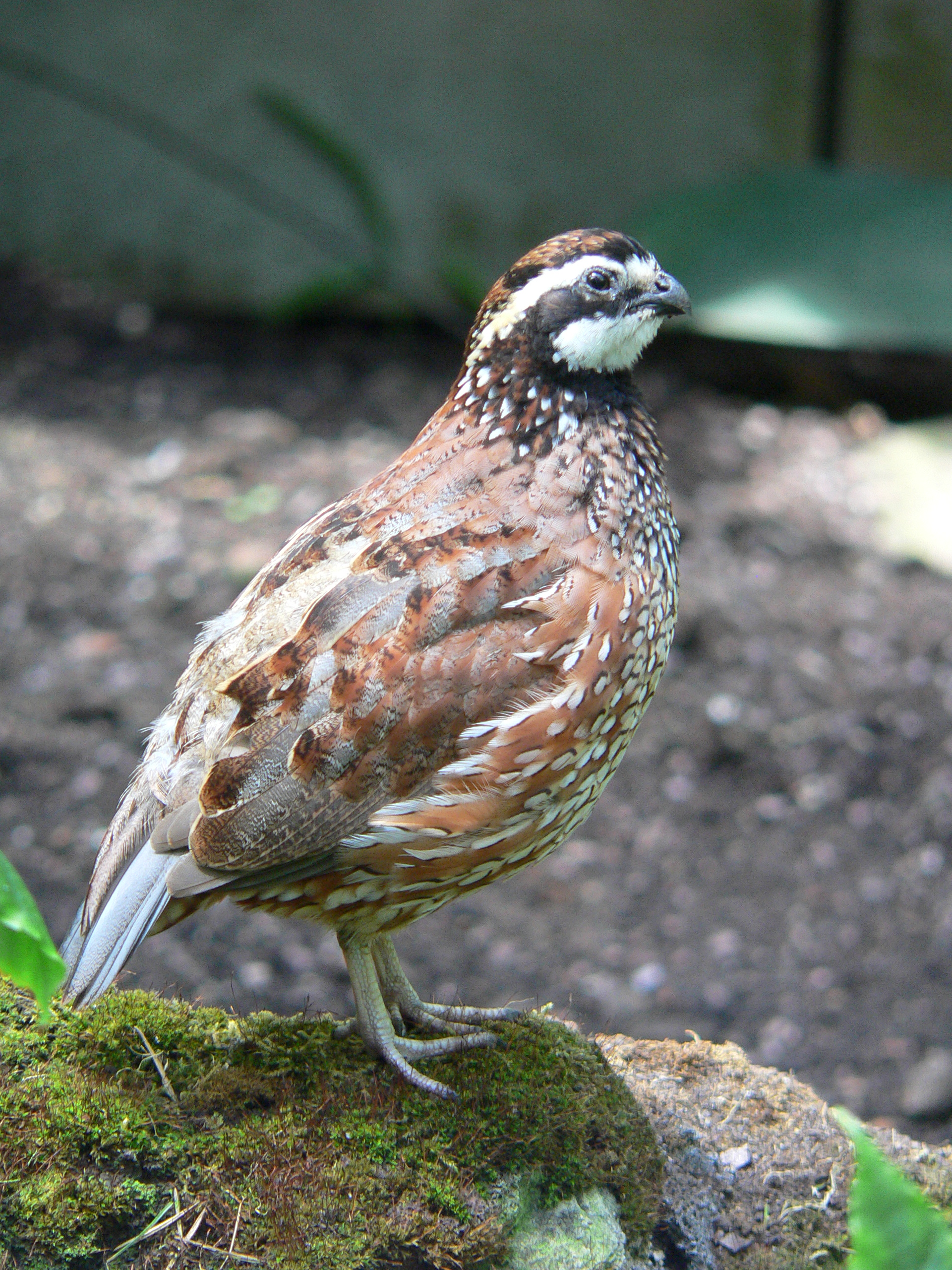
A small, popular New World quail kept for aviculture, hobby flocks, dog-training, and conservation/release, the northern bobwhite is hardy and easy to keep but is a flighty ground bird rather than a cuddly pet. Permitting requirements and release restrictions apply in many US states.
ℹ️
Educational only. KinStation content is reviewed by licensed veterinarians but cannot replace an in-person exam. Always consult a licensed veterinarian or board-certified specialist for diagnosis, treatment, or any decision affecting your pet's health.
🩺 Need expert help with your northern bobwhite quail?
Connect with a specialist near you or ask a licensed vet — never substitute online guidance for hands-on care in an emergency.
Small New World quail: 24-28 cm (9.5-11 in) long, wingspan ~33-38 cm, weight roughly 140-200 g.
Lifespan
2–6 years
Social needs
group
Native region
Eastern and central North America from southern Canada through the United States to eastern Mexico, with isolated popula
Origin
New World
Climate
🍂 Temperate
Family
Odontophoridae
Genus
Colinus
Part of the Pheasants
Pheasants, quail, and partridges are ground-dwelling galliformes kept in planted aviaries and pens for their striking plumage and displays. Hardy and relatively low-maintenance, they are avicultural and exhibition birds rather than handleable pets, and most require predator-proof outdoor housing.
From the minimum an animal needs to be kept humanely, up to the ideal setup. Bigger is almost always better — minimums are floors, not targets.
Photo coming soon
Minimum
Aviary + cover (per bird)
≈ 4 sq ft floor / bird
Northern bobwhite quail (synonym slug) — small ground-dwelling New World quail. Welfare minimum is 4 sq ft of floor per bird in a covered aviary with dense ground cover, padded or low ceiling, sand bath, hides, grit, calcium, and ½ in hardware cloth. They startle vertically when alarmed.
Photo coming soon
Recommended
Planted ground aviary
≈ 8 sq ft floor / bird, planted
An 8 sq ft per bird planted aviary with hides, sand bath, varied grasses, and padded ceiling lets bobwhites forage, dust-bathe, and pair off. Provide insect protein, grit, calcium, and a winter draught-free shelter — they tolerate cold but not damp.
Photo coming soon
Ideal
Bioactive native-habitat aviary
≈ 15+ sq ft floor / bird, planted
A 15+ sq ft per bird bioactive aviary planted with native grasses and brush piles delivers welfare ideal. Single-pair or covey housing during breeding, ample insect forage, and a quiet retreat area — northern bobwhites are seasonal monogamists requiring space for full breeding expression.
Life & growth stages
How this animal changes through its life — each stage often has its own care, diet and space needs.
Photo coming soon
Egg
Birds develop inside a hard-shelled egg incubated by the parent(s). Egg size, shell color, and clutch size vary by species; the embryo develops over days to weeks before hatching.
Photo coming soon
Hatchling / Chick
Hatchlings are either altricial — naked, blind, and dependent on parents (typical of parrots and songbirds) — or precocial — downy, mobile, and self-feeding soon after hatching (typical of poultry and waterfowl). Down gives way to the first feathers.
Photo coming soon
Juvenile / Fledgling
Fledglings grow in their juvenile plumage and begin to fly and feed themselves, though they may still beg from parents at first. Juvenile feathering is often duller than the adult and is replaced as the bird matures.
Adult
Adults attain full body size and mature plumage, and are capable of breeding. Many species show distinct adult coloration, and in sexually dimorphic birds males and females differ in plumage, size, or markings.
(c) Laura Mae, some rights reserved (CC BY) via iNaturalist — https://www.inaturalist.org/observations/124242207
Color & pattern variants
Natural variants occur in the wild; selectively bred (man-made) variants were developed in captivity.
Natural
representative
Wild-type northern bobwhite
The standard plumage: rufous-brown body with a bold black-and-white face pattern in males (buff in females) and the namesake bob-white whistle.
representative
Mexican/masked subspecies group
Numerous wild subspecies vary geographically; the masked bobwhite (C. v. ridgwayi) is an endangered, federally protected race in the US and is not a casual hobby bird.
Selectively bred (man-made)
representative
Color mutations (e.g., Snowflake/Wild-type variants)
Captive breeding has produced color morphs such as snowflake, fawn, and white selected by aviculturists; availability varies by region.
Habitat & enclosure
Keep in a secure, predator-proof aviary or covered pen with a low, soft, or netted ceiling because startled birds flush straight up and can injure their heads (padding the ceiling or using a low aviary helps). Allow ample floor space, roughly 0.2-0.4 m2 (2-4 sq ft) per bird minimum, with more for breeding groups, plus dense low cover (brush, grasses, shelters) for security. Provide a dry, draft-free shelter; bobwhites are reasonably cold-hardy if kept dry and out of wind, and need shade in heat. Good ventilation and dry ground are essential to prevent disease.
Substrate
Use clean, dry, absorbent litter such as pine shavings, straw, or sand in shelters, and natural well-drained soil with low vegetation in planted pens. Keep litter dry and refresh regularly to control coccidiosis and ulcerative enteritis. Provide a dust-bathing area (dry sand/soil).
Equipment & setup
A predator-proof pen/aviary with a soft or low netted ceiling to prevent flush injuries, secure wire to exclude rats and raptors, a dry weatherproof shelter, low cover (brush, hide boxes, grasses), quail-safe shallow or guarded waterers, game-bird feeders, grit and calcium dispensers, and a heat source/brooder for chicks. A double-door safety entry reduces escapes.
Diet
Feed a commercial game-bird starter/grower/maintenance crumble formulated for quail (higher protein than chicken feed; ~24-28% protein for chicks, ~16-20% for adults), supplemented with greens, vegetables, and small amounts of seed/grain and occasional insects (mealworms). Provide fine insoluble grit for digestion and a calcium source for laying hens. Clean fresh water in shallow or guarded waterers (chicks can drown in deep water) is essential.
Behavior & temperament
A social, covey-forming ground bird that does best in groups outside the breeding season; the male gives the characteristic whistled bob-WHITE call. They are flighty and not naturally tame or handleable, flushing explosively when startled. During breeding, males can become territorial; manage sex ratios and space to limit fighting and feather-picking. Bobwhites forage on the ground and enjoy dust-bathing. They are kept for aviculture, eggs/meat, dog training, and release/restocking rather than as lap pets.
Health
Common issues include coccidiosis, intestinal worms, and ulcerative enteritis (quail disease, Clostridium colinum, which can cause sudden high mortality), plus respiratory disease and head injuries from flushing into hard ceilings. Crowding, damp litter, and contaminated ground drive most outbreaks, so cleanliness, dry conditions, low stocking density, and ground rotation are critical. Quarantine new birds and keep separate from chickens/turkeys where possible to reduce disease cross-over.
Tips, DIY & hacks
Use a low or padded ceiling to prevent the head injuries bobwhites cause by flushing vertically. Brood chicks at ~35-37 C (95-99 F) initially, reducing about 3 C (5 F) per week, and use shallow water with marbles/stones to prevent drowning. Maintain low stocking density and dry conditions to avoid quail disease and coccidiosis. IMPORTANT: in the US, possession, captive rearing, and especially release of bobwhites are regulated at the state level; many states require game-bird breeder/possession permits and restrict or prohibit release into the wild, so verify your state wildlife agency rules before keeping or releasing them.