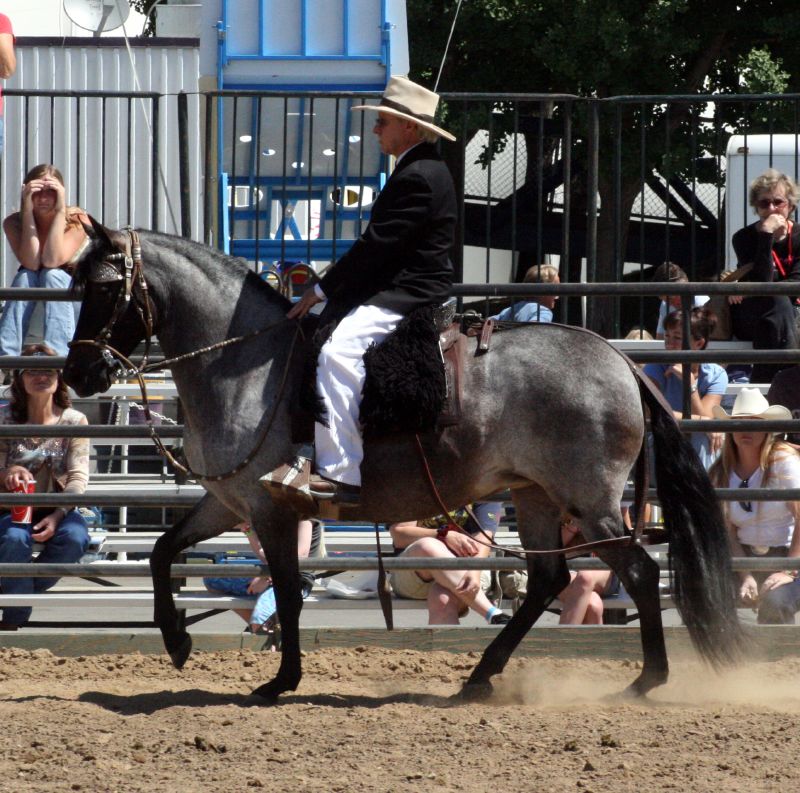
A naturally smooth-gaited saddle breed from Peru, prized for its inborn four-beat 'paso llano' gait and flashy, energy-conserving 'termino' arm movement. Renowned for an exceptionally willing, kind temperament often called 'brio'.
ℹ️
Educational only. KinStation content is reviewed by licensed veterinarians but cannot replace an in-person exam. Always consult a licensed veterinarian or board-certified specialist for diagnosis, treatment, or any decision affecting your pet's health.
🩺 Need expert help with your peruvian paso?
Connect with a specialist near you or ask a licensed vet — never substitute online guidance for hands-on care in an emergency.
From the minimum an animal needs to be kept humanely, up to the ideal setup. Bigger is almost always better — minimums are floors, not targets.
Photo coming soon
Minimum
Box stall + pasture + shed
12×12 ft stall + 1 ac pasture + run-in shed
Gaited breeds meet the same welfare floor as any light riding horse: 12×12 ft stall, 1+ acre of daily turnout, a shed, and an equid companion. Specialist farriery is the main difference — natural-gait trims, never "soring" or stacks. Specialist gait set — find a farrier who understands the breed's natural-gait trim.
Photo coming soon
Recommended
Stall + rotated pasture + trail access
12×12 ft stall + 2–3 ac pasture + trail access
Stall, 2–3 acres of rotated pasture per horse, a small herd, and access to varied trails. Gaited horses excel at long, smooth distance work and need conditioning miles more than arena time. Schedule a gait-savvy farrier on a regular cycle.
Photo coming soon
Ideal
Trail-focused facility + herd
Barn + 5+ ac/horse + extensive trail / terrain access
Barn with 5+ acres per horse, multi-paddock rotation, a settled companion herd, and extensive trail access for the long, smooth gaits these breeds are bred for. Specialist gaited farrier, regular dental and bodywork, and ethical training (never soring).
Life & growth stages
How this animal changes through its life — each stage often has its own care, diet and space needs.
Photo coming soon
Newborn
Newborn mammals are nursed on their mother's milk. Many are born helpless — blind, deaf, and sparsely furred (altricial, as in dogs, cats, and rodents) — while others stand and follow within hours (precocial, as in hoofed livestock).
Photo coming soon
Juvenile
After weaning, juveniles grow quickly and become increasingly active, playful, and independent. Adult coat, proportions, and (in many species) the permanent teeth come in as they approach full size.
Photo coming soon
Adult
Adults reach full body size and sexual maturity, with the species' mature coat and build. Sexual dimorphism — differences in size, mane, horns, or markings — is pronounced in some mammals and subtle in others.
Senior
Senior animals show aging signs such as graying fur, reduced activity, and a greater need for veterinary monitoring of joints, teeth, and organ function. Lifespan and the onset of old age vary widely by species and size.
Habitat & enclosure
Pasture with a run-in shelter or stabling with daily turnout. A hardy, sound breed that tolerates varied climates but needs dry footing to protect feet and joints. Provide a paddock large enough for the breed's enthusiastic movement; secure post-and-rail or no-climb fencing. Companionship of other horses is important.
Diet
Forage-based diet of good-quality grass/hay (roughly 1.5-2% of body weight daily) with fresh water and a salt/mineral block. Many are easy keepers prone to weight gain, so limit rich pasture and grain; supplement concentrates only for hard-working or breeding animals. Monitor body condition to avoid obesity-linked laminitis.
Behavior & temperament
Gaited saddle and show horse bred for smooth, ground-covering travel rather than speed. The hallmark is 'brio'—high spirit paired with a tractable, people-oriented disposition, making them comfortable for trail, endurance-style pleasure riding, and breed-show classes. Stallions are typically managed but the breed is famed for gentleness.
Health
Generally robust and long-lived. Watch for obesity and laminitis in easy keepers, and for degenerative suspensory ligament desmitis (DSLD/ESPA), a connective-tissue disorder documented in the breed that causes chronic hind-limb lameness. Routine farrier care and movement evaluation help catch early signs.
Tips, DIY & hacks
Have feet trimmed for natural, flat soundness—avoid weighted shoes or artificial gait-enhancing devices, which are penalized by reputable registries and harm welfare. Introduce the gait under a balanced rider; the paso is inborn and should not be forced. Buy from registries that screen breeding stock for DSLD.