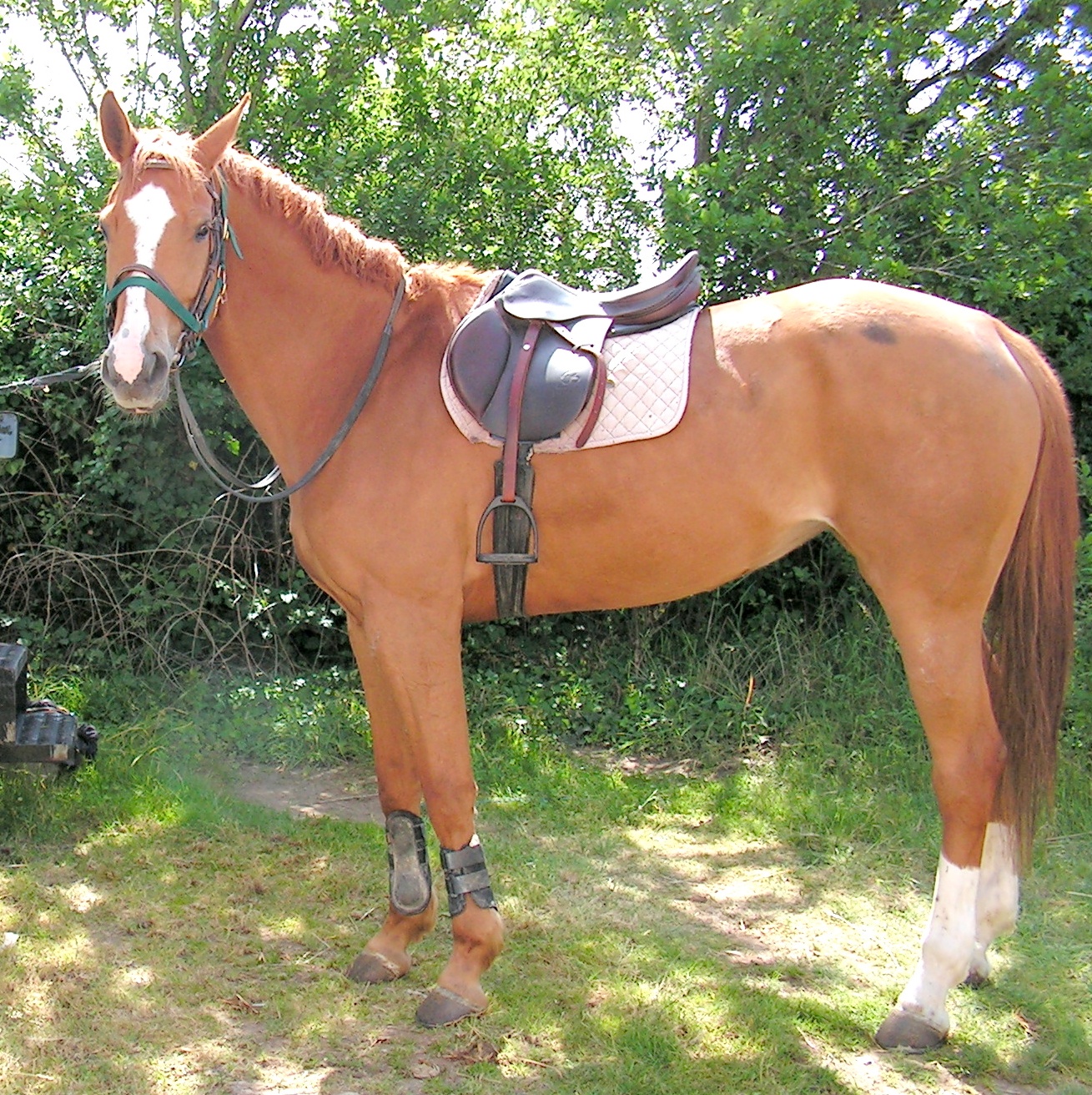
The Selle Français is France's premier sport horse, developed from Norman foundation stock crossed with Thoroughbred and other blood and unified under a single studbook in 1958. It is renowned above all as a show jumper, with strong careers also in eventing and dressage.
ℹ️
Educational only. KinStation content is reviewed by licensed veterinarians but cannot replace an in-person exam. Always consult a licensed veterinarian or board-certified specialist for diagnosis, treatment, or any decision affecting your pet's health.
🩺 Need expert help with your selle français?
Connect with a specialist near you or ask a licensed vet — never substitute online guidance for hands-on care in an emergency.
From the minimum an animal needs to be kept humanely, up to the ideal setup. Bigger is almost always better — minimums are floors, not targets.
Photo coming soon
Minimum
Stall + daily turnout + companion
12×12 ft stall + 1 ac pasture + run-in shed + companion equid
Equids are herd animals — solo housing is a welfare violation. Minimum: stall + daily turnout + at least one equid companion. Selle Français is the French sport horse — show jumping and eventing.
Barn + 5+ ac per horse + indoor/outdoor arena + herd
Multi-paddock rotation on 5+ ac per horse, arena access, herd-mate companions, structured training. Selle Français is the French sport horse — show jumping and eventing.
Life & growth stages
How this animal changes through its life — each stage often has its own care, diet and space needs.
Photo coming soon
Newborn
Newborn mammals are nursed on their mother's milk. Many are born helpless — blind, deaf, and sparsely furred (altricial, as in dogs, cats, and rodents) — while others stand and follow within hours (precocial, as in hoofed livestock).
Photo coming soon
Juvenile
After weaning, juveniles grow quickly and become increasingly active, playful, and independent. Adult coat, proportions, and (in many species) the permanent teeth come in as they approach full size.
Photo coming soon
Adult
Adults reach full body size and sexual maturity, with the species' mature coat and build. Sexual dimorphism — differences in size, mane, horns, or markings — is pronounced in some mammals and subtle in others.
Senior
Senior animals show aging signs such as graying fur, reduced activity, and a greater need for veterinary monitoring of joints, teeth, and organ function. Lifespan and the onset of old age vary widely by species and size.
Color & pattern variants
Natural variants occur in the wild; selectively bred (man-made) variants were developed in captivity.
Requires a stable yard with a generous box stall and daily turnout on secure, well-fenced pasture with a shelter. Like all athletic warmbloods it needs ample free movement and grazing to stay sound and content; chronic confinement leads to vices and stiffness. Maintain good barn ventilation, dry footing, and constant clean water.
Diet
Forage-based diet of quality hay/grass at roughly 1.5–2.5% of bodyweight daily, supplemented with concentrates or oil for horses in serious competition work. Add a balanced vitamin/mineral supplement and salt. Feed frequent small meals with continuous forage and water to guard against colic and ulcers, adjusting energy to the horse's workload and condition.
Behavior & temperament
A purpose-bred performance horse, dominant in international show jumping and also competitive in eventing and dressage. Selle Français horses are typically brave, scopey, and athletic with a generally willing, generous temperament; the Thoroughbred influence gives many of them blood and forwardness, so they suit confident, experienced riders. Performance is the central breeding goal.
Health
A robust, athletic breed, but subject to the usual sport-horse orthopaedic issues: osteochondrosis (OCD) in young horses, arthritis and tendon/suspensory ligament injuries from jumping, plus general risks of colic, gastric ulcers, and laminitis. The studbook is an open, performance-based registry that selects on competition results and conformation; pre-purchase vetting with radiographs is advised.
Tips, DIY & hacks
Develop young horses gradually to protect immature joints before heavy jumping, and keep tack well fitted. Maintain a 6–8 week farrier cycle plus routine dentistry, vaccination, and worming. Maximise turnout and forage for limb and gut health; pair these brave, forward horses with an experienced rider who can manage their scope and energy in the jumping ring.