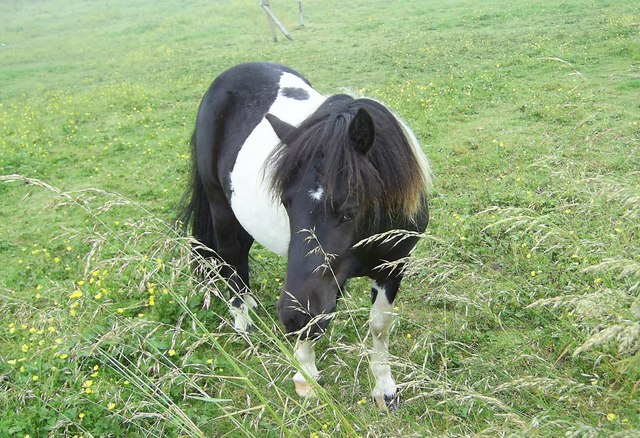
A tiny, immensely strong, and hardy pony from the windswept Shetland Isles, with a thick double coat, abundant mane and tail, and a famously bold personality. Pound for pound it is among the strongest of all equines.
ℹ️
Educational only. KinStation content is reviewed by licensed veterinarians but cannot replace an in-person exam. Always consult a licensed veterinarian or board-certified specialist for diagnosis, treatment, or any decision affecting your pet's health.
🩺 Need expert help with your shetland pony?
Connect with a specialist near you or ask a licensed vet — never substitute online guidance for hands-on care in an emergency.
Standard maximum 42 in (10.2 hands / 107 cm) at the withers in the UK (US registry up to 46 in / 11.2 hands); typically 400-450 lb (180-200 kg). Very strong for
Lifespan
20–30 years
Social needs
group
Native region
Scotland (Shetland Isles)
Family
Equidae
Genus
Equus
Part of the Horse breeds
Recognized horse breeds — selectively bred for type, purpose, and appearance.
From the minimum an animal needs to be kept humanely, up to the ideal setup. Bigger is almost always better — minimums are floors, not targets.
Photo coming soon
Minimum
Hardy pony lot + shelter + companion
Run-in shed + 1+ ac dry-lot/rough pasture + companion
Primitive/hardy ponies are bred for hill, moor, or steppe — they need shelter from wind and wet far more than a heated stall. Welfare floor: a sturdy run-in shed, at least 1 acre of rough pasture or dry-lot, hardy fencing, and a companion. Restrict lush grass to prevent laminitis. Laminitis-prone — strip-graze, weigh hay, and use a grazing muzzle on spring/autumn flush.
Photo coming soon
Recommended
Field-kept herd on rough pasture
Run-in shed + 2–3 ac rough pasture/horse + small herd
Field-kept herd on 2–3 acres of rough pasture per pony, a stout shed, and minimal interference. These breeds are designed to live out year-round in temperate climates and are healthier for it. Hard feed is rarely needed — quality hay and a salt lick usually suffice.
Photo coming soon
Ideal
Extensive rough grazing + traditional management
5+ ac rough grazing/horse + traditional shelter + herd
Extensive rough grazing on 5+ acres per pony, traditional dry-stone or hedge shelter, a stable herd, and management aligned with the breed's native conditions (moor / steppe / mountain). Conservation-grazing programmes are a natural fit for these primitive breeds.
Life & growth stages
How this animal changes through its life — each stage often has its own care, diet and space needs.
Photo coming soon
Newborn
Newborn mammals are nursed on their mother's milk. Many are born helpless — blind, deaf, and sparsely furred (altricial, as in dogs, cats, and rodents) — while others stand and follow within hours (precocial, as in hoofed livestock).
Photo coming soon
Juvenile
After weaning, juveniles grow quickly and become increasingly active, playful, and independent. Adult coat, proportions, and (in many species) the permanent teeth come in as they approach full size.
Photo coming soon
Adult
Adults reach full body size and sexual maturity, with the species' mature coat and build. Sexual dimorphism — differences in size, mane, horns, or markings — is pronounced in some mammals and subtle in others.
Senior
Senior animals show aging signs such as graying fur, reduced activity, and a greater need for veterinary monitoring of joints, teeth, and organ function. Lifespan and the onset of old age vary widely by species and size.
Color & pattern variants
Natural variants occur in the wild; selectively bred (man-made) variants were developed in captivity.
Needs secure paddock with low, strong fencing (escape artists) and a run-in shelter; extremely cold-hardy and does not require heavy rugging. A bare or 'starvation' paddock or track system is often needed because they founder easily on rich grass. Provide companionship — they hate being alone.
Diet
The classic easy keeper: thrives on sparse grazing and grass hay and becomes obese and laminitic on rich pasture or grain. Feed limited, low-sugar forage, avoid hard feed unless working hard or breeding, and use a grazing muzzle or restricted turnout in spring/summer. Provide a mineral supplement and fresh water.
Behavior & temperament
Intelligent, bold, characterful, and sometimes stubborn or cheeky if spoiled; very hardy and long-lived. Historically a pit/draft and pack pony, today a children's first pony, driving pony, and popular pet and show animal — though their cleverness means firm, consistent handling is needed.
Health
Highly prone to obesity, equine metabolic syndrome, laminitis, and hyperlipemia (a dangerous fat-metabolism crisis, especially in overweight ponies under stress or off feed). Watch for dental issues and overgrown hooves. Some lines carry skin conditions; small size can complicate dystocia in mares bred to larger stallions (never do this).
Tips, DIY & hacks
Strict weight control is the single most important task — measure forage, muzzle on grass, and keep them moving. Trim hooves regularly even if not ridden. Provide firm, fair, consistent training from the start to prevent 'small-pony syndrome' bad manners. Always keep at least one equine companion. Never breed a small mare to a large stallion.