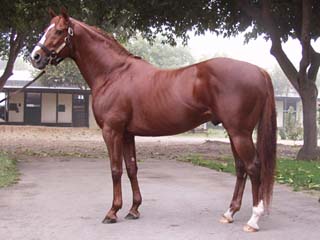
A hot-blooded racing horse developed in 17th-18th century England by crossing native mares with imported Arabian, Barb, and Turkoman stallions. Prized for speed, stamina, and athleticism, it dominates flat racing and excels in eventing, jumping, and dressage.
ℹ️
Educational only. KinStation content is reviewed by licensed veterinarians but cannot replace an in-person exam. Always consult a licensed veterinarian or board-certified specialist for diagnosis, treatment, or any decision affecting your pet's health.
🩺 Need expert help with your thoroughbred?
Connect with a specialist near you or ask a licensed vet — never substitute online guidance for hands-on care in an emergency.
From the minimum an animal needs to be kept humanely, up to the ideal setup. Bigger is almost always better — minimums are floors, not targets.
Photo coming soon
Minimum
Box stall + turnout + shed
12×12 ft stall + 1 ac turnout + run-in shed
Sport horses still need the 12×12 ft welfare-floor stall, 1+ acre of daily turnout, a shed, and a companion. Stall-only confinement causes ulcers and stereotypies even in performance horses. Hot-blooded — turnout, herd, and unfilled stomachs are not optional; ulcer risk is high without them.
Photo coming soon
Recommended
Stall + rotated pasture + working arena
12×12 ft stall + 2–3 ac rotated pasture + working arena
Stall plus 2–3 acres of rotated pasture per horse, regular turnout with a small herd, and access to a working arena for schooling. Sport horses benefit hugely from real turnout — performance and longevity both improve.
Photo coming soon
Ideal
Sport facility with varied terrain
Barn + 5+ ac/horse + arena + varied terrain access
Full sport facility: barn, 5+ acres per horse on multiple paddocks, indoor and outdoor arenas, and access to varied terrain (hills, hacking trails, cross-country fences). Companion herd plus a structured farrier, vet, physio, and training programme.
Life & growth stages
How this animal changes through its life — each stage often has its own care, diet and space needs.
Photo coming soon
Newborn
Newborn mammals are nursed on their mother's milk. Many are born helpless — blind, deaf, and sparsely furred (altricial, as in dogs, cats, and rodents) — while others stand and follow within hours (precocial, as in hoofed livestock).
Photo coming soon
Juvenile
After weaning, juveniles grow quickly and become increasingly active, playful, and independent. Adult coat, proportions, and (in many species) the permanent teeth come in as they approach full size.
Photo coming soon
Adult
Adults reach full body size and sexual maturity, with the species' mature coat and build. Sexual dimorphism — differences in size, mane, horns, or markings — is pronounced in some mammals and subtle in others.
Senior
Senior animals show aging signs such as graying fur, reduced activity, and a greater need for veterinary monitoring of joints, teeth, and organ function. Lifespan and the onset of old age vary widely by species and size.
Color & pattern variants
Natural variants occur in the wild; selectively bred (man-made) variants were developed in captivity.
Needs stabling with a clean, well-ventilated box stall (minimum 3.6 x 3.6 m) plus daily turnout on grass paddocks or pasture. Thin-skinned and lean-coated, they feel cold and wet easily, so rugs and a windproof field shelter are usually required in temperate winters. Generous turnout reduces stable vices in this high-energy breed.
Diet
Forage-first: free-choice or ample good-quality grass/hay forms the base. Hard-working or racing animals need energy-dense concentrates (grain, formulated performance feeds) fed in small frequent meals, plus a balanced vitamin/mineral and salt supply. Constant fresh water is essential. Prone to gastric ulcers, so avoid long fasting gaps and excessive starch.
Behavior & temperament
Bred for racing (flat and steeplechase) and now widely retrained for sport (eventing, show jumping, dressage) and pleasure riding. Temperament is sensitive, forward, energetic, and intelligent — willing and bold but reactive and not ideal for absolute beginners. Forms strong herd bonds and benefits from turnout companionship.
Health
Selective breeding for speed brings welfare concerns: high rates of gastric ulcers, exercise-induced pulmonary hemorrhage ('bleeding'), and orthopedic/limb injuries (tendon, suspensory, bone) under racing load. Relatively thin soles and shelly feet are common. A genetic line carries the recessive lethal GBED and other conditions; some lines show wobbler syndrome and respiratory issues. Generally fine-boned with limited weight tolerance.
Tips, DIY & hacks
Off-the-track Thoroughbreds (OTTBs) need a careful 'let-down' period and slow nutritional/ exercise transition into a new career. Feed plenty of forage to protect the stomach and add an ulcer-management routine for stressed horses. Maintain attentive farriery for their often-fragile feet. Provide ample turnout and a calm, consistent handler; channel their energy with structured work rather than confinement.