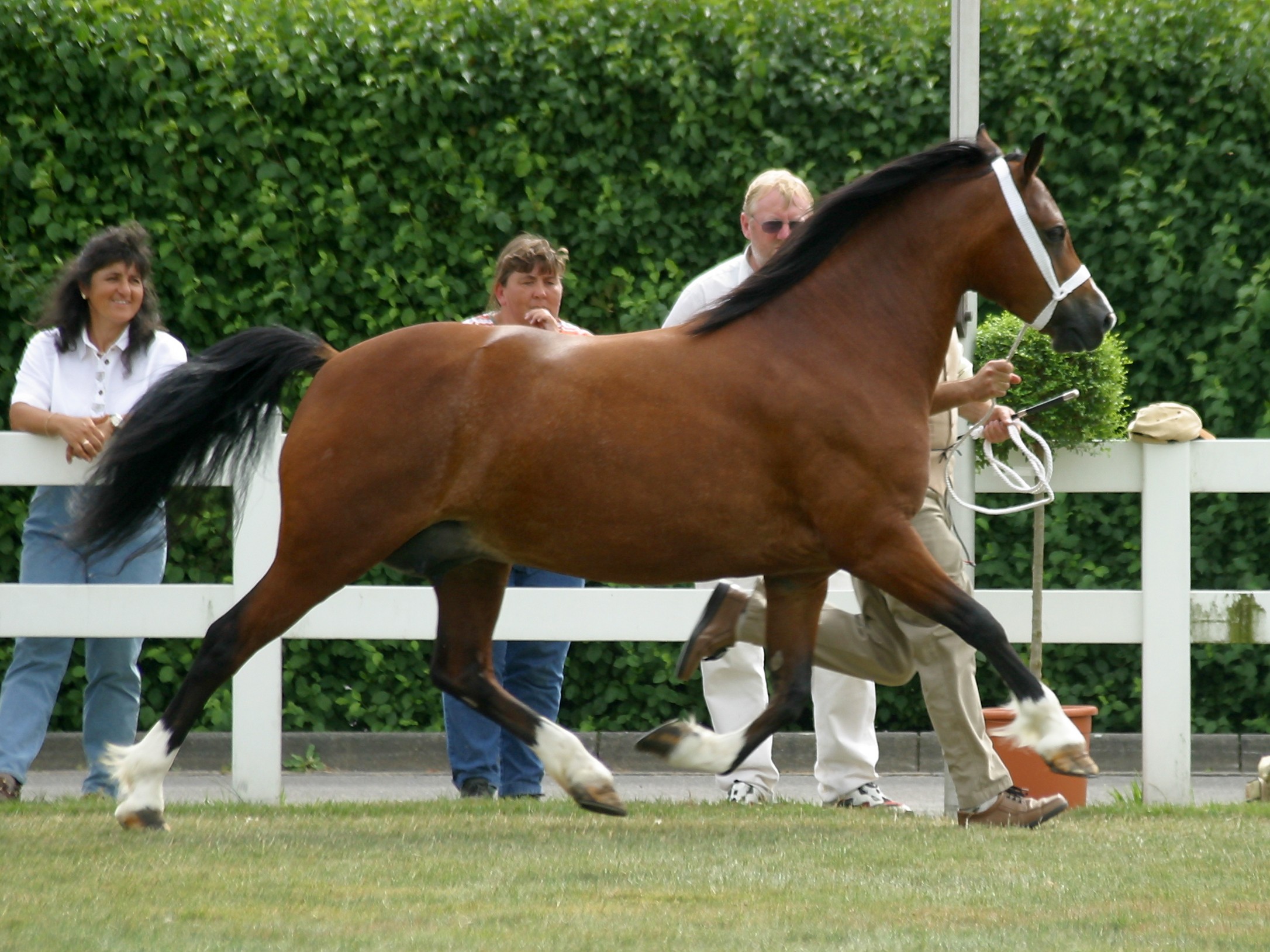
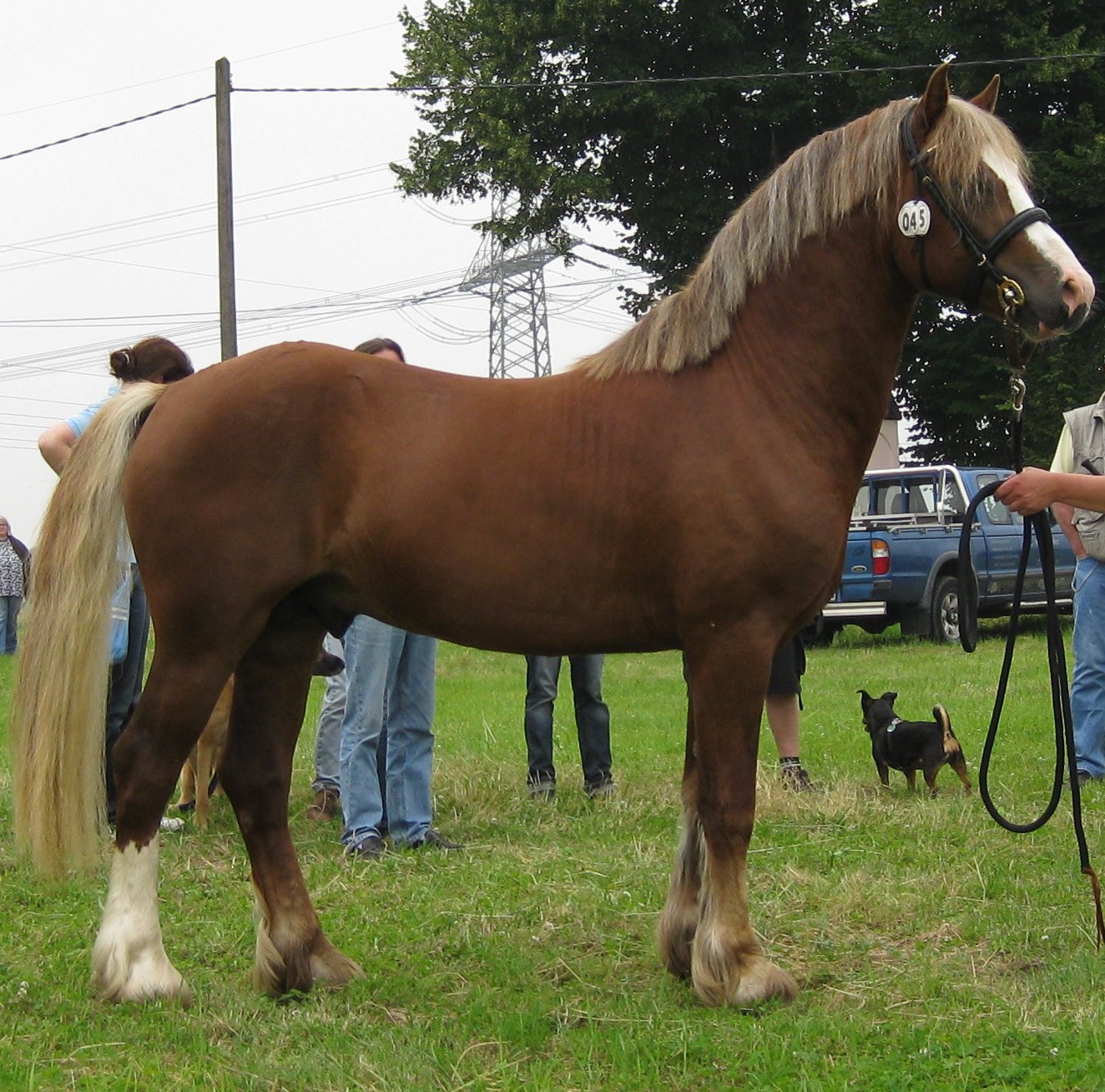
A hardy, elegant, and versatile pony from the hills of Wales, prized for its refined head, free movement, intelligence, and gentle yet spirited nature. The registry is divided into four sections (A, B, C, D) ranging from the small Welsh Mountain Pony to the larger Welsh Cob.
ℹ️
Educational only. KinStation content is reviewed by licensed veterinarians but cannot replace an in-person exam. Always consult a licensed veterinarian or board-certified specialist for diagnosis, treatment, or any decision affecting your pet's health.
🩺 Need expert help with your welsh pony?
Connect with a specialist near you or ask a licensed vet — never substitute online guidance for hands-on care in an emergency.
Varies by section: Section A (Mountain) up to 12 hands (122 cm); Section B (riding pony) up to 13.2 hands (137 cm); Sections C and D (Cob types) larger, Section
Lifespan
25–35 years
Social needs
group
Native region
Wales (United Kingdom)
Family
Equidae
Genus
Equus
Part of the Horse breeds
Recognized horse breeds — selectively bred for type, purpose, and appearance.
From the minimum an animal needs to be kept humanely, up to the ideal setup. Bigger is almost always better — minimums are floors, not targets.
Photo coming soon
Minimum
Pony stall + dry-lot/pasture + shed
10×10 ft stall + 0.5–1 ac dry-lot/pasture + run-in shed
Pony welfare floor: a 10×10 ft stall, at least 0.5–1 acre of turnout (often a dry-lot with limited grass — ponies are laminitis-prone easy keepers), a run-in shed, and a pony or equid companion. Strip-grazing and grazing muzzles are routine tools, not punishments.
Photo coming soon
Recommended
Stall + rotated dry-lot/pasture + pony herd
10×10 ft stall + 1–2 ac rotated dry-lot/pasture + shed
Stall, 1–2 acres of rotated turnout (with dry-lot zones for spring/autumn flush), a pony herd, and a sturdy pony fence. Regular farrier, careful feed management, and a vet-set body-condition target — overweight is the dominant welfare issue in pet ponies.
Photo coming soon
Ideal
Pony barn + managed grazing + herd
Pony barn + 3+ ac managed grazing/horse + arena access
Pony-scaled barn with carefully managed grazing on 3+ acres per pony, a settled pony herd, arena access for schooling or driving, and a tight programme of body-condition scoring, farrier work, and dentals. Ponies thrive on routine work — keep them busy to keep them sound.
Life & growth stages
How this animal changes through its life — each stage often has its own care, diet and space needs.
Photo coming soon
Newborn
Newborn mammals are nursed on their mother's milk. Many are born helpless — blind, deaf, and sparsely furred (altricial, as in dogs, cats, and rodents) — while others stand and follow within hours (precocial, as in hoofed livestock).
Photo coming soon
Juvenile
After weaning, juveniles grow quickly and become increasingly active, playful, and independent. Adult coat, proportions, and (in many species) the permanent teeth come in as they approach full size.
Photo coming soon
Adult
Adults reach full body size and sexual maturity, with the species' mature coat and build. Sexual dimorphism — differences in size, mane, horns, or markings — is pronounced in some mammals and subtle in others.
Senior
Senior animals show aging signs such as graying fur, reduced activity, and a greater need for veterinary monitoring of joints, teeth, and organ function. Lifespan and the onset of old age vary widely by species and size.
Color & pattern variants
Natural variants occur in the wild; selectively bred (man-made) variants were developed in captivity.
Very hardy; thrives with pasture and a run-in shelter and tolerates rough weather well. Standard fencing and turnout are fine, but as easy keepers many need restricted or low-sugar grazing. Provide companionship and space to move; they enjoy active turnout.
Diet
Forage-based on grass hay and pasture; most Welsh ponies are easy keepers and prone to weight gain, so rich grass and grain should be limited. Match any hard feed to genuine workload. Provide a balanced vitamin/mineral supplement, salt, and fresh water, and monitor condition to prevent obesity and laminitis.
Behavior & temperament
Intelligent, kind, brave, and people-oriented with lively, flowing movement — an excellent children's and all-around family pony as well as a competitive show, driving, jumping, and dressage mount. The larger Cobs (C and D) are strong enough for adult riding and harness work.
Health
Generally very hardy and long-lived. Main risks are obesity, equine metabolic syndrome, and laminitis from rich grazing. Section A/B lines can carry equine lavender foal syndrome and other rare genetic conditions; reputable breeders test where relevant. Routine dental and hoof care recommended.
Tips, DIY & hacks
Manage grazing to prevent obesity, especially in the smaller sections. Their intelligence rewards consistent, varied training and they can become bored or cheeky if under-stimulated. Choose the section to match the rider: A/B for children, C/D Cobs for larger children and adults. Maintain regular farrier and dental visits.