Temperate forests are mid-latitude woodlands — chiefly deciduous broadleaf, often mixed with conifers — that experience four distinct seasons. Defined by the annual cycle of leaf-out, growth, autumn color, and winter dormancy, they support a familiar community of mammals, birds, amphibians, and insects.
Geography
They blanket much of eastern North America, Europe, and East Asia (Japan, Korea, eastern China), with smaller areas in the Southern Hemisphere. They sit between the cold boreal forest to the north and warmer grasslands or subtropics to the south, on soils enriched by centuries of leaf litter.
Climate
Temperate forests have warm summers and cold winters, with precipitation spread through the year and often including snow. The growing season is interrupted by a genuine cold dormant period, which is why most broadleaf trees drop their leaves. Frost, snow, and a clear seasonal light cycle govern the rhythm of life here.
Flora & fauna
Oaks, maples, beeches, birches, and hickories form the canopy, over a layer of shrubs, wildflowers, ferns, and mosses. Wildlife includes deer, foxes, raccoons, squirrels, songbirds, owls, woodpeckers, salamanders, newts, frogs, and many insects. Several temperate amphibians and reptiles — newts, box turtles, garter snakes, and corn snakes from related habitats — appear in responsible herpetoculture.
Conservation
Much original temperate forest was long ago cleared for farms and cities; remaining tracts face fragmentation, invasive species, pests and pathogens, deer overbrowsing, and climate stress. Conservation includes protected woodlands, reforestation, invasive control, and connecting fragments with corridors.
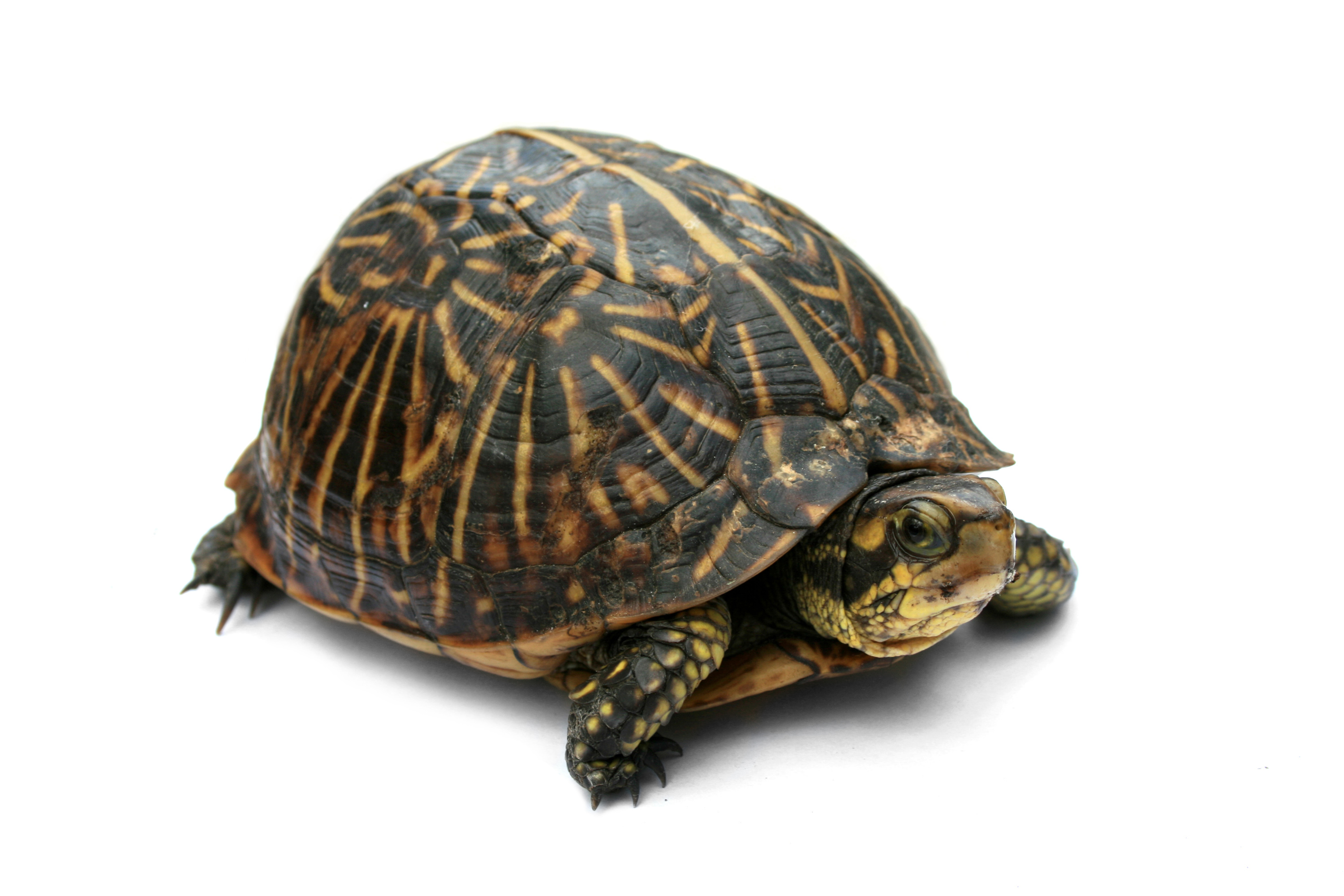
A terrestrial North American turtle with a hinged plastron that lets it close its shell completely. Extremely long-lived and a poor terrarium animal — it does best in large outdoor enclosures and is protected or collection-restricted in many US states.
A hardy, widely distributed North American newt famous for its complex life cycle, which includes a brilliant orange terrestrial 'red eft' juvenile stage before the animal matures into an olive-green aquatic adult. Mildly toxic skin makes it well defended in the wild but means it should never be handled casually.
The spotted salamander is a robust North American mole salamander, glossy black with two irregular rows of bright yellow (sometimes orange) spots. A secretive burrower that spends most of its life underground, it is long-lived and hardy in a cool, deep-substrate terrarium.
An active, diurnal, semi-aquatic North American colubrid that is one of the few pet snakes comfortable being kept in small groups. Its small size and lively daytime behavior make it a great, engaging beginner species.
Corn snakes are non-venomous North American colubrids often considered the most beginner-appropriate pet snake. They are active, hardy, and relatively easy to handle, though their lifespan and escape skills demand commitment.
A delicate, brilliant-green arboreal colubrid native to the eastern and south-central U.S. that is unusual among pet snakes for being a dedicated insectivore. It is a beautiful but demanding 'look, don't touch' species that stresses easily, and captive-bred animals should always be chosen over wild-caught.
A hardy North American treefrog with remarkable camouflage, able to shift between gray, green, and brown and revealing hidden bright-yellow-orange flash markings on its inner thighs. Formerly placed in the genus Hyla, it is an excellent, cold-tolerant beginner tree frog. It is essentially identical in appearance to Cope's gray treefrog (Dryophytes chrysoscelis), distinguished mainly by call and chromosome number (D. versicolor is tetraploid).
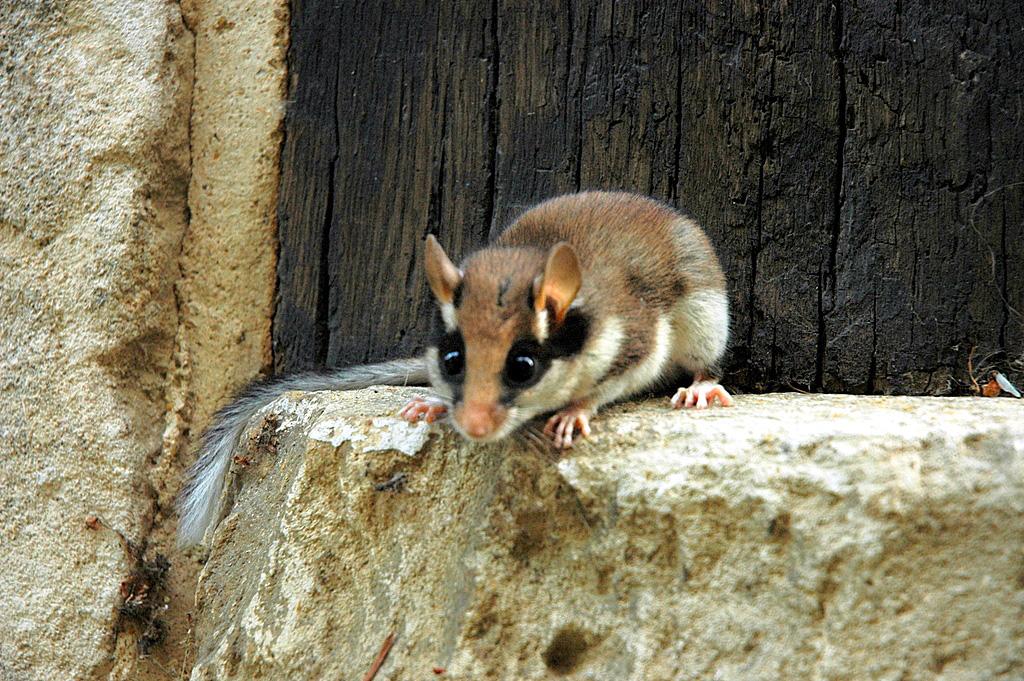
The garden dormouse is a boldly masked, big-eyed European glirid with a striking black-and-white tufted tail. A nocturnal, climbing specialist that naturally hibernates, it is a rarely kept, advanced display animal whose declining wild populations make captive sourcing and legality especially important.
The classic arching, feathery fern of porches and hanging baskets, the Boston fern is lush and graceful but famous for shedding leaflets when the air is too dry. Given humidity and steady moisture it is a generous, easy grower.
Delicate, lacy fronds of tiny fan-shaped leaflets on wiry black stems give the maidenhair fern its airy beauty — and its reputation as a diva that crisps at the first hint of dry air or a missed watering.
A vigorous trailing and climbing evergreen vine with lobed leaves, popular for hanging baskets, topiaries, and as a cascading shelf plant. Tough and fast-growing indoors, it is genuinely invasive outdoors in many regions and is toxic to pets, so it warrants a careful placement.