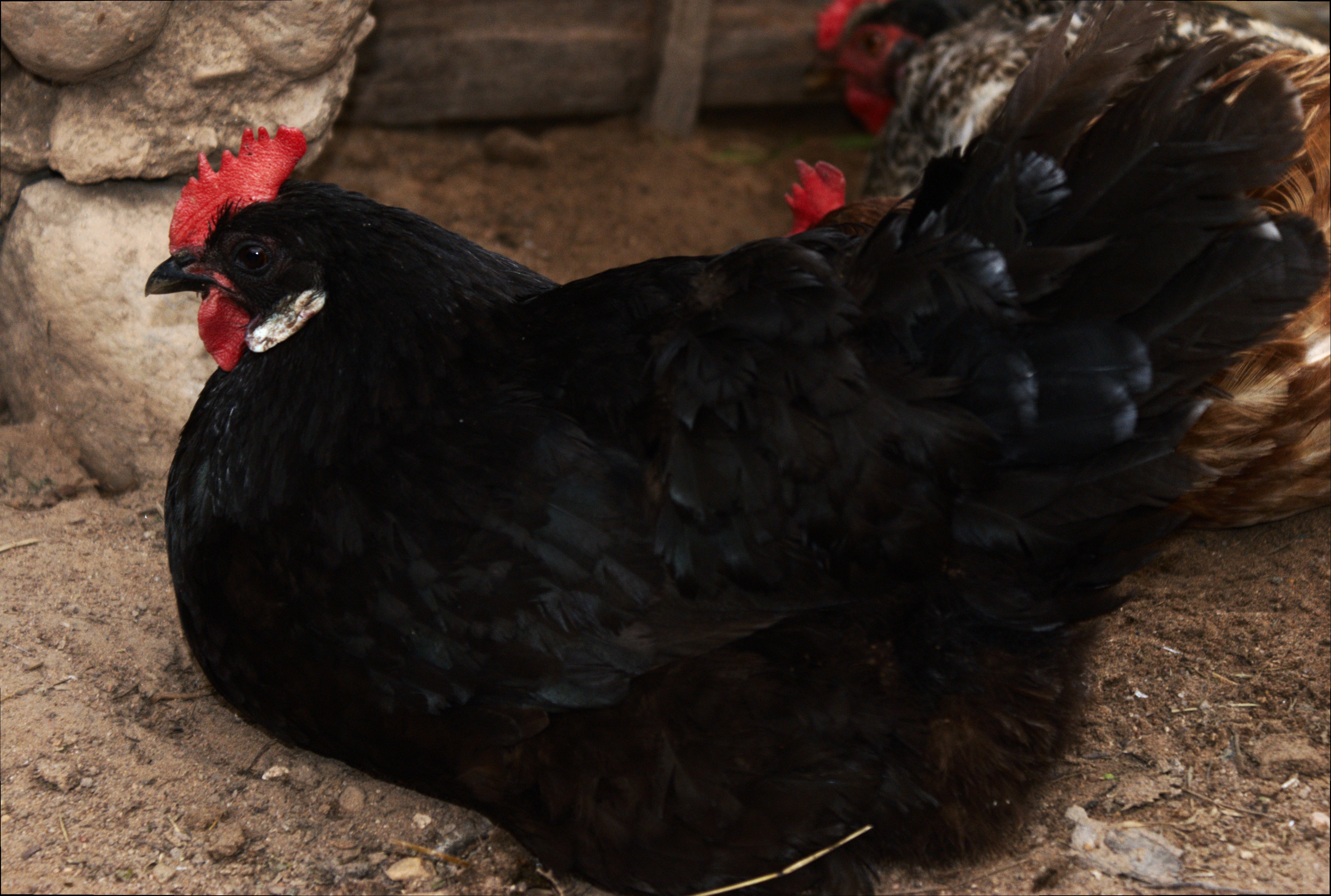
A handsome Mediterranean layer best known for its blue, lace-edged plumage produced by an incompletely dominant gene. An active white-egg layer that tolerates heat well.
ℹ️
Educational only. KinStation content is reviewed by licensed veterinarians but cannot replace an in-person exam. Always consult a licensed veterinarian or board-certified specialist for diagnosis, treatment, or any decision affecting your pet's health.
🩺 Need expert help with your andalusian?
Connect with a specialist near you or ask a licensed vet — never substitute online guidance for hands-on care in an emergency.
From the minimum an animal needs to be kept humanely, up to the ideal setup. Bigger is almost always better — minimums are floors, not targets.
Photo coming soon
Minimum
Coop + secure run
4 sq ft coop + 10 sq ft run per bird
Blue Andalusians are light (5–6 lb), active Mediterranean layers. Provide 4 sq ft coop per bird with high roosts, one nest box per 4 hens, and a 10 sq ft run minimum. Their large single comb is frost-susceptible — petroleum jelly on combs in hard freezes.
Photo coming soon
Recommended
Covered run + foraging
5 sq ft coop + 15 sq ft covered run per bird
Covered run with branch perches and clutter, deep-litter coop, and a sand dust bath. Andalusians are flighty and need height — 4 ft roosts. Plan for ~50% blue, 25% black, 25% splash from blue × blue breeding.
Photo coming soon
Ideal
Free-range with secure coop
Free-range + 6 sq ft coop per bird
Free-range or rotated paddocks with 6 ft fencing (they fly), locked in a predator-proof coop at dusk. Excellent foragers; lay through summer heat better than heavier breeds.
Life & growth stages
How this animal changes through its life — each stage often has its own care, diet and space needs.
Photo coming soon
Egg
Birds develop inside a hard-shelled egg incubated by the parent(s). Egg size, shell color, and clutch size vary by species; the embryo develops over days to weeks before hatching.
Photo coming soon
Hatchling / Chick
Hatchlings are either altricial — naked, blind, and dependent on parents (typical of parrots and songbirds) — or precocial — downy, mobile, and self-feeding soon after hatching (typical of poultry and waterfowl). Down gives way to the first feathers.
Photo coming soon
Juvenile / Fledgling
Fledglings grow in their juvenile plumage and begin to fly and feed themselves, though they may still beg from parents at first. Juvenile feathering is often duller than the adult and is replaced as the bird matures.
Adult
Adults attain full body size and mature plumage, and are capable of breeding. Many species show distinct adult coloration, and in sexually dimorphic birds males and females differ in plumage, size, or markings.
(c) D. N., some rights reserved (CC BY-NC) via iNaturalist — https://www.inaturalist.org/observations/312084723
Color & pattern variants
Natural variants occur in the wild; selectively bred (man-made) variants were developed in captivity.
Provide a coop (~4 sq ft per bird) and a roomy run; Andalusians are active foragers and capable fliers, so secure or covered runs help. As a Mediterranean breed they handle heat and warm climates excellently and prefer free-range space. The large single comb is prone to frostbite, so give draft-free, well-ventilated winter housing.
Diet
Standard layer ration (~16%) with oyster shell and grit; 18-20% for growers. Efficient foragers that supplement their diet on range. Provide ample fresh water, especially in heat. Their lean, active build means they are not prone to obesity.
Behavior & temperament
Egg-laying breed producing ~150-165 large white eggs per year; hens rarely go broody. Active, alert, and somewhat flighty — they dislike confinement and can be noisy and standoffish rather than affectionate. Valued for eggs, beauty, and exhibition.
Health
Hardy overall. The large single comb and wattles are susceptible to frostbite in cold climates — apply petroleum jelly and ensure dry, draft-free housing. The blue color is genetically unstable: breeding blue x blue yields roughly 50% blue, 25% black, and 25% splash (white-ish with blue flecks), so 'pure' blue cannot be bred true.
Tips, DIY & hacks
For the prized lace-blue color, cross black x splash, which yields ~100% blue offspring. Protect combs in winter. Provide free-range or large runs to satisfy their active nature and reduce flightiness. Handle from a young age for tamer birds. An excellent heat-tolerant choice for warm regions.