🐾 LandCare difficulty: BeginnerLegal complexity: Low
Columbia
Ovis aries
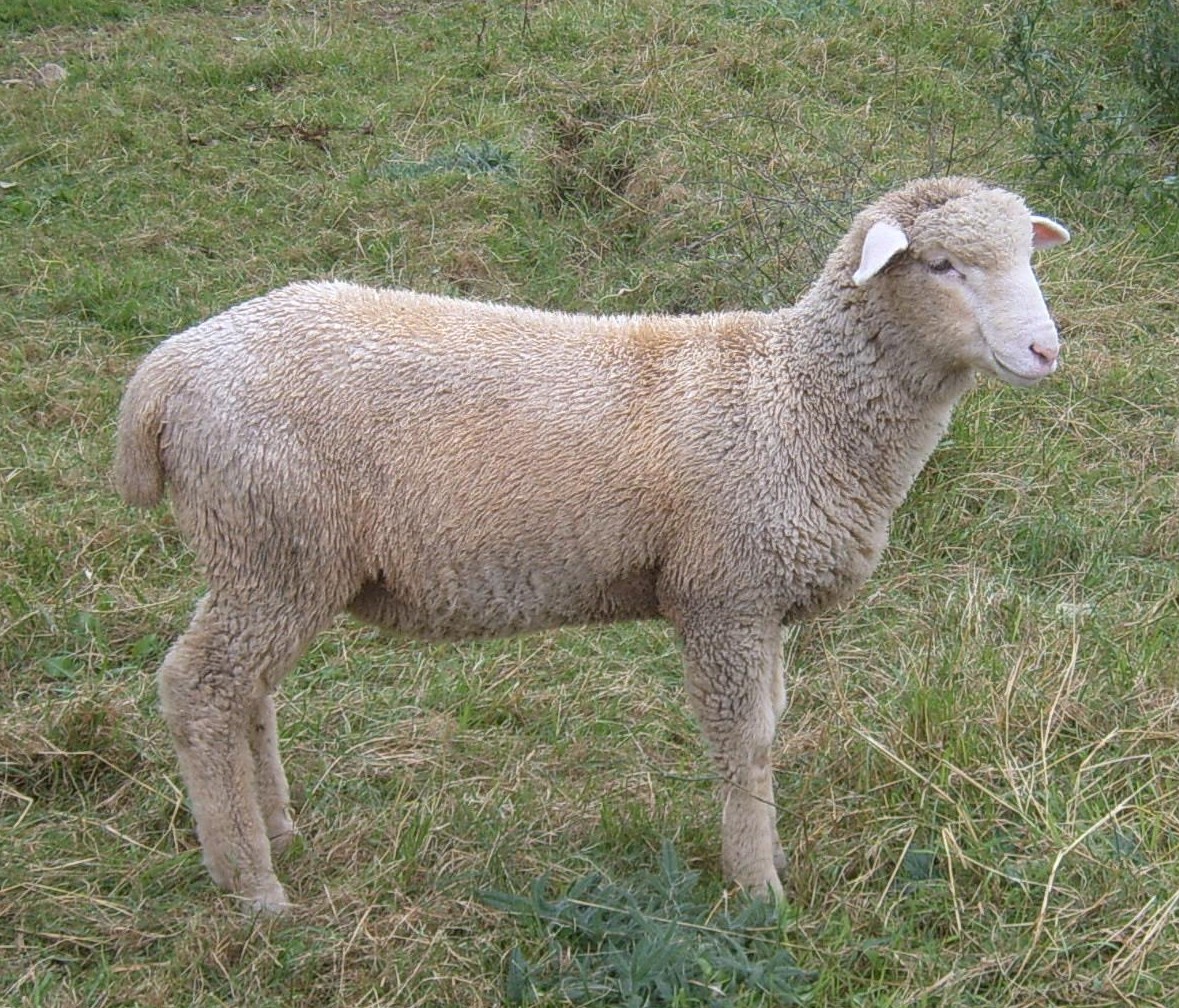
The Columbia was one of the first sheep breeds developed in the United States (by the USDA, starting 1912) by crossing Lincoln rams with Rambouillet ewes to create a large, dual-purpose range sheep producing heavy medium fleece and big market lambs.
Educational only. KinStation content is reviewed by licensed veterinarians but cannot replace an in-person exam. Always consult a licensed veterinarian or board-certified specialist for diagnosis, treatment, or any decision affecting your pet's health.
🩺 Need expert help with your columbia?
Connect with a specialist near you or ask a licensed vet — never substitute online guidance for hands-on care in an emergency.
Quick facts
| Size | Ewes ~68-100 kg (150-225 lb), rams ~102-136 kg (225-300 lb) |
| Lifespan | 8–12 years |
| Social needs | group |
| Native region | United States |
| Family | Bovidae |
| Genus | Ovis |
Part of the Sheep breeds
Recognized sheep breeds — selectively bred for type, purpose, and appearance.
Habitat & space requirements
From the minimum an animal needs to be kept humanely, up to the ideal setup. Bigger is almost always better — minimums are floors, not targets.
Life & growth stages
How this animal changes through its life — each stage often has its own care, diet and space needs.
Habitat & enclosure
Bred for the open western range, the Columbia is well suited to large pasture and extensive grazing systems but adapts to farm flocks with good fencing and a shelter for shade and lambing. It is a large-framed, hardy sheep that flourishes on grass. Provide rotational grazing for parasite control, plus constant clean water and free-choice sheep minerals.
Diet
Primarily pasture and range forage, supplemented with hay in winter and concentrate for late-gestation or lactating ewes raising twins. As a large, productive breed it needs adequate quality nutrition to maintain condition and fleece. Use sheep-specific minerals only — avoid copper-supplemented feeds (copper toxicity). Ensure fresh water is always available.
Behavior & temperament
Generally calm and easy to handle, with good flocking instinct, strong mothering and high twinning — practical and beginner-friendly. Dual-purpose: produces a heavy, dense medium-wool fleece and large, fast-growing meat lambs, which made it a backbone of the U.S. western sheep industry. Hardy and productive under range conditions yet docile enough for farm flocks.
Health
Robust and adaptable. Heavy fleece around the face can cause wool-blindness in some lines, and the dense wool needs flystrike management. Standard concerns: internal parasites (FAMACHA), footrot in wet conditions, and pregnancy toxemia in poorly fed ewes carrying twins. Maintain CDT vaccination, routine hoof trimming and worm control; trim or breed for an open face.
Tips, DIY & hacks
Shear annually in spring; the abundant medium fleece is good general-purpose wool. Crutch before fly season and keep the rear clean against flystrike. Clip face wool if it grows over the eyes to prevent wool-blindness. Their size and milk make them productive mothers — feed ewes well in late pregnancy for the breed's common twins. Suits beginners wanting a larger, productive farm flock.
Sources
- Columbia Sheep Breeders Association of America (breed association)
- Columbia sheep — Wikipedia (encyclopedia)
- Wikipedia: Columbia (wiki)