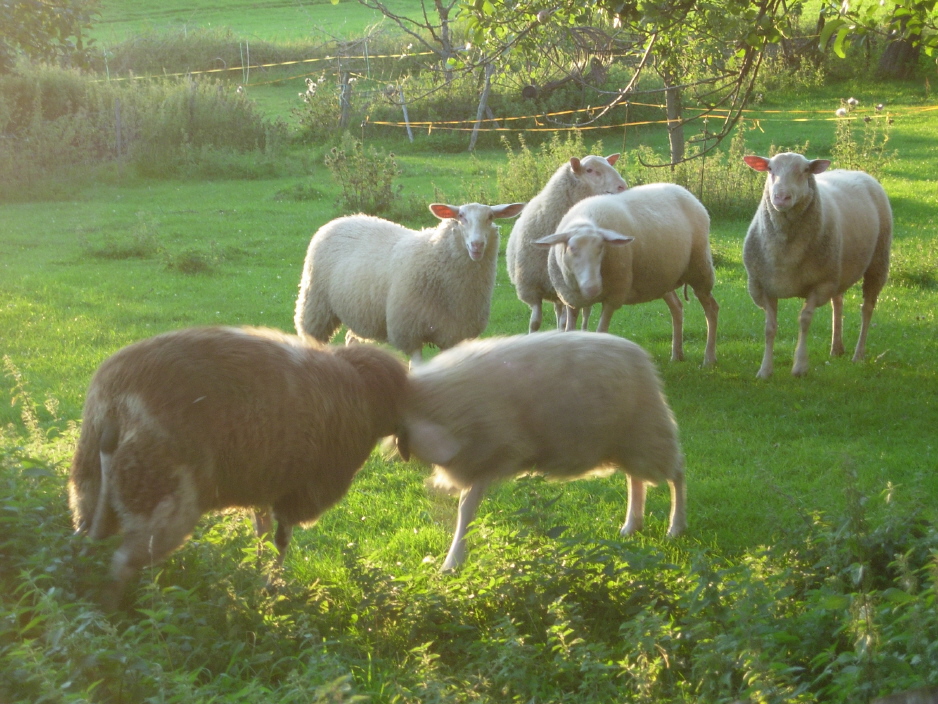
The world's leading dairy sheep breed, capable of high milk yields over a long lactation for cheese and yoghurt. Productive and gentle, but less hardy and more management-intensive than hill breeds.
ℹ️
Educational only. KinStation content is reviewed by licensed veterinarians but cannot replace an in-person exam. Always consult a licensed veterinarian or board-certified specialist for diagnosis, treatment, or any decision affecting your pet's health.
🩺 Need expert help with your east friesian?
Connect with a specialist near you or ask a licensed vet — never substitute online guidance for hands-on care in an emergency.
From the minimum an animal needs to be kept humanely, up to the ideal setup. Bigger is almost always better — minimums are floors, not targets.
Photo coming soon
Minimum
Small flock + clean milking shed
0.5 ac dry-lot for 4–5 ewes + shed + milk stand
Dairy sheep are flock animals (≥ 2–3) and need a clean, dust-free milking area in addition to the standard 3-sided shed. Half-acre dry-lot with hay, minerals, clean water, and predator-proof fencing.
Photo coming soon
Recommended
Rotated pasture + milking parlor
≈ 1 ac per 2–3 ewes + small milking parlor
Rotate paddocks for forage and parasite control. Twice-daily milking on a routine schedule, separate weaning area for lambs, free-choice minerals, and either an LGD or strong perimeter fencing.
Photo coming soon
Ideal
Managed dairy flock
Managed rotation, parlor, lambing barn
Pasture rotation with full dairy management — parlor with proper hygiene, parasite monitoring, hoof trimming, and a quiet lambing barn. East Friesians are the most productive dairy sheep breed — twice-daily milking, careful nutrition during lactation, and clean parlor hygiene are essential.
Life & growth stages
How this animal changes through its life — each stage often has its own care, diet and space needs.
Photo coming soon
Newborn
Newborn mammals are nursed on their mother's milk. Many are born helpless — blind, deaf, and sparsely furred (altricial, as in dogs, cats, and rodents) — while others stand and follow within hours (precocial, as in hoofed livestock).
Photo coming soon
Juvenile
After weaning, juveniles grow quickly and become increasingly active, playful, and independent. Adult coat, proportions, and (in many species) the permanent teeth come in as they approach full size.
Photo coming soon
Adult
Adults reach full body size and sexual maturity, with the species' mature coat and build. Sexual dimorphism — differences in size, mane, horns, or markings — is pronounced in some mammals and subtle in others.
Senior
Senior animals show aging signs such as graying fur, reduced activity, and a greater need for veterinary monitoring of joints, teeth, and organ function. Lifespan and the onset of old age vary widely by species and size.
Color & pattern variants
Natural variants occur in the wild; selectively bred (man-made) variants were developed in captivity.
Good pasture plus a clean, dry barn — essential for a dairy flock. They need shelter, comfortable bedded housing, and (for milking) hygienic milking facilities. The breed is less tolerant of wet, cold, harsh or intensively stocked conditions than mountain breeds, and does best on lush lowland pasture with low parasite pressure. Provide ample space; they are sensitive to crowding.
Diet
High-quality, high-energy and high-protein diet to support heavy milk production: excellent pasture, leafy hay/silage and dairy-level concentrate feeding during lactation. Reliable access to abundant clean water (milk production demands it) and a properly balanced dairy mineral programme are critical. Underfeeding quickly cuts yield and condition.
Behavior & temperament
A specialist dairy breed (also used to add milk and prolificacy to crossbreds, e.g. for milk-sheep crosses); produces large lambs and medium wool as secondary products. Temperament is calm, docile and people-oriented, which suits twice-daily milking. Ewes are very milky and prolific (frequent twins), often good mothers but bred primarily for the parlour.
Health
Higher-maintenance and less robust than hardy breeds. They are more susceptible to internal parasites and footrot, do poorly in harsh/wet climates, and — as high-yielding dairy animals — are prone to mastitis, metabolic disorders and the stresses of heavy lactation. Good udder health, parasite control and biosecurity are essential. Purebred performance often suffers outside good husbandry, so they are frequently crossed for resilience.
Tips, DIY & hacks
Best suited to keepers committed to dairy management: practise rigorous milking hygiene, parasite control and high-plane nutrition. On rougher ground, cross East Friesians with hardier breeds to retain milkiness while improving robustness. Provide low-stress handling and consistent routines to support milk let-down. Not a beginner's hill sheep — choose this breed specifically for milk.