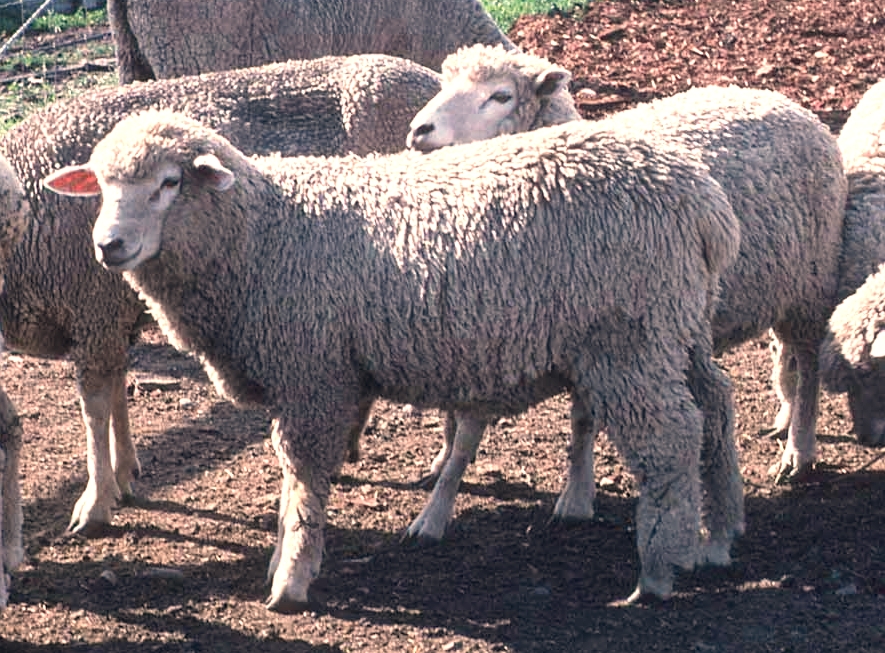
One of the oldest of the crossbred sheep, the Corriedale was developed in New Zealand and Australia by crossing Merino with long-wool breeds (Lincoln/Romney/Leicester) to create a hardy, dual-purpose sheep with bulky, even fleece and good meat. It is now raised worldwide.
ℹ️
Educational only. KinStation content is reviewed by licensed veterinarians but cannot replace an in-person exam. Always consult a licensed veterinarian or board-certified specialist for diagnosis, treatment, or any decision affecting your pet's health.
🩺 Need expert help with your corriedale?
Connect with a specialist near you or ask a licensed vet — never substitute online guidance for hands-on care in an emergency.
From the minimum an animal needs to be kept humanely, up to the ideal setup. Bigger is almost always better — minimums are floors, not targets.
Photo coming soon
Minimum
Small flock dry-lot + shed
0.5 ac dry-lot for 4–5 head + 3-sided shed
Sheep are obligate herd animals — keep at least 2–3, never solo. A half-acre dry-lot with daily hay, fresh water, mineral access, and an open-front 3-sided shed for shade and weather. Perimeter must be predator-proof (sturdy woven wire or electric net).
Photo coming soon
Recommended
Rotational pasture
≈ 1 ac per 2–3 sheep, rotated paddocks
Rotate the flock across 2–4 paddocks to break parasite cycles and keep forage healthy. Provide a windbreak/shelter, free-choice minerals, clean water, and a guardian (LGD) or strong perimeter fencing against coyotes and dogs.
Photo coming soon
Ideal
Managed pasture + LGD
Managed rotation, LGD, full hoof/shear program
Large managed pasture rotation with a livestock guardian dog, scheduled hoof trimming, shearing once or twice a year, and parasite monitoring (FAMACHA). Lambing barn or jug space available in season. Corriedales are a dual-purpose breed (meat + medium wool) widely used worldwide — adaptable to a range of climates and pasture systems.
Life & growth stages
How this animal changes through its life — each stage often has its own care, diet and space needs.
Photo coming soon
Newborn
Newborn mammals are nursed on their mother's milk. Many are born helpless — blind, deaf, and sparsely furred (altricial, as in dogs, cats, and rodents) — while others stand and follow within hours (precocial, as in hoofed livestock).
Photo coming soon
Juvenile
After weaning, juveniles grow quickly and become increasingly active, playful, and independent. Adult coat, proportions, and (in many species) the permanent teeth come in as they approach full size.
Photo coming soon
Adult
Adults reach full body size and sexual maturity, with the species' mature coat and build. Sexual dimorphism — differences in size, mane, horns, or markings — is pronounced in some mammals and subtle in others.
Senior
Senior animals show aging signs such as graying fur, reduced activity, and a greater need for veterinary monitoring of joints, teeth, and organ function. Lifespan and the onset of old age vary widely by species and size.
Color & pattern variants
Natural variants occur in the wild; selectively bred (man-made) variants were developed in captivity.
A flock animal kept on pasture with secure fencing and a basic shelter for shade and lambing. Adaptable and hardy across a wide range of climates and terrains, from extensive rangeland to small farms. Rotational grazing manages parasites; provide constant clean water and free-choice sheep minerals. Suits both large commercial flocks and smallholder/fiber keepers.
Diet
Efficient grazer that does well on grass and legume pasture with hay in winter; thrives on relatively low-input forage thanks to its Merino-cross hardiness. Supplement late-gestation and lactating ewes as needed for twins. Use only sheep-appropriate minerals — avoid copper-supplemented cattle/goat feed (copper toxicity). Provide fresh water at all times.
Behavior & temperament
Calm, docile, adaptable and good mothers with strong milk production and easy lambing — an excellent, forgiving beginner and smallholder breed. True dual-purpose: produces a bulky, soft, medium-fine fleece (popular with hand-spinners for its even crimp and good staple) and a well-muscled meat carcass. The breed's versatility made it one of the most numerous in the Southern Hemisphere.
Health
Hardy and trouble-free relative to many breeds. Heavy, dense fleece means flystrike prevention (crutching, timely shearing) is important. Otherwise standard ovine care: internal parasites (FAMACHA monitoring), footrot in wet ground, and pregnancy toxemia in poorly conditioned ewes. Maintain CDT vaccination, routine hoof trimming and worm control.
Tips, DIY & hacks
Shear once a year in spring; the soft, lofty fleece is a great starter fiber for hand-spinners and felters. Crutch before fly season and keep the rear clean to deter flystrike. Their hardiness and calm temperament make them ideal first sheep and reliable mothers, so they suit beginners building a self-replacing flock. Trim hooves every 6-10 weeks.