KinStation
Sign inSign up
← Encyclopedia
🐾 Land🐦 FlyingCare difficulty: AdvancedLegal complexity: Low

English Pouter

Columba livia domestica · also called English Pouter Pigeon, Pouter

⚖️ Compare
English Pouter

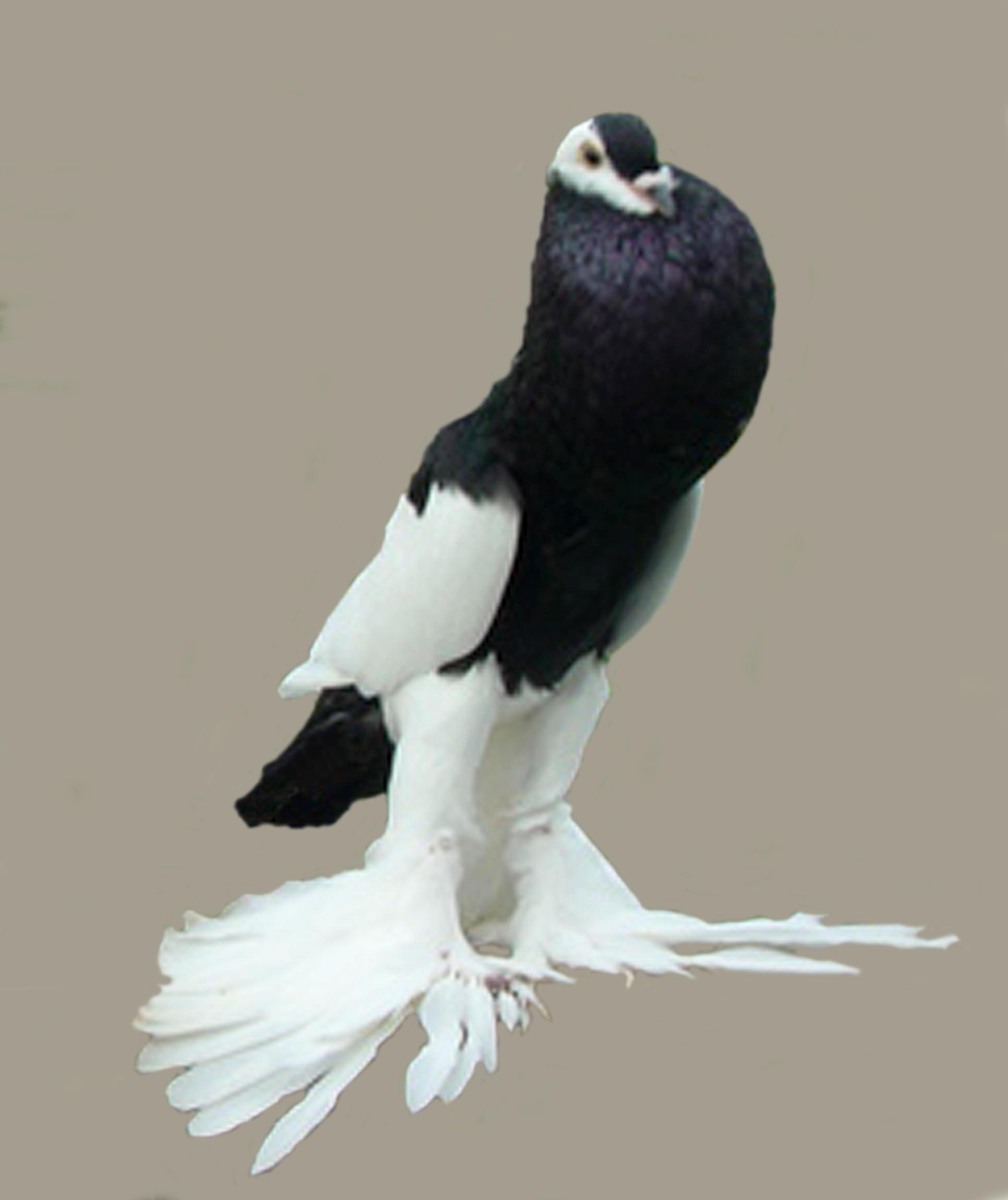
The classic, exaggerated English exhibition pouter — extremely tall, slim and long-legged, with a large inflatable globe (crop). It is a demanding show breed prized for length of limb, slenderness and 'waist'.

Educational only. KinStation content is reviewed by licensed veterinarians but cannot replace an in-person exam. Always consult a licensed veterinarian or board-certified specialist for diagnosis, treatment, or any decision affecting your pet's health.

🩺 Need expert help with your english pouter?

Connect with a specialist near you or ask a licensed vet — never substitute online guidance for hands-on care in an emergency.

💬 Ask a vet in the community

Quick facts

SizeTall, slim show pigeon standing very erect; overall height often 38-45 cm with long legs, body weight roughly 300-400 g
Lifespan8–12 years
Social needsgroup
Native regionUnited Kingdom
FamilyColumbidae
GenusColumba

Part of the Pigeon breeds

Recognized pigeon breeds — selectively bred for type, purpose, and appearance.

African OwlArchangelBirmingham RollerEnglish CarrierEnglish TrumpeterFantailFrillbackHelmetIce PigeonJacobinKing PigeonModenaNun PigeonOld Dutch Capuchine+7 more →

Habitat & space requirements

From the minimum an animal needs to be kept humanely, up to the ideal setup. Bigger is almost always better — minimums are floors, not targets.

Photo coming soon
Minimum

Stand-up loft (per pair)

≈ 4 sq ft loft + 6 sq ft fly pen / pair

English Pouters are exceptionally tall (≈ 18 in) and balance poorly — they need ample headroom, V-perches, and a non-slip sand floor. A bare minimum is 4 sq ft of loft floor and 6 sq ft of covered fly pen per pair, with individual nest cubicles, grit, calcium, deep water, and protection from rain that would wet the leg-feather muff.

Photo coming soon
Recommended

Roomy loft + dry fly pen

≈ 6 sq ft loft + 10 sq ft fly pen / pair

Provide a divided loft at 6 sq ft per pair with high ceilings (≥ 6 ft) so cocks can crop-puff and strut, plus an attached fly pen of 10+ sq ft per pair. Use V-perches, never round dowels — Pouters need a flat keel to balance. Bath twice weekly in shallow water but keep the foot feathering dry.

Photo coming soon
Ideal

Walk-in loft + show flights

Walk-in loft + 20+ sq ft fly / pair

A walk-in loft with separate breeding, young-bird, and stock sections plus a 20+ sq ft per pair covered aviary gives Pouters room to perform full crop-blowing displays and short flights. Sand or kiln-dried wood-shaving floor, deep nest cubes, and a sheltered bath area protect the long muffs that define this 17th-century breed.

Life & growth stages

How this animal changes through its life — each stage often has its own care, diet and space needs.

Photo coming soon
Egg

Birds develop inside a hard-shelled egg incubated by the parent(s). Egg size, shell color, and clutch size vary by species; the embryo develops over days to weeks before hatching.

Photo coming soon
Hatchling / Chick

Hatchlings are either altricial — naked, blind, and dependent on parents (typical of parrots and songbirds) — or precocial — downy, mobile, and self-feeding soon after hatching (typical of poultry and waterfowl). Down gives way to the first feathers.

Photo coming soon
Juvenile / Fledgling

Fledglings grow in their juvenile plumage and begin to fly and feed themselves, though they may still beg from parents at first. Juvenile feathering is often duller than the adult and is replaced as the bird matures.

Adult stage
Adult

Adults attain full body size and mature plumage, and are capable of breeding. Many species show distinct adult coloration, and in sexually dimorphic birds males and females differ in plumage, size, or markings.

(c) Misha Zitser, some rights reserved (CC BY-NC) via iNaturalist — https://www.inaturalist.org/observations/285409360

Color & pattern variants

Natural variants occur in the wild; selectively bred (man-made) variants were developed in captivity.
Selectively bred (man-made)
Black

Black

UncommonAdvanced

A tall, slim pouter with a glossy black body and the breed's huge inflated crop and long legs; black is a foundational show colour.

Tip: The exaggerated upright type and feathered legs make them poor self-feeders of squabs — use feeder (foster) pigeons to raise young so you don't lose them.

Bluerepresentative

Blue

UncommonAdvanced

Blue-barred body colour over the slender, balloon-crop English Pouter form; a classic exhibition shade.

Tip: Judge the crop 'play' and wing-stripe markings on settled birds — and because they tread squabs poorly, plan on foster feeders every round.

Redrepresentative

Red

UncommonAdvanced

Warm ash-red plumage on the towering pouter silhouette; a popular and richly coloured variety.

Tip: Red can wash out pale in moult — feed a quality, carotenoid-adequate ration and keep them out of bleaching sun to hold the depth of colour.

Yellow

Yellow

RareAdvanced

A dilute yellow (dilution of red) version of the English Pouter, giving soft golden body colour.

Tip: Dilute yellows often have weaker feather and quill — handle gently and provide extra protein during moult so the long flights regrow cleanly.

White

White

UncommonAdvanced

A pure-white English Pouter that shows the breed's slender waist and globe-like crop most dramatically.

Tip: White flights stain in a dirty loft — keep clean, dry perches and high nest fronts, and still rely on foster feeders since pouters tread and raise squabs poorly.

Habitat & enclosure

Keep in a spacious, dry **loft** with tall perches and deep nest boxes that accommodate the very upright stance. An aviary or covered flight is preferred over free-flying. Provide plenty of vertical clearance and smooth, splinter-free perches to protect the long legs and feet.

Diet

Quality pigeon grain mix with grit, oyster shell and a mineral pickstone always available. Keep feed and water easy to reach so the inflated globe doesn't hinder access. Use vitamin/mineral and probiotic support during the moult and through the breeding season.

Behavior & temperament

Lively and showy; cocks 'blow' the globe and perform an animated, strutting courtship. Purpose is **exhibition only**. The breed's exaggerated length and slimness are selected traits, so it is a poor flyer and not a utility bird.

Health

Exaggerated conformation is a genuine welfare consideration — the long legs and large globe reduce mobility and make natural feeding of squabs difficult, so eggs are routinely fostered. Risk of sour/slow crop, leg and foot injury, plus the usual pigeon ailments (canker, coccidiosis, worms, respiratory disease).

Tips, DIY & hacks

Plan to foster eggs and squabs under sturdy feeder pigeons (e.g. racing Homers or Show Racers) — relying on the English Pouter to rear its own young often fails. Inspect feet and legs regularly for bumblefoot and injury. Monitor crop emptying and treat sour crop early. Bathe and condition feathers ahead of shows.

Sources

  1. English Pouter — Wikipedia (encyclopedia)
  2. National Pigeon Association — Breed listings (breed registry)
  3. Wikipedia: English Pouter (wiki)