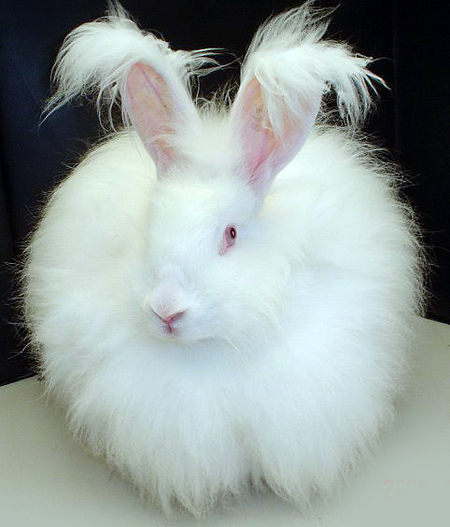
A medium fiber breed valued for high-quality, easy-to-spin wool. Unlike the English Angora it has a clean face and ears, making it lower-maintenance among the wool breeds.
ℹ️
Educational only. KinStation content is reviewed by licensed veterinarians but cannot replace an in-person exam. Always consult a licensed veterinarian or board-certified specialist for diagnosis, treatment, or any decision affecting your pet's health.
🩺 Need expert help with your french angora?
Connect with a specialist near you or ask a licensed vet — never substitute online guidance for hands-on care in an emergency.
From the minimum an animal needs to be kept humanely, up to the ideal setup. Bigger is almost always better — minimums are floors, not targets.
Photo coming soon
Minimum
Hutch + daily exercise run
Hutch 12 sq ft + 32 sq ft exercise run
Welfare floor: a rabbit must be able to take 3–4 consecutive hops, stand fully upright on its hind legs, and stretch flat. A hutch alone is never enough — pair it with several hours of daily run access. French Angora is a medium 3.5–4.5 kg wool breed — regular grooming, dry substrate; housing follows the standard rabbit welfare floor.
Photo coming soon
Recommended
X-pen with free-roam access
X-pen ~16 sq ft, free-roam most of the day
Exercise pen or rabbit-proofed room available most of the day, with hides at both ends, a hay station, dig/forage boxes, and a litter tray. Bonded pairs need proportionally more space.
Photo coming soon
Ideal
Free-roam house rabbit
Full room / free-roam, 24/7 access
Free-roam (like a house cat) with rabbit-proofed cabling, multiple hides, dig boxes, levels, and constant access to hay, water, and a litter area. Best welfare outcome and most natural behaviour.
Life & growth stages
How this animal changes through its life — each stage often has its own care, diet and space needs.
Photo coming soon
Newborn
Newborn mammals are nursed on their mother's milk. Many are born helpless — blind, deaf, and sparsely furred (altricial, as in dogs, cats, and rodents) — while others stand and follow within hours (precocial, as in hoofed livestock).
Photo coming soon
Juvenile
After weaning, juveniles grow quickly and become increasingly active, playful, and independent. Adult coat, proportions, and (in many species) the permanent teeth come in as they approach full size.
Photo coming soon
Adult
Adults reach full body size and sexual maturity, with the species' mature coat and build. Sexual dimorphism — differences in size, mane, horns, or markings — is pronounced in some mammals and subtle in others.
Senior
Senior animals show aging signs such as graying fur, reduced activity, and a greater need for veterinary monitoring of joints, teeth, and organ function. Lifespan and the onset of old age vary widely by species and size.
Color & pattern variants
Natural variants occur in the wild; selectively bred (man-made) variants were developed in captivity.
Keep in a roomy hutch or pen with solid flooring and managed bedding to keep wool clean, plus a run for exercise. Good ventilation and heat protection are essential because the dense coat traps heat. Raised resting boards help keep the body wool free of debris.
Diet
Unlimited grass hay as the staple, with leafy greens and measured pellets. Plenty of fiber helps move ingested wool through the gut and reduce wool-block risk; some keepers add enzyme treats. Constant fresh water. Keep the rabbit lean so it can self-groom and stay cool.
Behavior & temperament
A fiber (wool) breed and show/pet animal. Typically calm and easygoing. Its coat has a higher proportion of guard hair than the English Angora, giving wool that is somewhat easier to maintain and spin, and the clean face means less facial matting.
Health
Wool block (GI stasis from ingested fur) is the main concern, though somewhat lower-risk than the English type thanks to the guard-hair-rich coat that mats less and the clean face. Watch for matting, flystrike, overheating, and standard rabbit issues (dental, GI stasis). Vaccinate against myxomatosis and RHDV where available.
Tips, DIY & hacks
Groom about once or twice a week, increasing during moult; the coat can often be hand-plucked when 'blowing' since guard hairs loosen naturally. Harvest wool roughly every 90 days by shearing or plucking. Keep bedding tidy and the rabbit cool. A good entry breed for those wanting fiber without the intensive English-Angora grooming.