Savannas are tropical and subtropical grasslands with scattered trees and shrubs, shaped by a strong wet-and-dry seasonal rhythm and by fire and grazing. They support some of the planet's most famous large-mammal communities and vast seasonal migrations.
Geography
Savannas span large parts of sub-Saharan Africa (the iconic Serengeti and Sahel), the South American *cerrado* and *llanos*, northern Australia, and parts of India and Southeast Asia. They form a transitional belt between rainforest and desert, where rainfall is enough for grass but too seasonal for closed forest.
Climate
The defining feature is seasonality: a hot, rainy growing season followed by a long, warm dry season when grasses cure and fires sweep through. Temperatures are warm year-round; annual rainfall is moderate but concentrated. Fire and large grazers, not cold, keep the landscape open.
Flora & fauna
Drought- and fire-adapted grasses dominate, punctuated by acacias, baobabs, and other scattered trees. African savannas host elephants, lions, zebras, wildebeest, giraffes, antelope, and meerkats; other regions have their own grazers and predators. Many reptiles, ground birds, and small mammals — including pet species like fennec foxes and certain agamas from arid grasslands — occur here.
Conservation
Savannas face conversion to cropland and grazing, fragmentation by fences and roads, poaching, and altered fire regimes. Climate shifts and bush encroachment change the grass-tree balance. Conservation relies on national parks, wildlife corridors, community conservancies, anti-poaching work, and managed fire.
The fennec fox is the smallest fox, a desert specialist famous for its enormous heat-shedding ears. Although not globally threatened, it is heavily traded as an exotic pet, and its specialized needs plus tight legal restrictions make it unsuitable for most owners.
The serval is a long-legged, large-eared African wild cat prized for its spotted coat and extraordinary leaping and pouncing ability. It is a genuine exotic carnivore, not a house pet, and keeping one demands USDA/permit-level commitment, specialized space, and falls under strict and often prohibitive exotic-animal laws across much of the US.
The red-headed rock agama is a sun-loving, fast-moving African lizard whose dominant breeding males flush brilliant blue and orange-red. It is hardy and visually stunning but skittish and rarely tolerant of handling, making it a display animal.
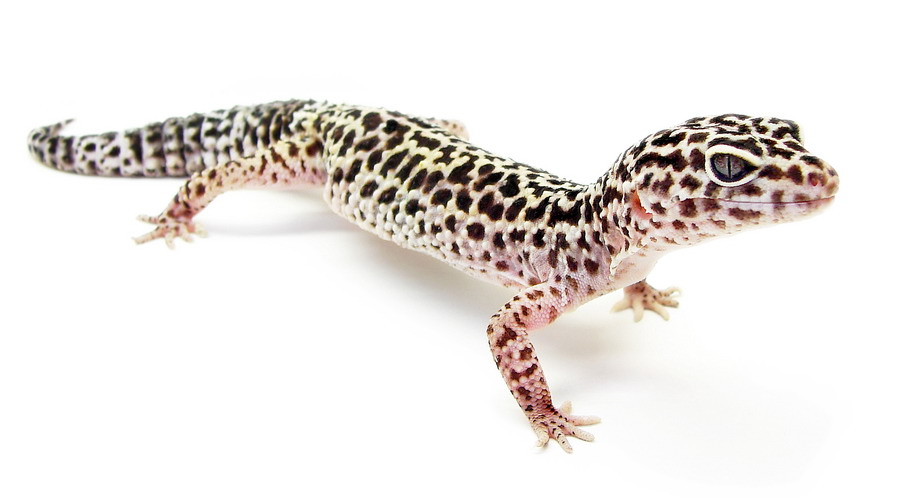
Leopard geckos are small ground-dwelling lizards from rocky scrublands of Central and South Asia. Their docile temperament and modest enclosure needs make them a popular intermediate reptile pet.
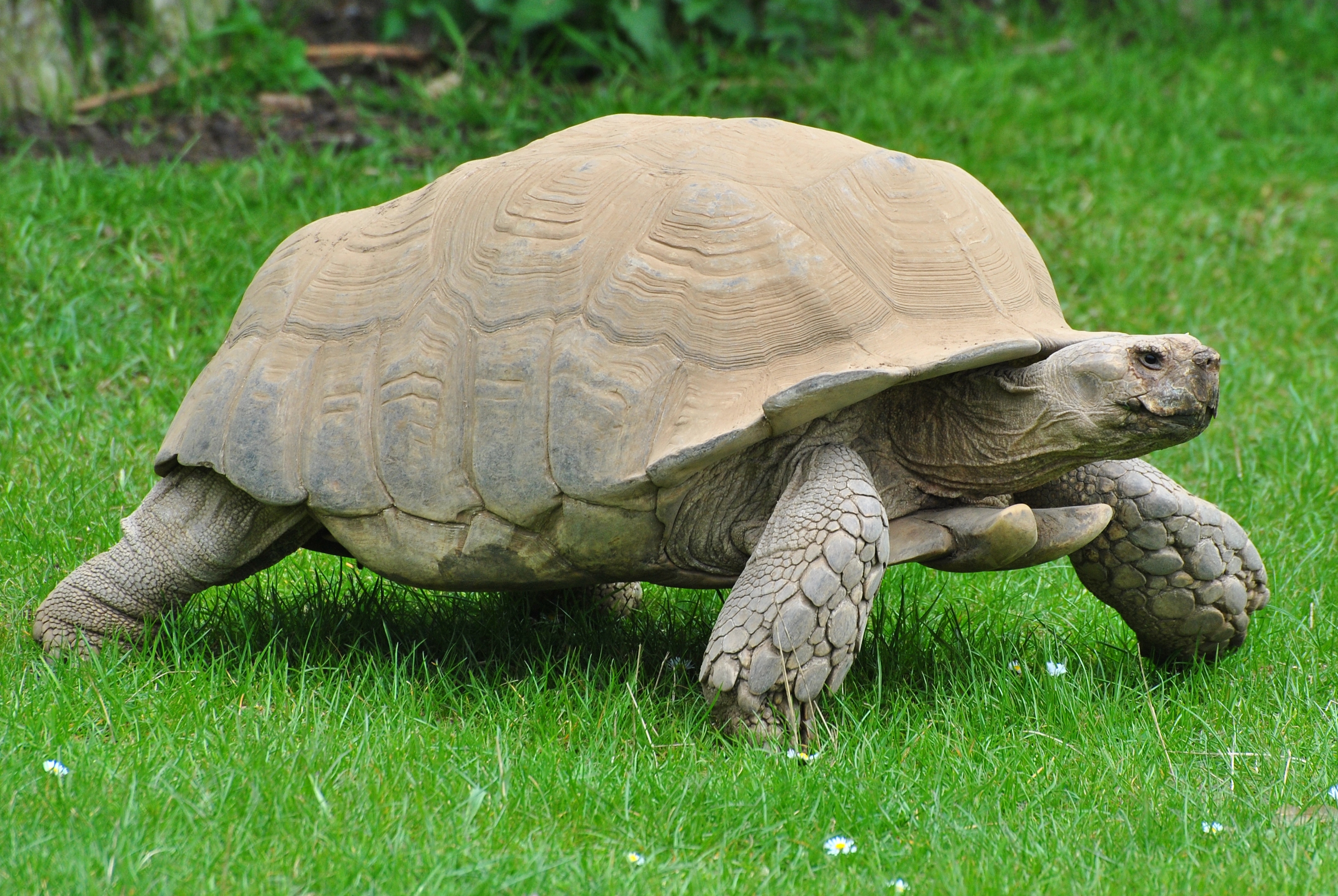
Sulcata tortoises are the third-largest tortoise species in the world, native to the Sahel region of Africa. Sold as small juveniles, they reach 70–100+ pounds and can outlive their original owners — they are widely surrendered when adults outgrow expectations.
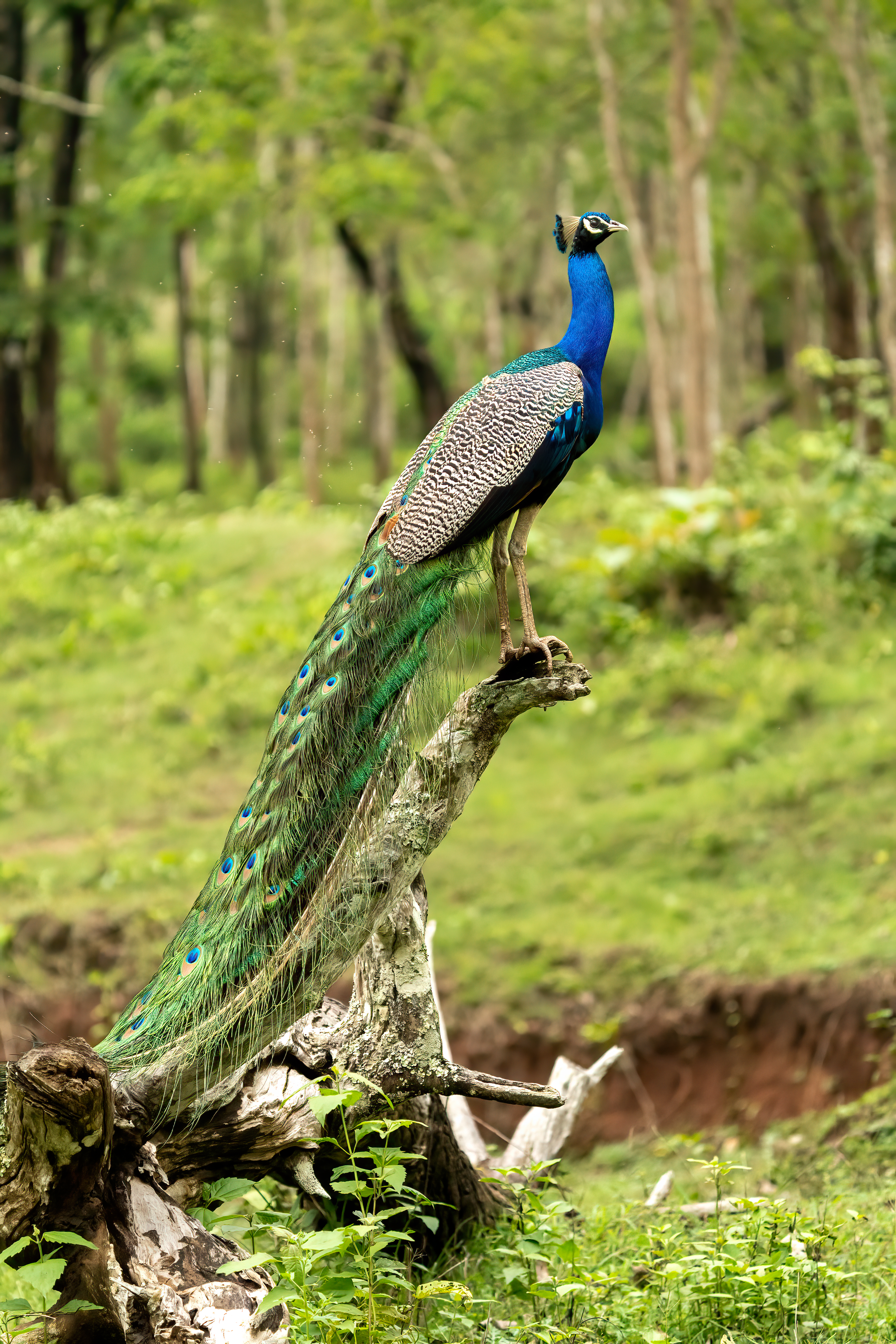
Spectacular ornamental gamebirds famed for the peacock's iridescent train, kept on acreage as living ornaments. Hardy and long-lived, but loud, far-ranging, strong-flying, and not suited to small or noise-sensitive properties.
Loud, semi-wild African gamebirds kept primarily as voracious tick and pest controllers and living alarm systems. Hardy and low-maintenance once grown, but flighty, noisy, and best free-ranged in cohesive flocks.
The African striped grass mouse is a strikingly pinstriped, diurnal murid prized as an active, watch-only display animal. Fast, alert, and social, it is a wonderful colony pet for keepers who appreciate observation over handling.