🐾 Land🐦 FlyingCare difficulty: BeginnerLegal complexity: Low
Easter Egger
Gallus gallus domesticus · also called Easter Egg Chicken, Rainbow Layer, EE
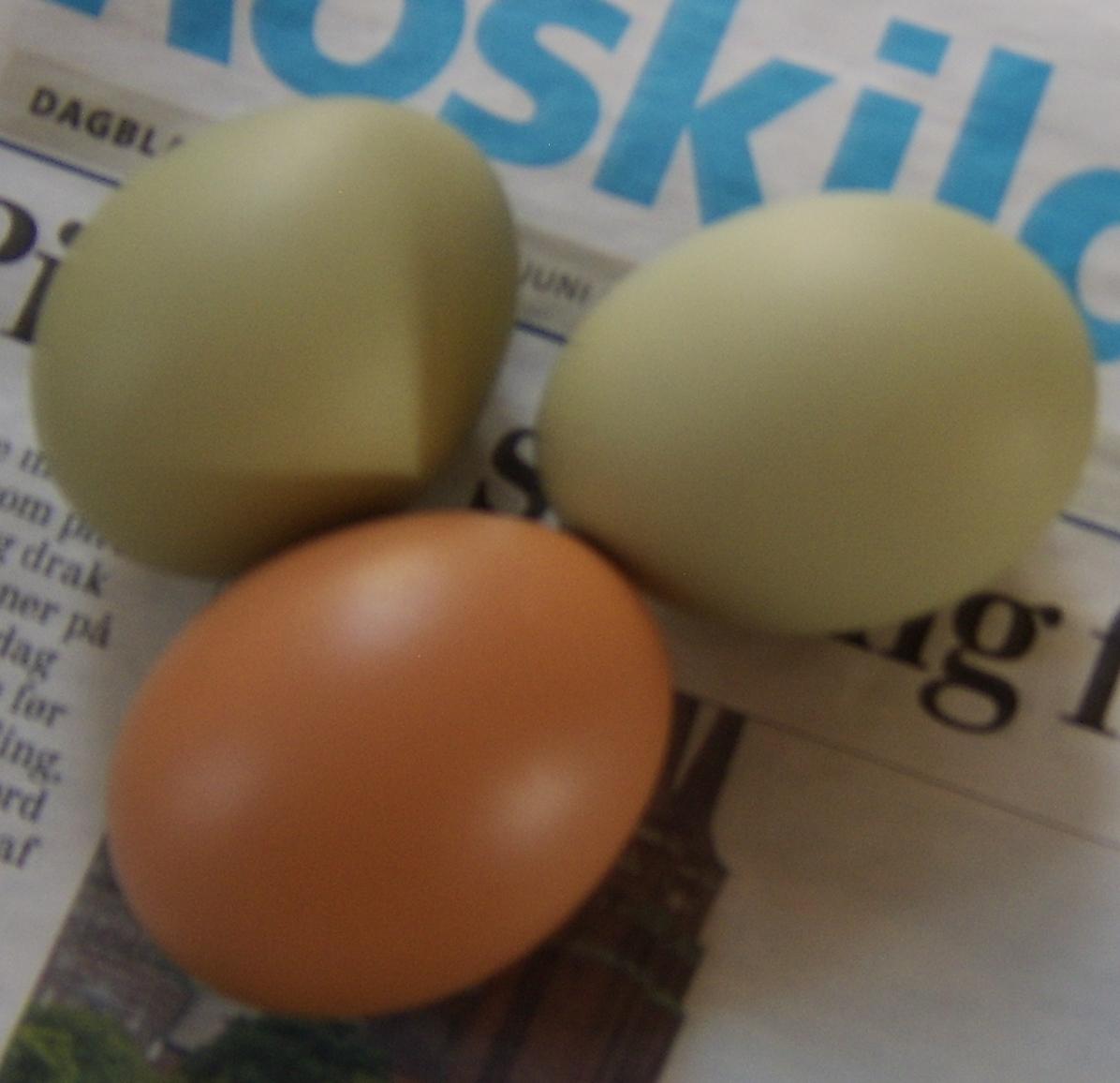
A popular hybrid mix (not a true breed) carrying the blue-egg gene, prized for laying eggs in a range of pastel colors. Hardy, friendly, and one of the easiest backyard layers for beginners.
Educational only. KinStation content is reviewed by licensed veterinarians but cannot replace an in-person exam. Always consult a licensed veterinarian or board-certified specialist for diagnosis, treatment, or any decision affecting your pet's health.
🩺 Need expert help with your easter egger?
Connect with a specialist near you or ask a licensed vet — never substitute online guidance for hands-on care in an emergency.
Quick facts
| Size | Standard: roosters ~2.7-3.2 kg (6-7 lb), hens ~1.8-2.5 kg (4-5.5 lb). Bantam Easter Eggers also common. Size varies because it is not a standardized breed. |
| Lifespan | 8–10 years |
| Social needs | group |
| Native region | United States |
| Family | Phasianidae |
| Genus | Gallus |
Part of the Chicken breeds
Recognized chicken breeds — selectively bred for type, purpose, and appearance.
Habitat & space requirements
From the minimum an animal needs to be kept humanely, up to the ideal setup. Bigger is almost always better — minimums are floors, not targets.
Life & growth stages
How this animal changes through its life — each stage often has its own care, diet and space needs.
Habitat & enclosure
Standard coop and run: about 0.3-0.4 m² (3-4 sq ft) coop floor per bird plus 0.9 m² (10 sq ft) of run. Generally hardy in heat and cold; pea-comb birds resist frostbite well. Provide roosts, nest boxes (one per 3-4 hens), good ventilation, and predator-proofing. Excellent foragers that thrive with free-range access.
Diet
Standard layer feed (~16-18% protein) with free-choice grit and oyster-shell calcium. Easter Eggers forage actively, so they make good use of pasture, kitchen greens, and bugs. Provide constant fresh water.
Behavior & temperament
Friendly, curious, docile, and often described as great family/kid birds; some are quite personable and pet-like. Egg purpose: productive layer of ~200-280 eggs/year in colors ranging from blue and green to pinkish and olive — each hen lays only one color. Rarely broody. Because they are crossbred, appearance (color, beard, muffs, comb) varies widely from bird to bird.
Health
Generally very healthy and vigorous thanks to hybrid vigor, with no breed-specific genetic problems. Standard poultry care applies: monitor for mites/lice, watch for worms, and ensure good comb is the pea-comb type that resists frostbite. No lethal genetics like the purebred Araucana.
Tips, DIY & hacks
Understand that 'Easter Egger' is a marketing term for a blue-gene crossbred, not an APA breed — do not expect to breed true or show them in standard classes. Egg color is fixed per hen and won't change over her life. A great gateway bird for new keepers wanting colorful eggs without the breeding complications of Araucanas or Ameraucanas.
Sources
- Easter Egger — Wikipedia (encyclopedia)
- The Livestock Conservancy — Chicken breed resources (reference)
- Wikipedia: Easter Egger (wiki)