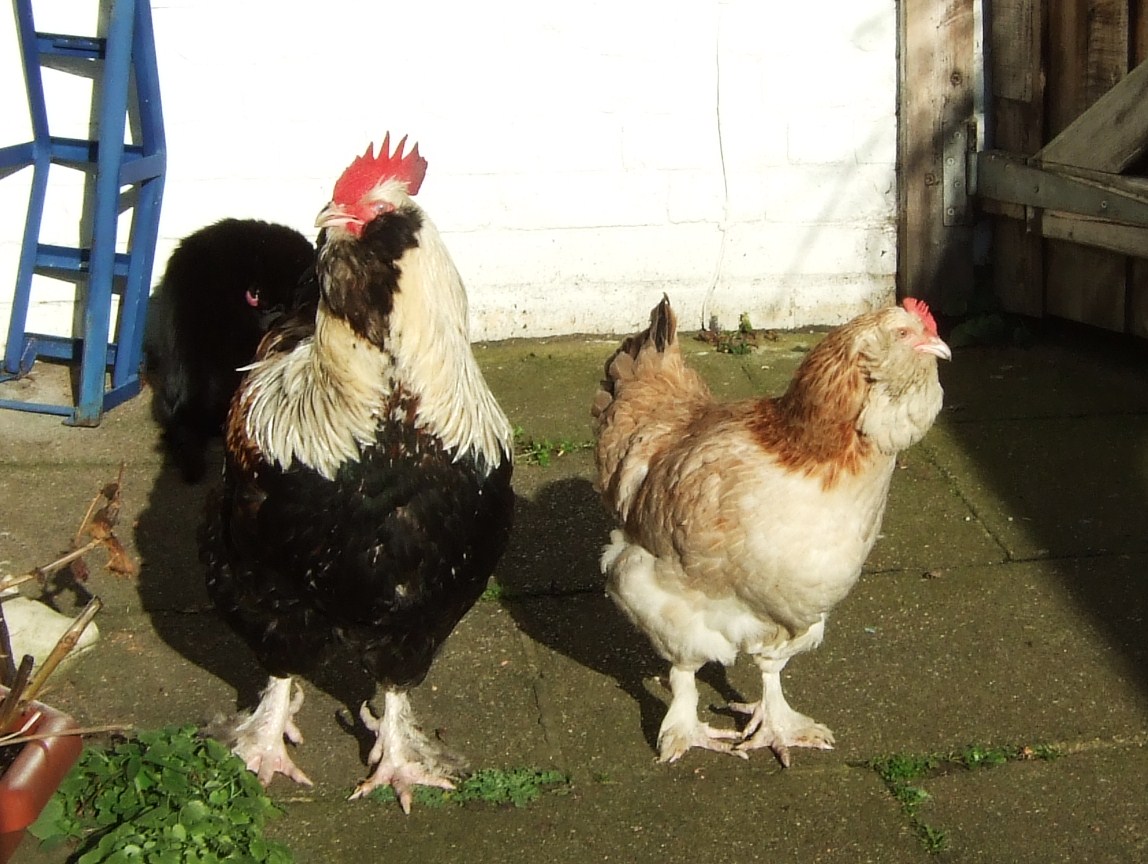
A gentle, fluffy French dual-purpose breed distinguished by feathered legs, five toes, a beard and muffs. Beloved for its docile temperament and good winter laying.
ℹ️
Educational only. KinStation content is reviewed by licensed veterinarians but cannot replace an in-person exam. Always consult a licensed veterinarian or board-certified specialist for diagnosis, treatment, or any decision affecting your pet's health.
🩺 Need expert help with your faverolles?
Connect with a specialist near you or ask a licensed vet — never substitute online guidance for hands-on care in an emergency.
From the minimum an animal needs to be kept humanely, up to the ideal setup. Bigger is almost always better — minimums are floors, not targets.
Photo coming soon
Minimum
Coop + run (per bird)
4 sq ft coop + 10 sq ft run / bird
Faverolles are heavy, feather-legged, five-toed dual-purpose birds that need a dry, predator-proof coop with at least 4 sq ft of floor and 10 sq ft of run per bird, plus 12 in of roost bar and one nest box per 3–4 hens. Provide deep dry litter (the foot feathering hates mud), grit, calcium, clean water nipples or a heated waterer in winter, and ¼-in hardware-cloth predator-proofing.
Photo coming soon
Recommended
Coop + spacious run
6 sq ft coop + 15 sq ft run / bird
A larger coop of 6 sq ft per bird and a covered 15+ sq ft per bird run reduces bullying (Faverolles are gentle and often picked on by lighter breeds) and keeps the leg feathering clean. Add a dust-bath, shaded perches, foraging hay piles, and a winter draught-proof roost — they tolerate cold well but hate damp.
Photo coming soon
Ideal
Pasture-rotated flock
10 sq ft coop + free-range / pasture
A roomy coop of 10 sq ft per bird plus daytime pasture rotation gives Faverolles room to forage, sun-bathe, and dust-bathe naturally. They are docile and slow, so flock them with similar-temperament breeds (Cochins, Brahmas) and provide overhead cover against hawks. Dual-purpose layers will give 3–4 cream eggs per week per hen on this welfare standard.
Life & growth stages
How this animal changes through its life — each stage often has its own care, diet and space needs.
Photo coming soon
Egg
Birds develop inside a hard-shelled egg incubated by the parent(s). Egg size, shell color, and clutch size vary by species; the embryo develops over days to weeks before hatching.
Photo coming soon
Hatchling / Chick
Hatchlings are either altricial — naked, blind, and dependent on parents (typical of parrots and songbirds) — or precocial — downy, mobile, and self-feeding soon after hatching (typical of poultry and waterfowl). Down gives way to the first feathers.
Photo coming soon
Juvenile / Fledgling
Fledglings grow in their juvenile plumage and begin to fly and feed themselves, though they may still beg from parents at first. Juvenile feathering is often duller than the adult and is replaced as the bird matures.
Adult
Adults attain full body size and mature plumage, and are capable of breeding. Many species show distinct adult coloration, and in sexually dimorphic birds males and females differ in plumage, size, or markings.
(c) D. N., some rights reserved (CC BY-NC) via iNaturalist — https://www.inaturalist.org/observations/312084723
Color & pattern variants
Natural variants occur in the wild; selectively bred (man-made) variants were developed in captivity.
House in a coop with 4 sq ft per bird and a run of 8-10+ sq ft per bird. Because they are feather-footed and bearded, keep bedding clean and dry to prevent mud-balls on foot feathers and to keep beards/muffs from caking; avoid persistently wet, muddy runs. They tolerate cold well but appreciate shelter from wet weather. Their docility means they are easily bullied, so avoid mixing with aggressive breeds.
Diet
Standard flock feeding: 18-20% starter, ~16% grower, and 16% layer ration with free-choice oyster shell and grit. They forage moderately but are calm rather than energetic foragers, so ensure adequate complete feed. Monitor body condition as the fluffy plumage can hide obesity.
Behavior & temperament
Dual-purpose, laying ~150-200 light-brown/tinted eggs per year, including reliably through winter. Famously sweet, calm, and people-friendly — often a child's favorite and prone to being a lap chicken. Hens go broody occasionally and are good mothers. Their gentleness places them low in mixed-flock pecking orders.
Health
Generally healthy. Feathered feet and the beard/muffs require monitoring for scaly-leg mite, mud accumulation, and matting around the eyes that can impair vision. Five-toed (polydactyl) feet are breed-standard and not a welfare concern. Because they are easily out-competed, watch for them being kept from feed/water in mixed flocks.
Tips, DIY & hacks
Keep with similarly calm breeds to prevent bullying. Trim or clean muffs if they obstruct vision and check foot feathers after wet weather. Their trusting nature makes them excellent for families and first-time keepers. Provide a low, accessible roost since the heavy, fluffy body makes them less agile fliers.