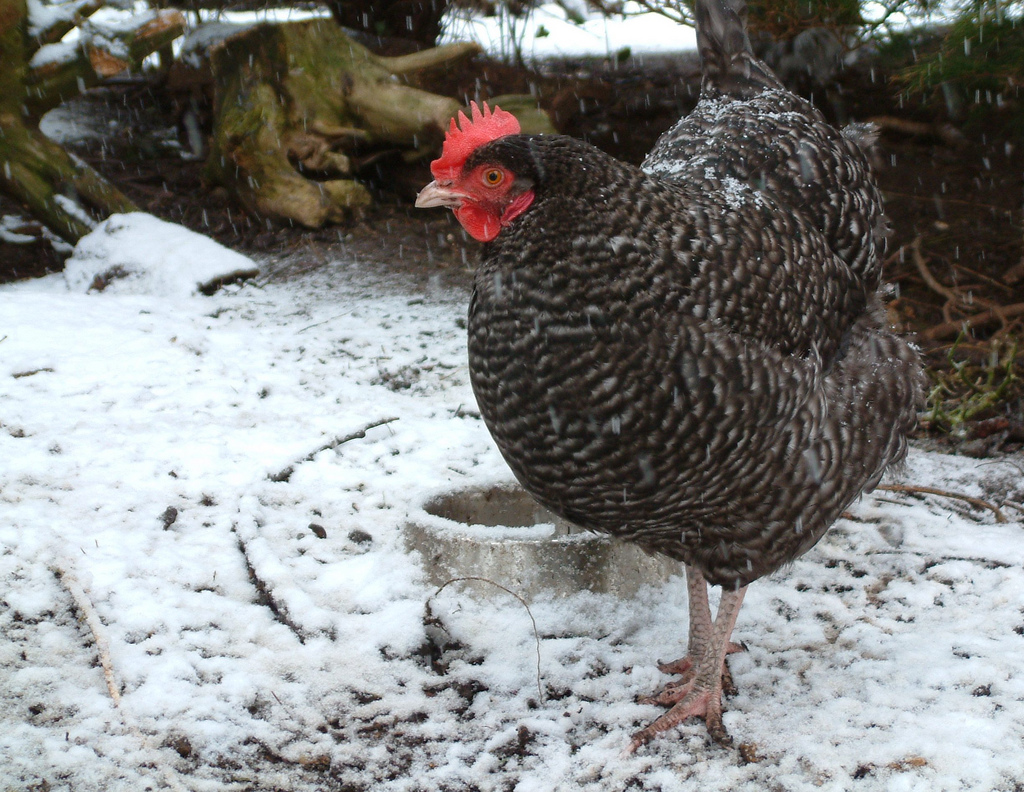
A hardy French dual-purpose breed celebrated above all for its exceptionally dark, chocolate-brown eggs. Calm, robust, and adaptable, Marans are a practical homestead bird that also draws keen exhibition interest over egg-colour depth.
ℹ️
Educational only. KinStation content is reviewed by licensed veterinarians but cannot replace an in-person exam. Always consult a licensed veterinarian or board-certified specialist for diagnosis, treatment, or any decision affecting your pet's health.
🩺 Need expert help with your marans?
Connect with a specialist near you or ask a licensed vet — never substitute online guidance for hands-on care in an emergency.
Dual-purpose heavy breed: cock ~3.5-4 kg (8 lb), hen ~2.6-3.2 kg (6-7 lb); bantam form exists. Robust, rectangular body; French type has lightly feathered legs,
Lifespan
6–8 years
Social needs
group
Native region
France
Family
Phasianidae
Genus
Gallus
Part of the Chicken breeds
Recognized chicken breeds — selectively bred for type, purpose, and appearance.
From the minimum an animal needs to be kept humanely, up to the ideal setup. Bigger is almost always better — minimums are floors, not targets.
Photo coming soon
Minimum
Coop + run (per bird)
4 sq ft coop + 10 sq ft run / bird
Marans are heavy dual-purpose French chickens famous for dark-chocolate eggs. A welfare minimum is 4 sq ft of coop and 10 sq ft of covered run per bird, with low roost bars (some strains have feathered legs), one nest box per 3–4 hens, grit, calcium, clean water, and predator-proof ¼ in hardware cloth.
Photo coming soon
Recommended
Coop + spacious run
6 sq ft coop + 15 sq ft run / bird
A 6 sq ft per bird coop with a 15+ sq ft per bird covered run lets Marans forage and dust-bathe without crowding. Provide deep dry litter (feathered-leg strains hate mud), a dust-bath, and a calm flock — Marans are docile and easily bullied by lighter breeds.
Photo coming soon
Ideal
Pasture-rotated heritage flock
8 sq ft coop + free-range / pasture
An 8 sq ft per bird coop with daytime rotated pasture is the welfare ideal for this French heritage breed. Provide overhead cover, a draught-free winter coop, and shaded forage — Marans lay 150–200 deep-brown eggs/yr and produce dual-purpose meat with excellent flavour.
Life & growth stages
How this animal changes through its life — each stage often has its own care, diet and space needs.
Photo coming soon
Egg
Birds develop inside a hard-shelled egg incubated by the parent(s). Egg size, shell color, and clutch size vary by species; the embryo develops over days to weeks before hatching.
Photo coming soon
Hatchling / Chick
Hatchlings are either altricial — naked, blind, and dependent on parents (typical of parrots and songbirds) — or precocial — downy, mobile, and self-feeding soon after hatching (typical of poultry and waterfowl). Down gives way to the first feathers.
Photo coming soon
Juvenile / Fledgling
Fledglings grow in their juvenile plumage and begin to fly and feed themselves, though they may still beg from parents at first. Juvenile feathering is often duller than the adult and is replaced as the bird matures.
Adult
Adults attain full body size and mature plumage, and are capable of breeding. Many species show distinct adult coloration, and in sexually dimorphic birds males and females differ in plumage, size, or markings.
(c) D. N., some rights reserved (CC BY-NC) via iNaturalist — https://www.inaturalist.org/observations/312084723
Color & pattern variants
Natural variants occur in the wild; selectively bred (man-made) variants were developed in captivity.
A standard coop with nest boxes and an outdoor run or free-range access suits them well; Marans are active, capable foragers that do well on pasture and convert range into eggs and meat efficiently. They are cold-hardy and reasonably heat-tolerant. The French (feather-legged) type needs dry footing to keep leg feathers clean and free of mud and scaly leg mite, while the clean-legged English type is more tolerant of wet ground. Provide standard perches and secure fencing.
Diet
Feed a complete layer ration (~16% protein) once in lay, with starter and grower feeds for growing birds, plus free-choice oyster shell and grit. They forage actively, so range and kitchen greens supplement the diet. Good nutrition supports egg-shell pigment, though the darkest eggs naturally come early in a hen's laying cycle and lighten over the season.
Behavior & temperament
Generally calm, quiet, and easy-going, though some strains (especially certain cocks) can be more active or assertive; well-handled birds are friendly and manageable. A genuine dual-purpose breed: hens lay roughly 150-200 very dark brown eggs a year and the heavy carcass makes good table meat. Broodiness is moderate and variable by strain. Their docility and self-reliant foraging make them a popular all-round backyard and smallholding choice.
Health
A robust, generally healthy breed with no signature genetic disorders. The main husbandry issue is the French type's feathered shanks, which predispose to mud-balling, scaly leg mite, and bumblefoot if kept on wet ground. As a heavier bird, watch body condition and provide sturdy low-stress roosting. Standard parasite (lice, mite, worm) and biosecurity vigilance applies.
Tips, DIY & hacks
If buying for egg colour, select from breeders who cull to a darkness scale and remember egg colour is darkest at the start of lay and after a moult, fading as the cycle goes on. Keep feather-legged birds on dry bedding and inspect shanks for mites and mud. Choose the clean-legged English type for muddy climates. Marans are forgiving for beginners; provide good range to make the most of their foraging.