Ricordea Yuma
Ricordea yuma · also called Yuma Mushroom, Pacific Ricordea, Ricordea Mushroom

Photo · CC BY-SA 4.0
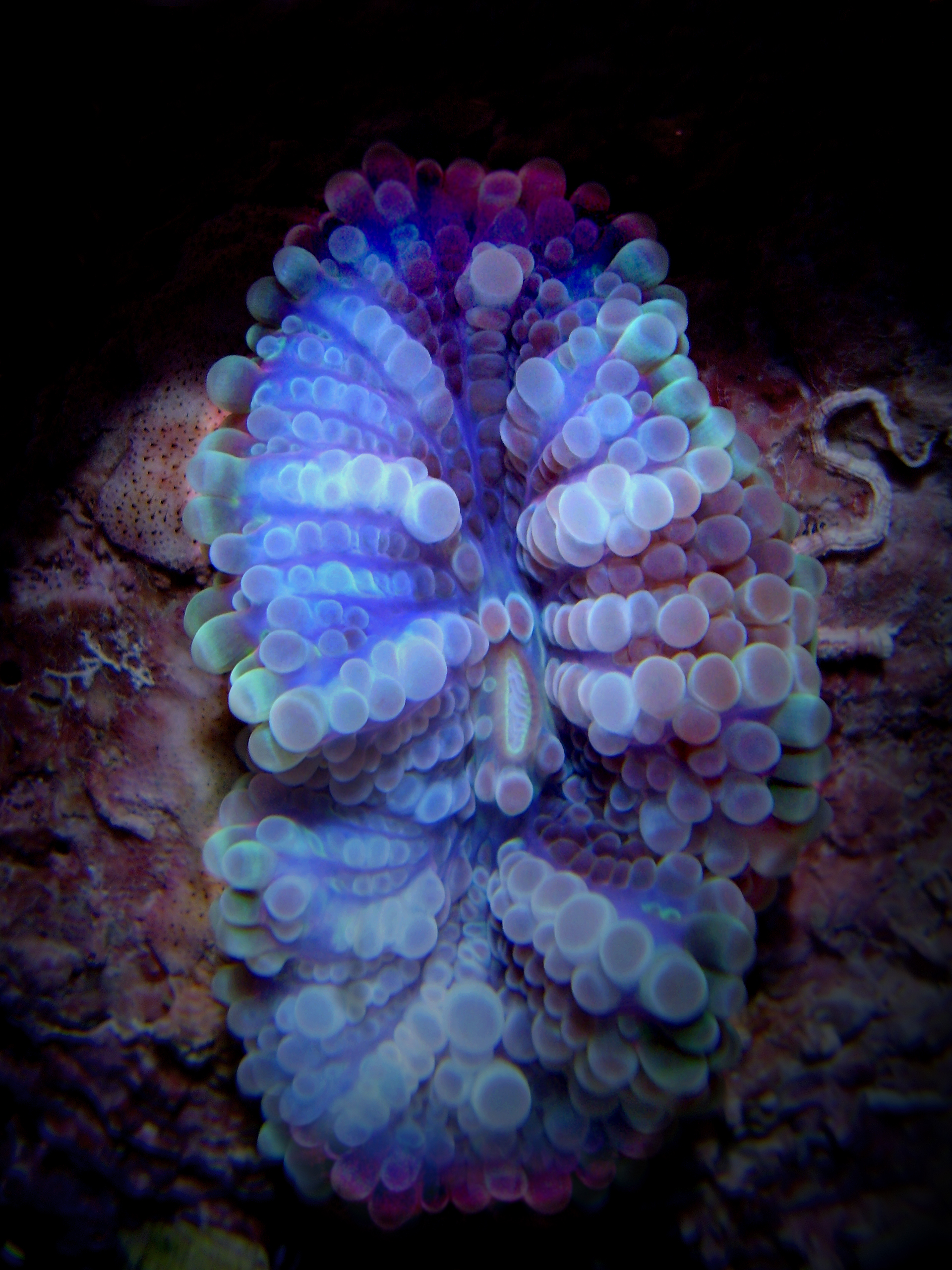
Ricordea yuma is the Pacific 'yuma' mushroom, covered in jewel-like fluorescent bubble vesicles and a contrasting mouth. More light-demanding and slower-growing than common mushrooms, it is a colorful intermediate-level corallimorph.
🩺 Need expert help with your ricordea yuma?
Connect with a specialist near you or ask a licensed vet — never substitute online guidance for hands-on care in an emergency.
Quick facts
| Size | Polyps 1-3 in (2.5-7.5 cm) across; spreads slowly compared to Discosoma/Rhodactis |
| Lifespan | 10–25 years |
| Social needs | group |
| Native region | Indo-Pacific reefs (Indonesia, Solomon Islands, Pacific) |
| Origin | Old World |
| Climate | 🌴 Tropical |
| Water type | 🌊 Marine |
| Family | Ricordeidae |
| Genus | Ricordea |
Part of the Mushroom Corals
Soft, disc-shaped corallimorphs (Rhodactis, Discosoma, Ricordea, and bounce morphs) that carpet rockwork in fluorescent colors. Hardy, low-light, low-flow, and among the best beginner reef invertebrates.
Habitat & space requirements
From the minimum an animal needs to be kept humanely, up to the ideal setup. Bigger is almost always better — minimums are floors, not targets.
Life & growth stages
How this animal changes through its life — each stage often has its own care, diet and space needs.

Color & pattern variants
Natural variants occur in the wild; selectively bred (man-made) variants were developed in captivity.
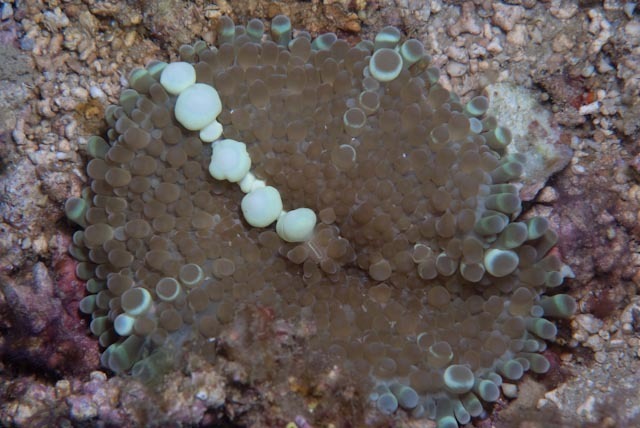 representative
Rainbow Yuma
Multicolor morph with red, orange, green and blue vesicles on a single polyp — one of the most prized and expensive mushrooms in the hobby.
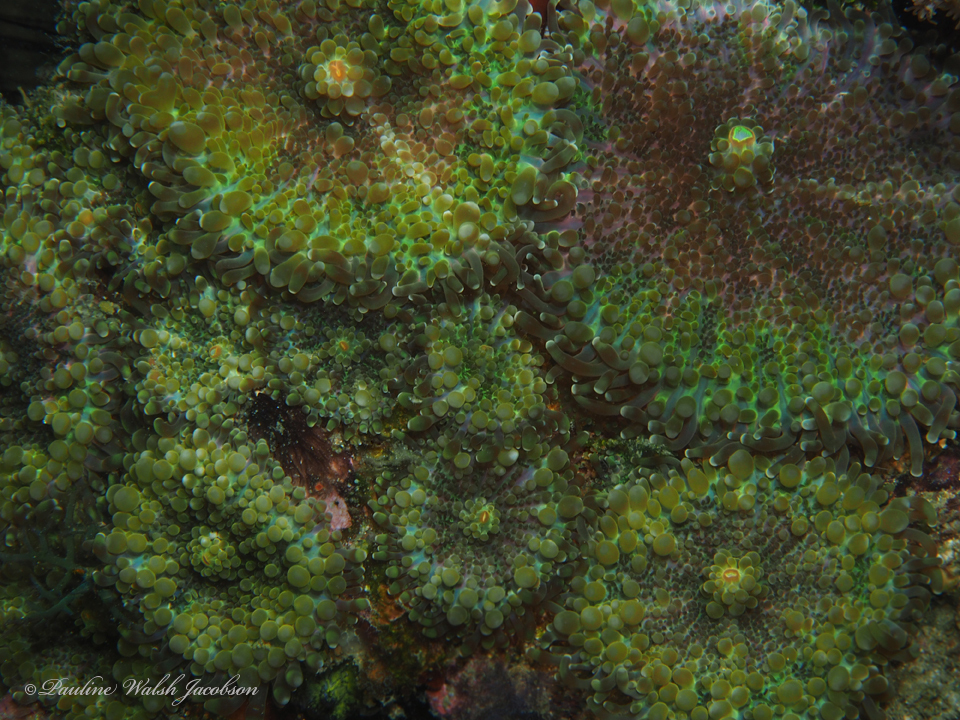 representative
Orange / Red
Solid warm-toned vesicles with a contrasting mouth; a classic, vivid yuma color form.
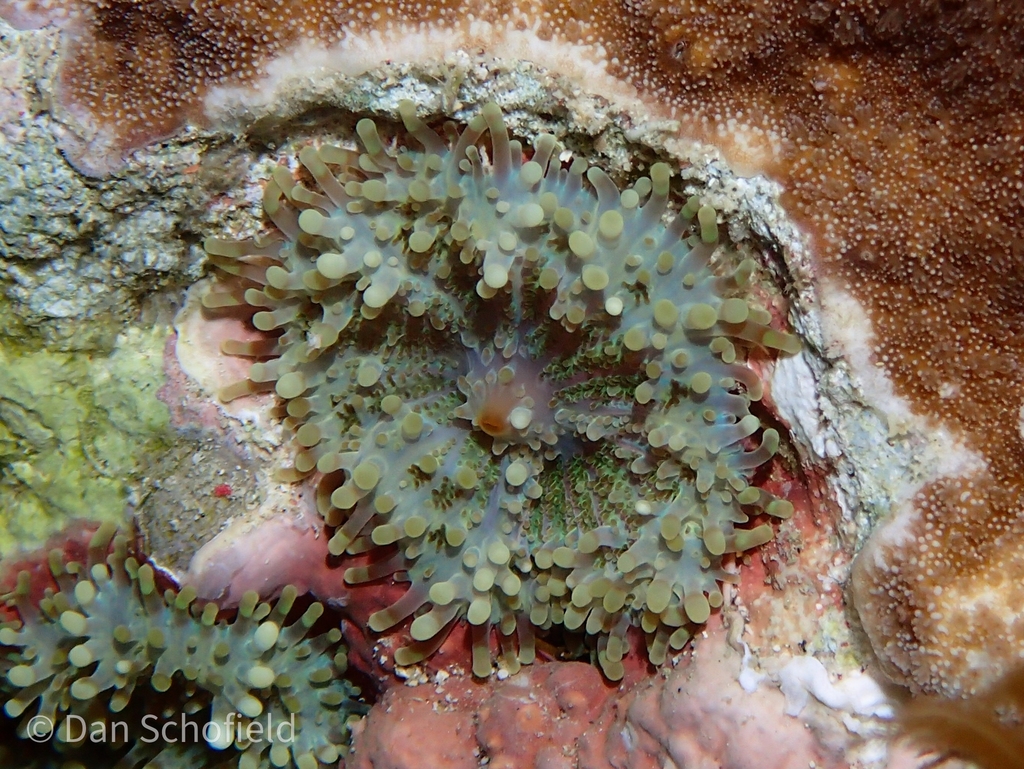 representative
Bean Bag Yuma →
A psychedelic striped yuma where the normally solid, bubbly vesicles each carry an erratic red-orange stripe or squiggle, giving a 'bean bag' patterned look. Young polyps emerge as plain orange yumas and only develop the signature striping as they mature.
Tip: Like all Ricordea yuma, this is best treated as an intermediate coral that needs stable water quality. Place it low in the tank under modest light (roughly under 100 PAR) with gentle flow so the vesicles inflate fully, and avoid moving it once settled. The striped pattern shows best on mature, well-fed polyps.
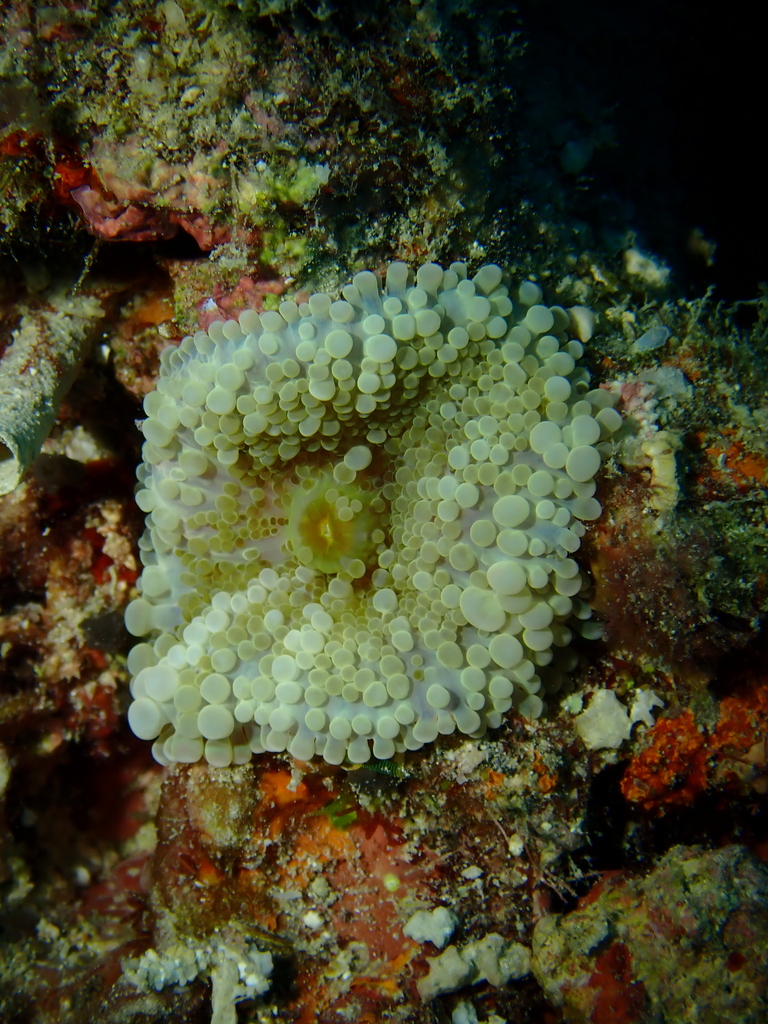 representative
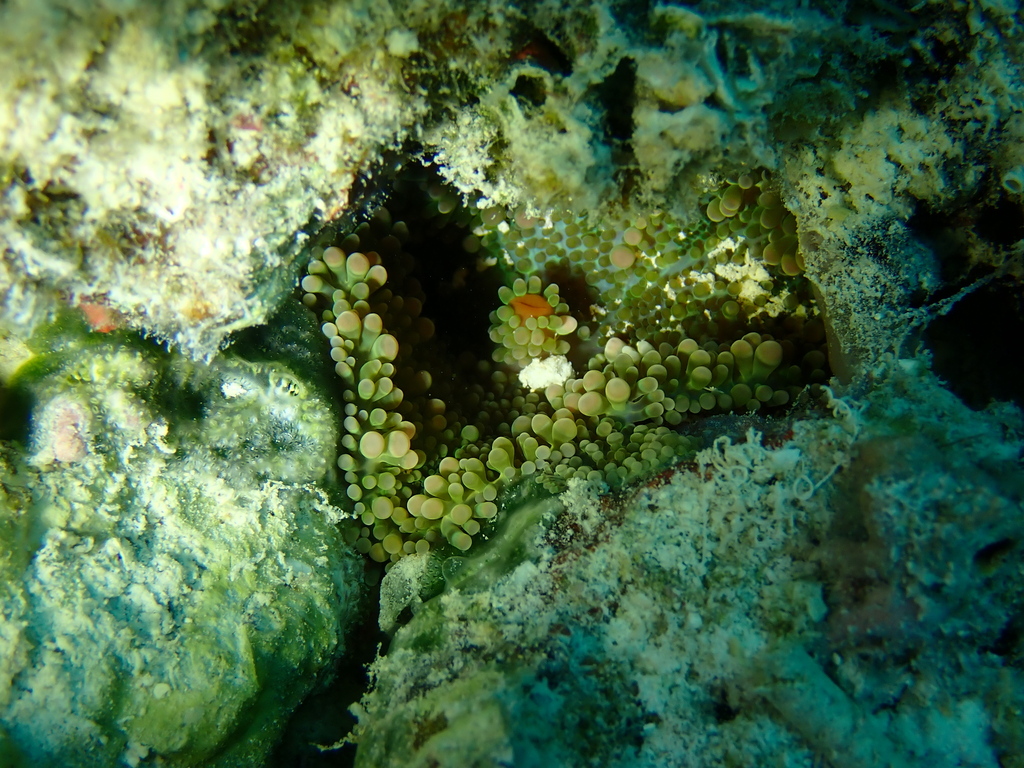
Frosted Nurple Yuma →
A bubbly yuma with frosted, pale-toned vesicles contrasting against a deeper colored body, the 'frosted' look giving it a soft pastel sheen.
Tip: Ricordea yuma is more sensitive than R. florida, so keep water quality stable. WWC recommends placing it low in the reef (under ~100 PAR) with low flow and target feeding roughly once a week to keep it plump and colored up.
 representative
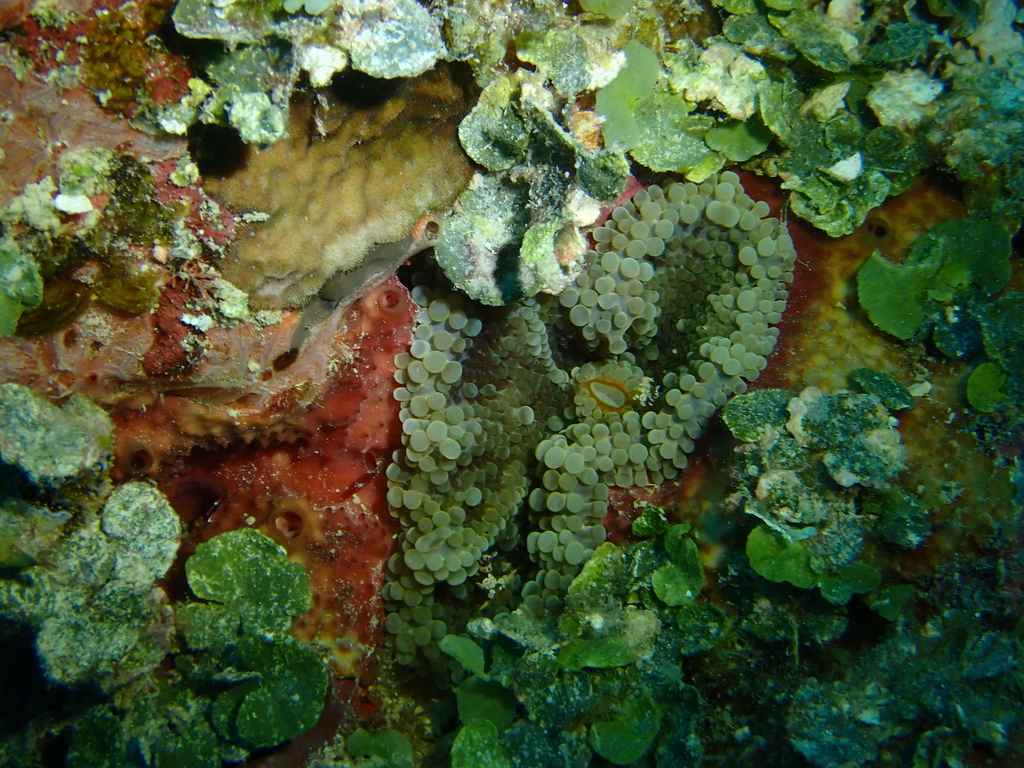
Melon Hunter Yuma →
A warm melon-and-green toned yuma with bubbly textured vesicles, named for its watermelon-like color blend.
Tip: Treat as an intermediate coral needing stable parameters. WWC advises placing it low on the rockwork or sand bed under low light (under ~100 PAR) with low flow; weekly target feeding helps it expand and intensify.
 representative
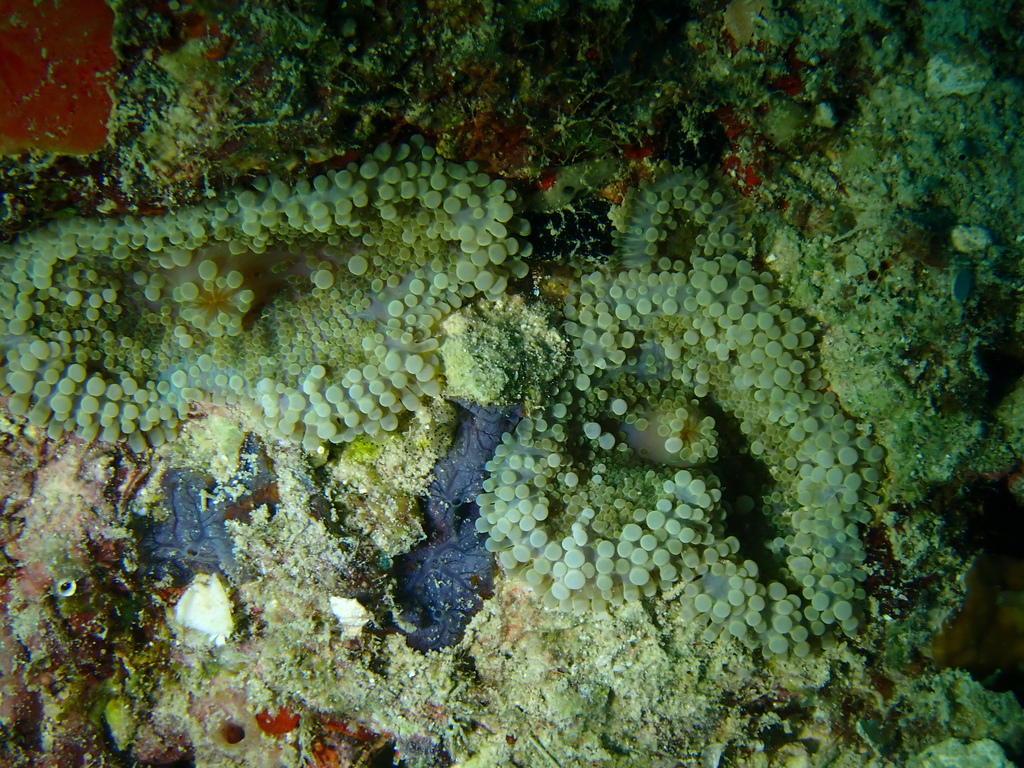
Watermelon Boba Tea Yuma →
An extremely bubbly yuma with green-and-pink watermelon tones and round, bubble-tea-like vesicles that inspired the name.
Tip: As a more sensitive Ricordea yuma, keep water quality steady. WWC recommends placing it low (under ~100 PAR) with low flow so the dense vesicles inflate, and target feeding about once a week; avoid high-flow spots that flatten the bubbles.
 representative
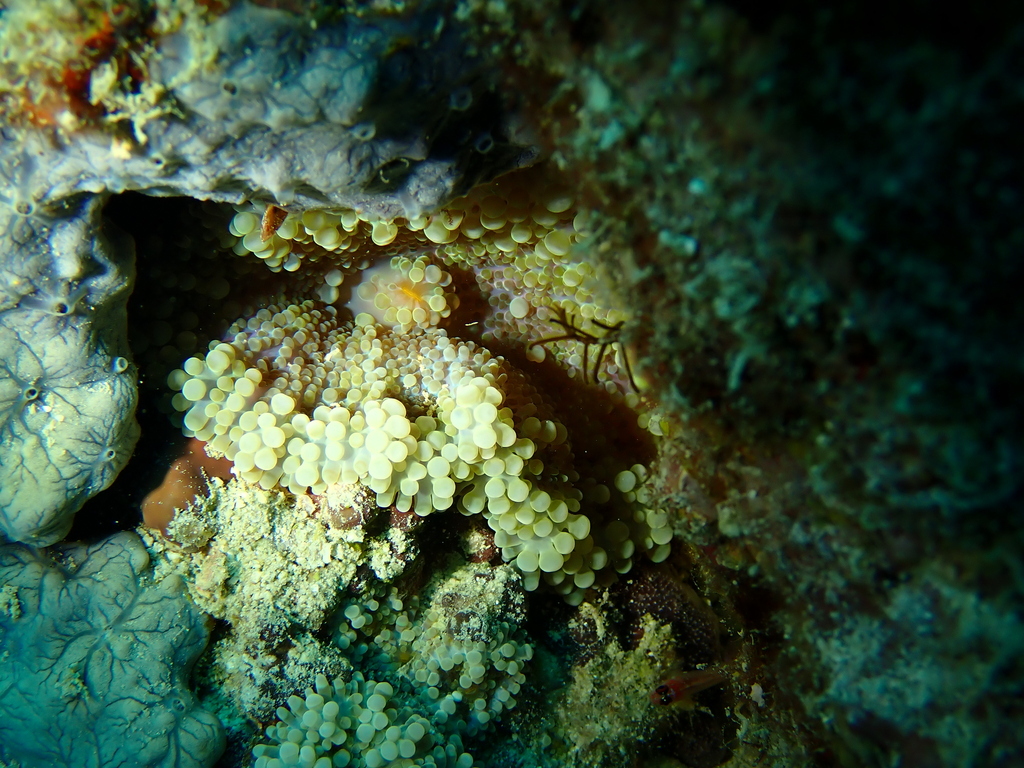
Blueberry Boba Tea Yuma →
An extremely bubbly yuma in cool blue-purple 'blueberry' tones, part of WWC's bubble-tea-themed line.
Tip: Ricordea yuma needs more stable conditions than R. florida. WWC recommends placing it low in the reef (under ~100 PAR) with low flow so the heavy vesicle structure stays fully inflated, with weekly target feeding.
 representative
Sun Scorched Yuma →
A fiery yuma in scorched orange, red and yellow tones, named for its sunbaked appearance.
Tip: Keep water quality stable as this is an intermediate-level coral. WWC advises placing it low with low flow and modest light (under ~100 PAR), and target feeding weekly to maintain the warm coloration.
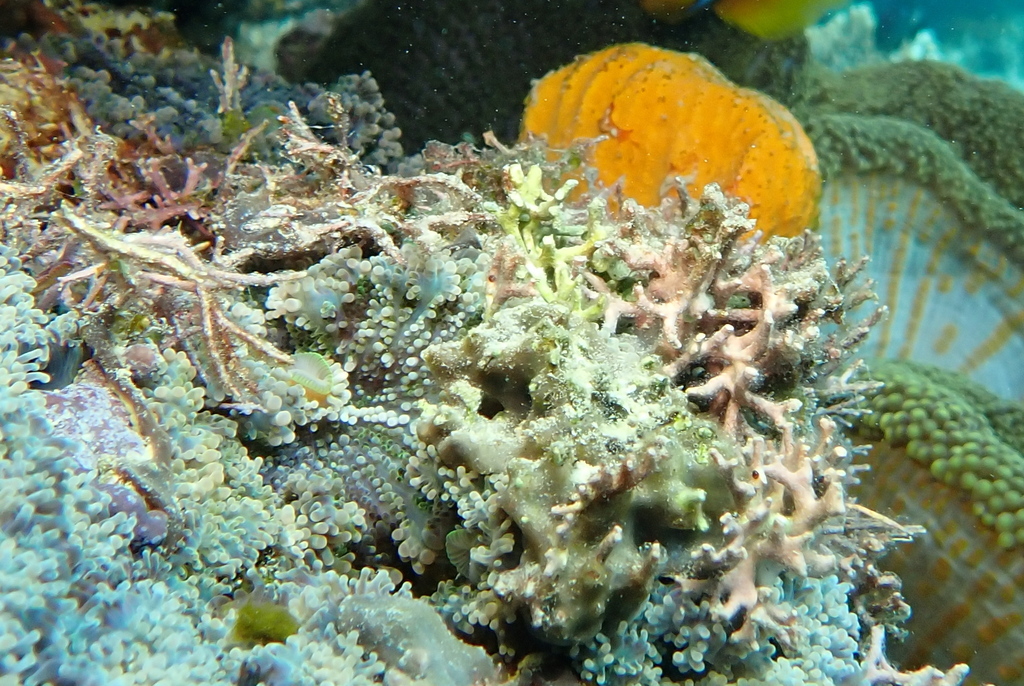 representative
Honeydew Yuma →
A soft green-yellow 'honeydew' melon toned yuma with the classic bubbly yuma vesicles.
Tip: As with all Ricordea yuma, aim for stable water parameters. WWC recommends keeping it low in the tank (under ~100 PAR) under gentle flow, with weekly feeding to keep it full and richly colored.
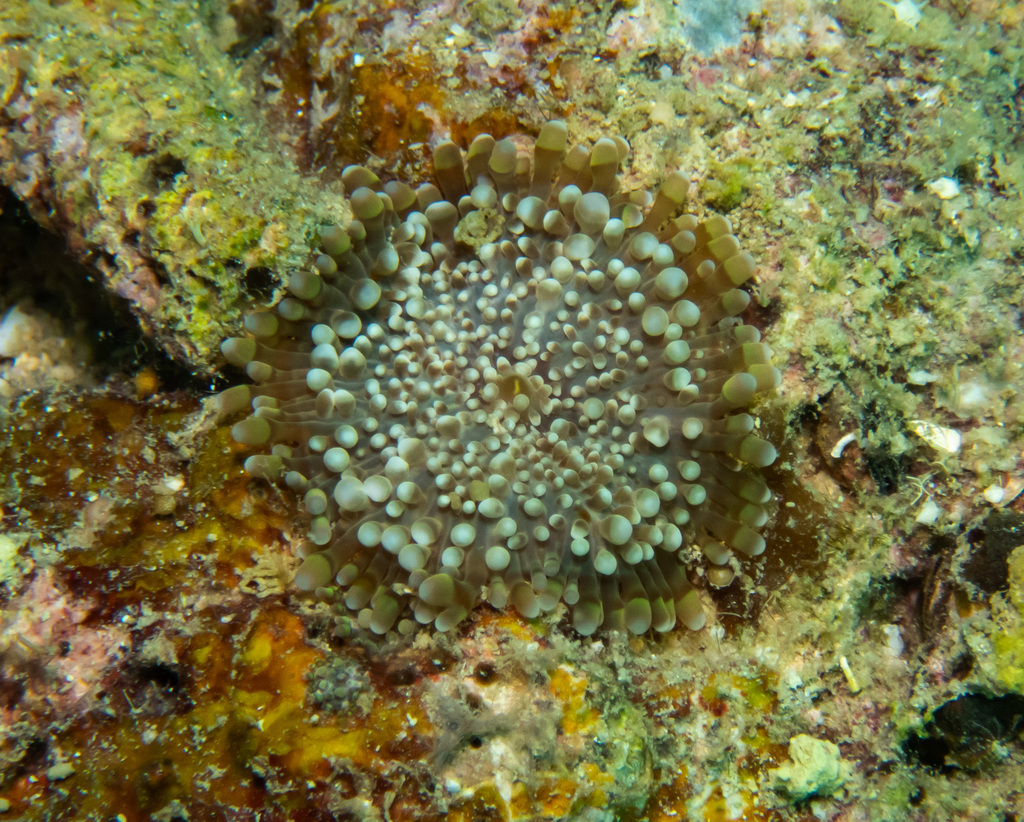 representative
Berry Boppin Yuma →
A berry-toned yuma blending pinks, purples and greens across its bubbly vesicles.
Tip: Treat as an intermediate coral that prefers steady water quality. WWC recommends placing it low in the reef with low flow (under ~100 PAR) and target feeding weekly to keep it plump.
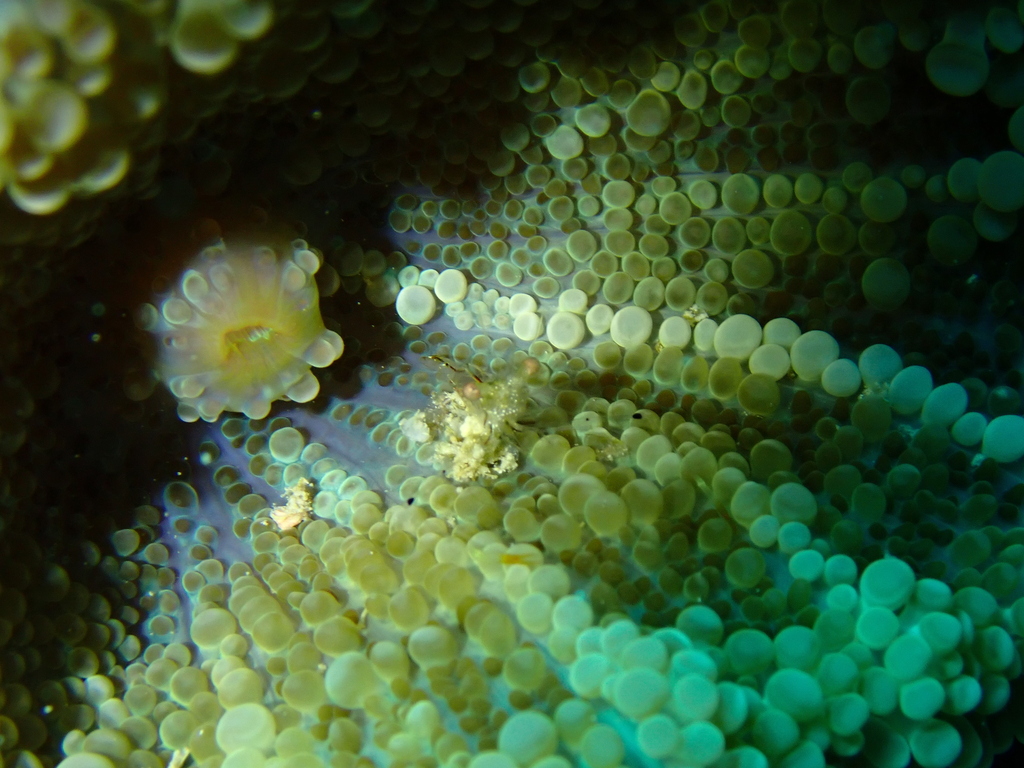 representative
Sunrise Yuma →
A graduated orange-to-yellow yuma evoking a sunrise, with bubbly textured vesicles.
Tip: Ricordea yuma is more demanding than R. florida; keep conditions stable. WWC recommends placing it low in the reef (under ~100 PAR) with low flow and target feeding about once per week.
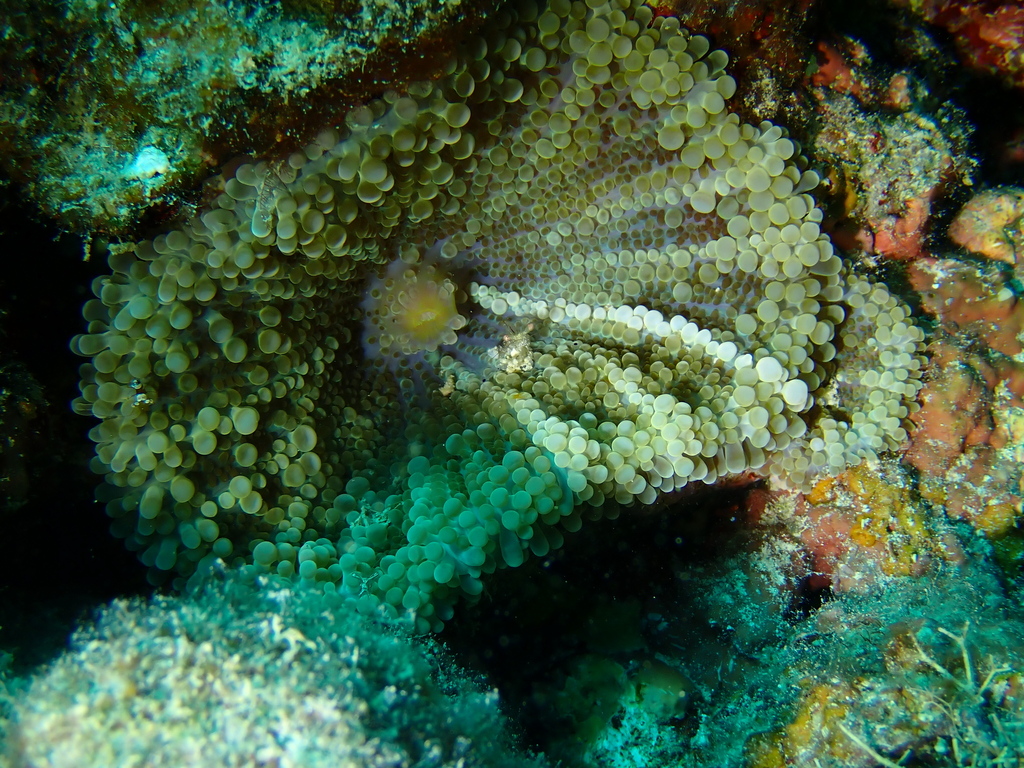 representative
Buried Treasure Yuma →
A large, multicolor yuma (specimens up to ~3.5 inches) with a treasure-chest mix of warm and cool tones across dense vesicles.
Tip: A larger yuma still needs the stable water quality this intermediate-level species demands. WWC advises giving it low-flow space low in the reef under modest light (under ~100 PAR) and feeding weekly to support the big polyp.
 representative
Golden Eclipse Yuma →
A golden-orange yuma with vibrant, textured vesicles that catch the light and sway in current.
Tip: While vendors market it as hardy, Ricordea yuma is generally an intermediate coral that is sensitive to poor water quality. Keep it low to moderate light with gentle flow and stable parameters; occasional feeding boosts coloration.
 representative
TRF Rainbow Yuma →
A multicolor rainbow yuma that shows predominantly blue and orange as juveniles and often develops red tips as it matures, so a colony of mothers and babies can look like two different mushrooms.
Tip: The Reef Farm rates this aquacultured line as very hardy and forgiving of higher nitrates (under ~50), but as a Ricordea yuma it still benefits from stable water quality. Place it low under low-to-moderate light with gentle flow.
 representative
Rainbow Yuma (Ultra Rainbow) →
The classic premium grade yuma displaying three, four or even five distinct colors across its body, mouth, inner rings, outer tentacles and skirt.
Tip: Place low in the tank under low-to-moderate light with gentle flow. As an intermediate Ricordea yuma it does best with stable parameters and detectable (rather than ultra-low) nitrate and phosphate, which help it stay plump and colorful.
Habitat & enclosure
Substrate
Equipment & setup
Diet
Behavior & temperament
Health
Tips, DIY & hacks
Sources
- A Guide To Aquarium Mushroom Corals - Quality Marine (retailer guide)
- Ricordea Mushroom Coral Care - Tidal Gardens (care guide)
- Wikipedia: Ricordea Yuma (wiki)